
Thermal runaway propagation poses a severe challenge in modern electric vehicle (EV) battery systems.
Isolating adjacent cells prevents catastrophic cascading fires.
To achieve high-voltage dielectric insulation and mechanical separation, packaging engineers rely on custom-engineered plastic spacers.
JUCHENG Injection Molding provides high-end contract manufacturing, converting complex 2D sketches and 3D CAD data into tight-tolerance structural parts.
We manufacture components to help automotive tier-1 brands scale up production securely.
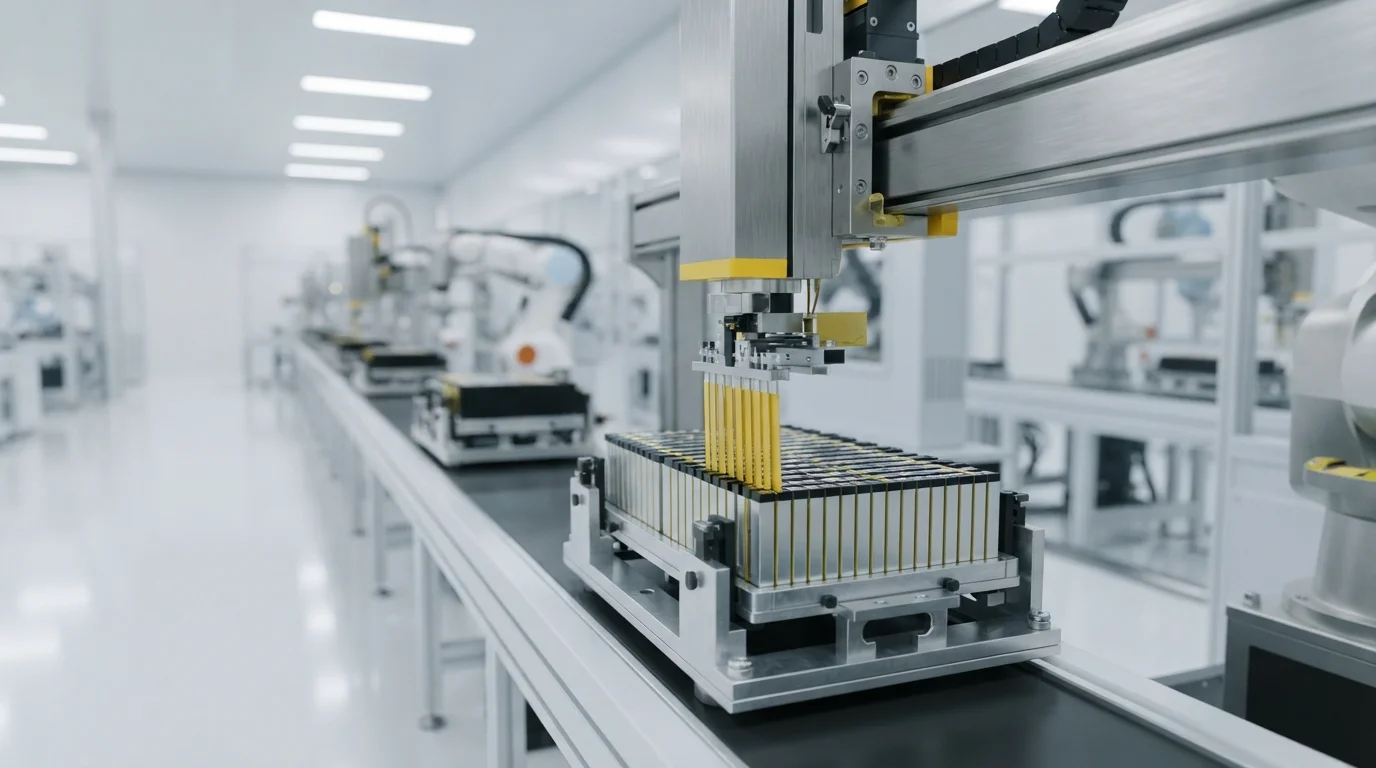
Table of Contents
The Role of Insulating Spacers in EV Thermal Runaway Mitigation
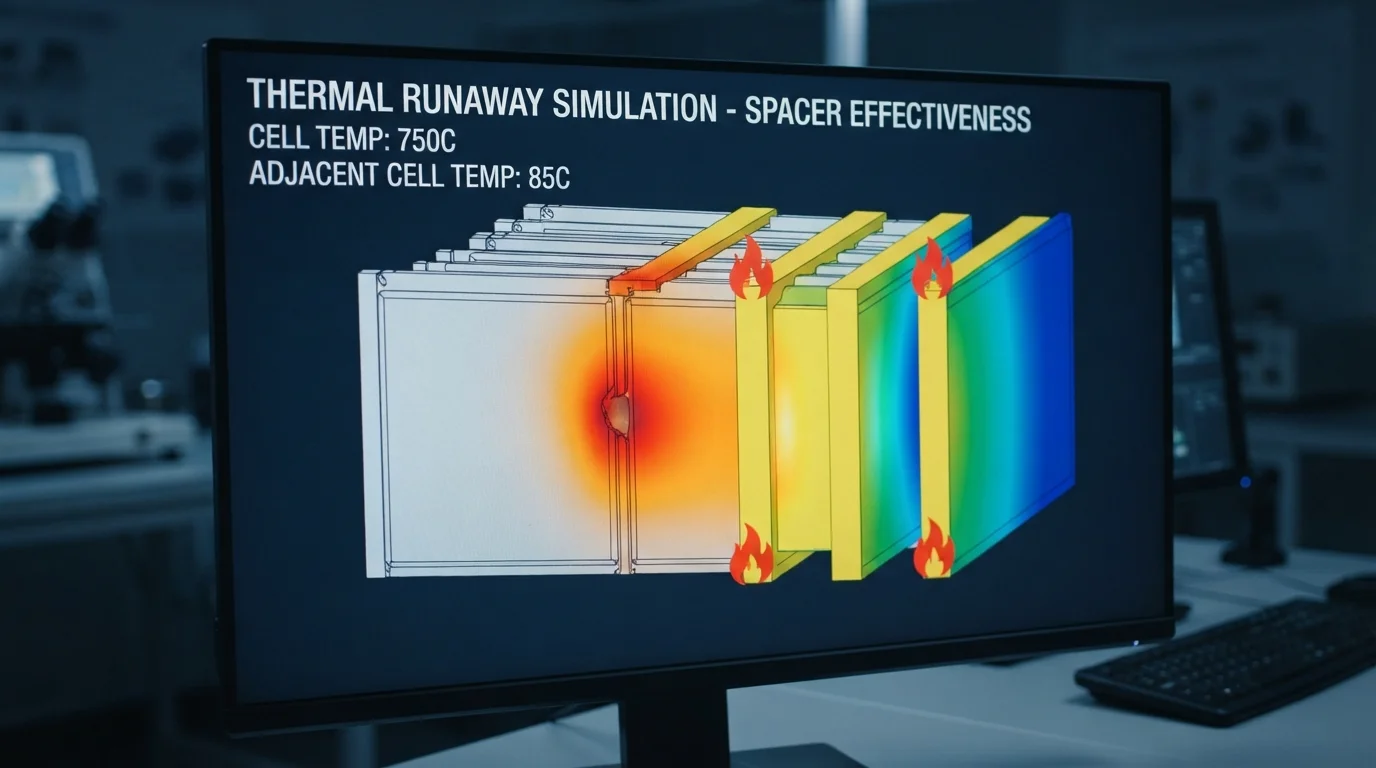
Designing robust electric vehicle battery spacers requires an understanding of polymer physical insulation properties.
Cell module assemblies experience dynamic swelling during continuous charging and discharging.
To absorb this expansion without breaking, custom-formulated electric vehicle battery spacers provide consistent mechanical pressure and high-voltage dielectric isolation.
Furthermore, physical isolation halts thermal runaway propagation, stopping heat from jumping from a failing cell to neighbors.
Key physical parameters for protective spacers include:
- Dielectric breakdown strength—Insulating materials must withstand thousands of volts of high-potential testing without failure.
- Thermal resistance—Polymers must retain structural stiffness at extreme local temperatures to support neighboring prismatic cell frames.
- Compressive elasticity—Elastic performance permits the spacers to absorb cell swelling, maintaining uniform compression forces.
- Chemical resistance—Resins must resist exposure to battery electrolyte chemicals without degrading over long lifespans.
Structural rigidity must also be balanced against weight targets to optimize vehicle driving range.
Replacing steel parts with lightweight plastic carriers simplifies module designs while maximizing functional space.
Using custom-molded elastomeric or structural polymer spacers prevents cell terminal strain during highway vibrations.
This physical isolation minimizes module packaging costs, allowing automotive teams to meet aggressive cost targets.
Ultra-Thin Wall Injection Molding Capabilities (≤1.0 mm)
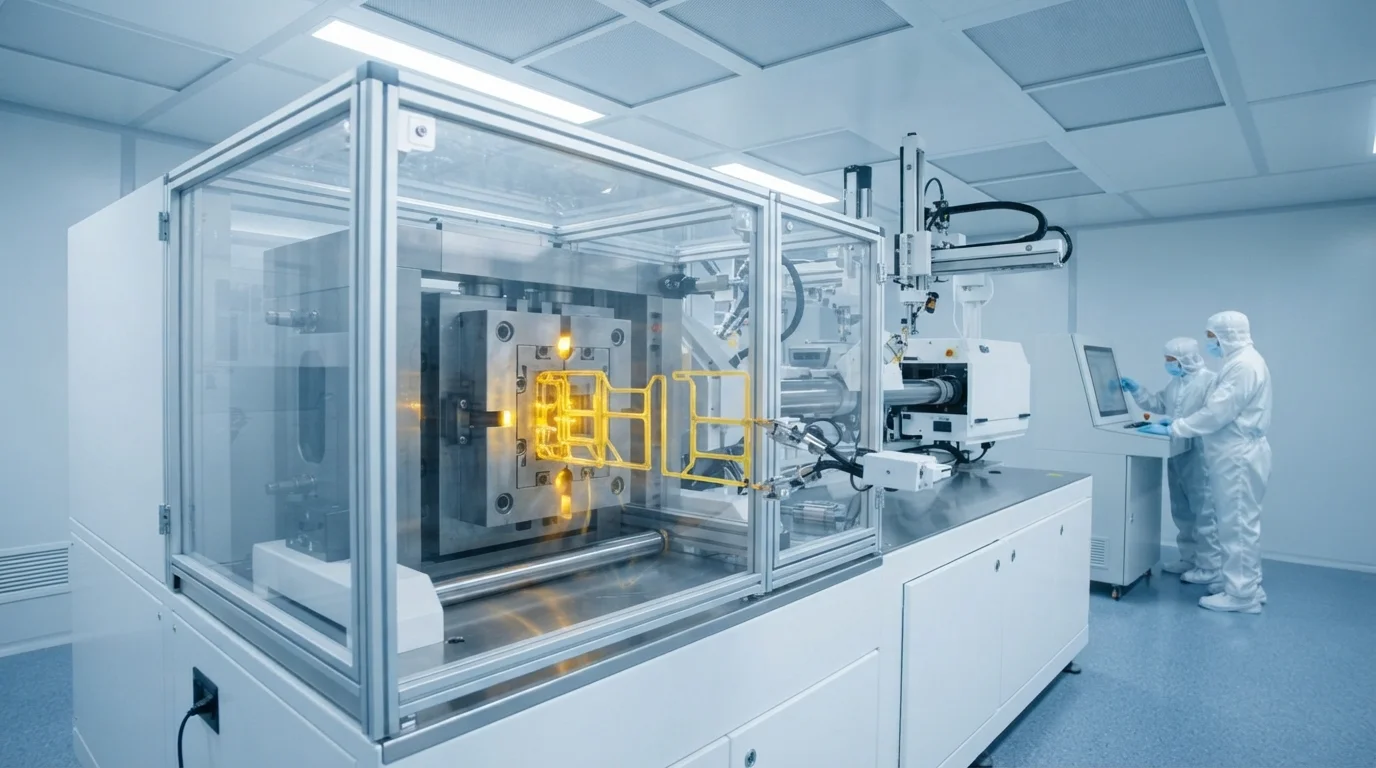
Injecting ultra-thin polymer components presents severe processing difficulties.
High-viscosity melt often solidifies before fully packing the mold cavity, resulting in partial parts or short shots.
To overcome this, JUCHENG utilizes high-speed, high-pressure injection molding machines with fast-response hydraulic systems.
Our machinery delivers precise melt pressure to pack thin-wall profiles under 1.0mm consistently.
Thin-walled electric vehicle battery spacers require precise mold venting to let trapped air escape.
Without proper venting, compressed air creates diesel-burning effects, leaving burn marks on the polymer.
Our tooling designers integrate micro-vents measuring 0.015mm to 0.02mm, ensuring clean parts without flash.
Such design steps secure high yield rates for massive volume automotive orders.
Optimizing our manufacturing sequence involves several critical steps:
- Flow velocity tuning—Adjusting injection speed profile parameters guarantees that the melt front fills micro-details concurrently.
- Tool surface heating—Utilizing dynamic mold temperature controls keeps the gates open and prevents premature solidification.
- Cavity pressure tracking—Monitoring real-time transducer data inside the tool detects partial fills instantly.
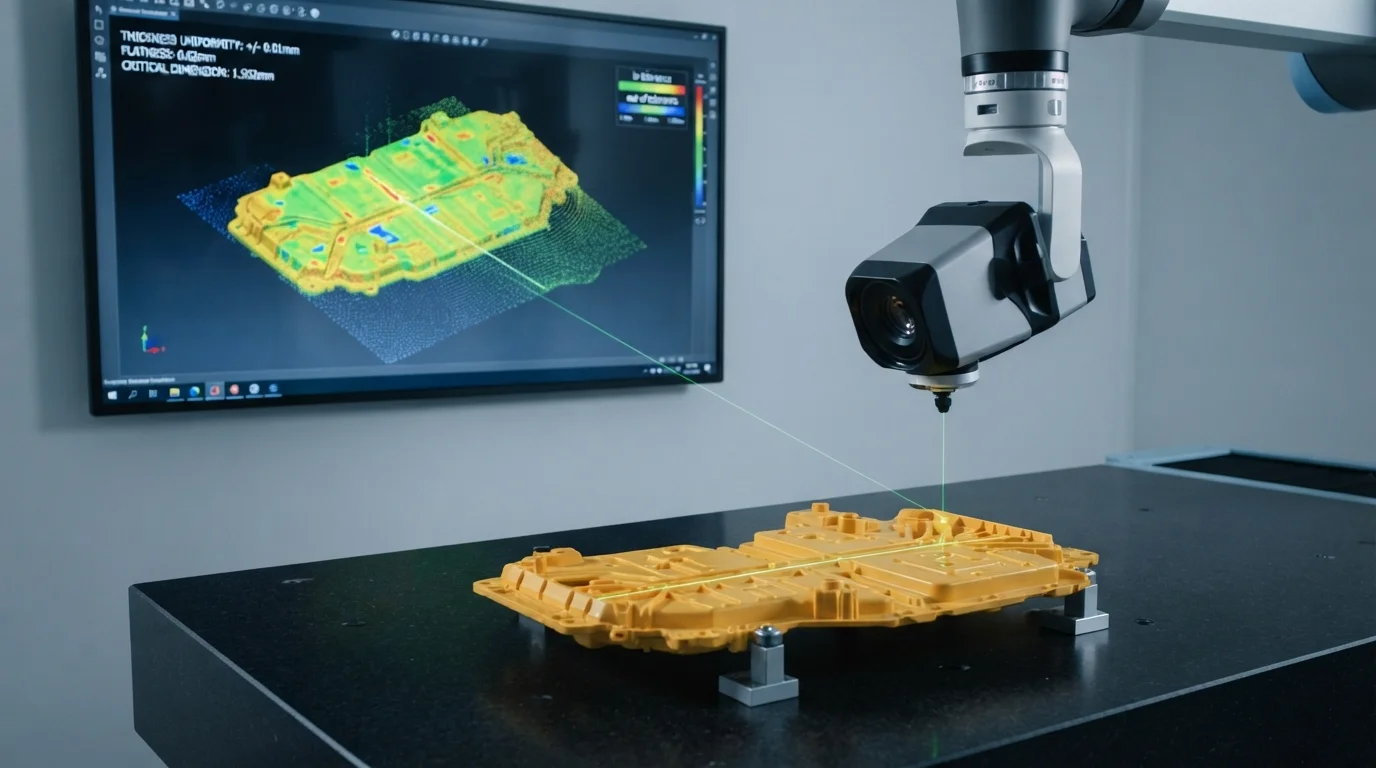
- Optical measurement verification—Employing laser scanners validates the physical thickness of every molded part.
Ultimately, these high-insulation electric vehicle battery spacers are critical internal components for stabilizing custom plastic battery housings for EV during rapid acceleration.
Our factory maintains strict quality tracking on every production lot.
By combining precision tooling with IATF 16949-certified quality systems, JUCHENG offers reliable manufacturing solutions.
Frequently Asked Questions (FAQ)
How do you manage short shots in ultra-thin spacers?
Short shot prevention requires optimizing melt and mold temperatures.
We use rapid heat-cycle molding to maintain mold core warmth during injection, permitting easy flow.
Additionally, using high-flow resin variants reduces injection resistance, allowing the melt to pack out tight-tolerance geometries.
What materials offer the best balance of thinness and flame retardancy?
Materials like flame-retardant PC/ABS or custom PBT blends offer excellent dielectric properties at 0.8mm wall thicknesses.
These resins maintain mechanical toughness while meeting standard UL94 V-0 criteria.
We carefully review materials during design to balance physical strength and regulatory compliance.
Can spacers be overmolded directly onto cell frames?
Dual-shot injection molding permits the hard frame and elastomeric spacers to be molded concurrently.
This is a robust solution that eliminates secondary assembly labor.
Our multi-material rotary presses bond elastomeric sealants directly onto glass-filled nylon carriers seamlessly.