
Selecting optimal engineering resins for metal-plastic hybrid components directly determines interfacial bond strength, creep resistance, and long-term joint durability. Metallic inserts composed of brass, copper, stainless steel, or aluminum exhibit thermal expansion behavior radically different from raw thermoplastics. Exposing mismatched hybrid assemblies to rapid temperature changes induces severe mechanical shear stress along the polymer-metal boundary.
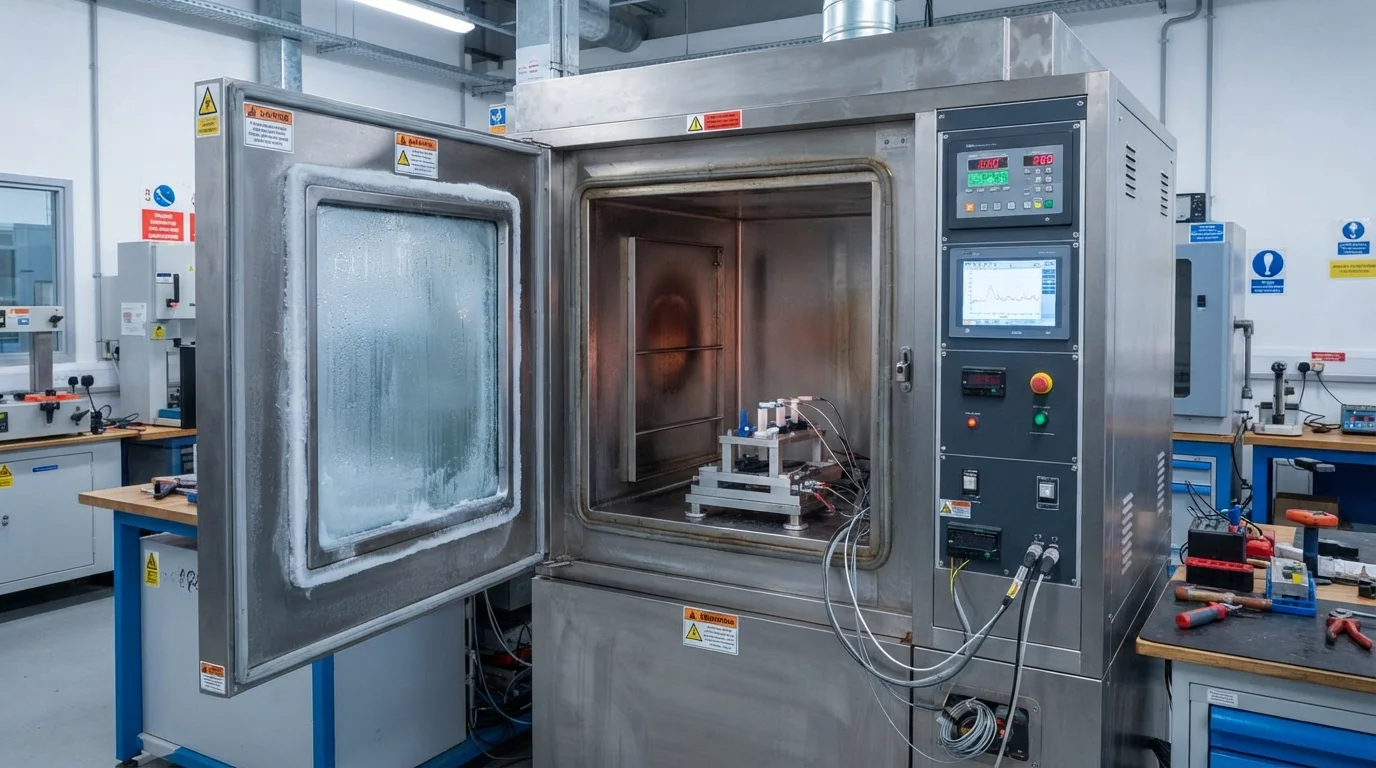
Thermal shock cycling can trigger micro-cracking in low-elongation plastics or cause interfacial delamination around metallic contact pins. This technical material guide reviews coefficient of thermal expansion (CTE) matching strategies, high-temperature resin processing, and raw material traceability protocols.
目錄
Matching Coefficient of Thermal Expansion (CTE) to Prevent Stress Cracking
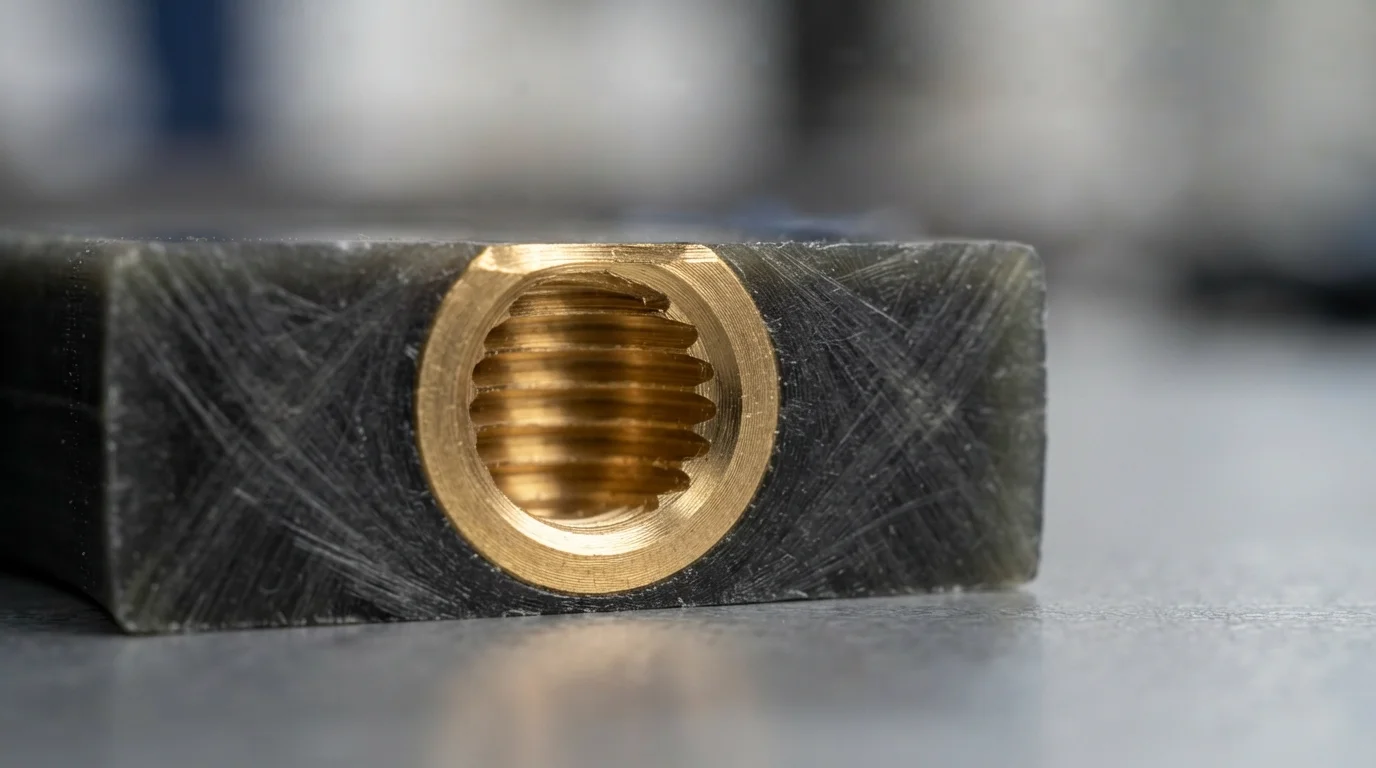
Selecting suitable insert molding materials requires matching the thermal expansion behavior of the polymer matrix with the embedded metal fastener. Metals expand and contract at 16.5 to 18.5 ppm/K, whereas unfilled engineering plastics expand at 60 to 100 ppm/K upon heating. Compounding base polymers with glass fibers aligns the resin CTE closer to metallic levels, drastically reducing differential thermal contraction.
Glass-reinforced grades like PA66-GF30, PBT, and PPS provide high modulus while limiting thermal expansion to 20-30 ppm/K. Evaluating physical insert molding materials prevents localized stress cracking around sharp metal corners under cyclic temperature testing.
| Material Grade | Material Family | Linear CTE (ppm/K) | Heat Deflection Temp (°C) | Insert Molding Suitability |
|---|---|---|---|---|
| Brass (C36000) | Copper Alloy Metal | 18.5 | N/A (Metallic) | Standard threaded fastener insert baseline |
| Zytel 70G33L (PA66-GF30) | Glass-Filled Polyamide | 25.0 | 240°C | Optimal CTE match with brass/copper busbars |
| Valox 420 (PBT-GF30) | Glass-Filled Polyester | 30.0 | 205°C | Excellent dimensional stability & electrical isolation |
| Victrex PEEK 450G | Polyetheretherketone | 45.0 | 160°C | High-temperature aerospace & clinical metal replacement |
High-Temperature Processing (Up to 420°C) for Metal Encapsulation
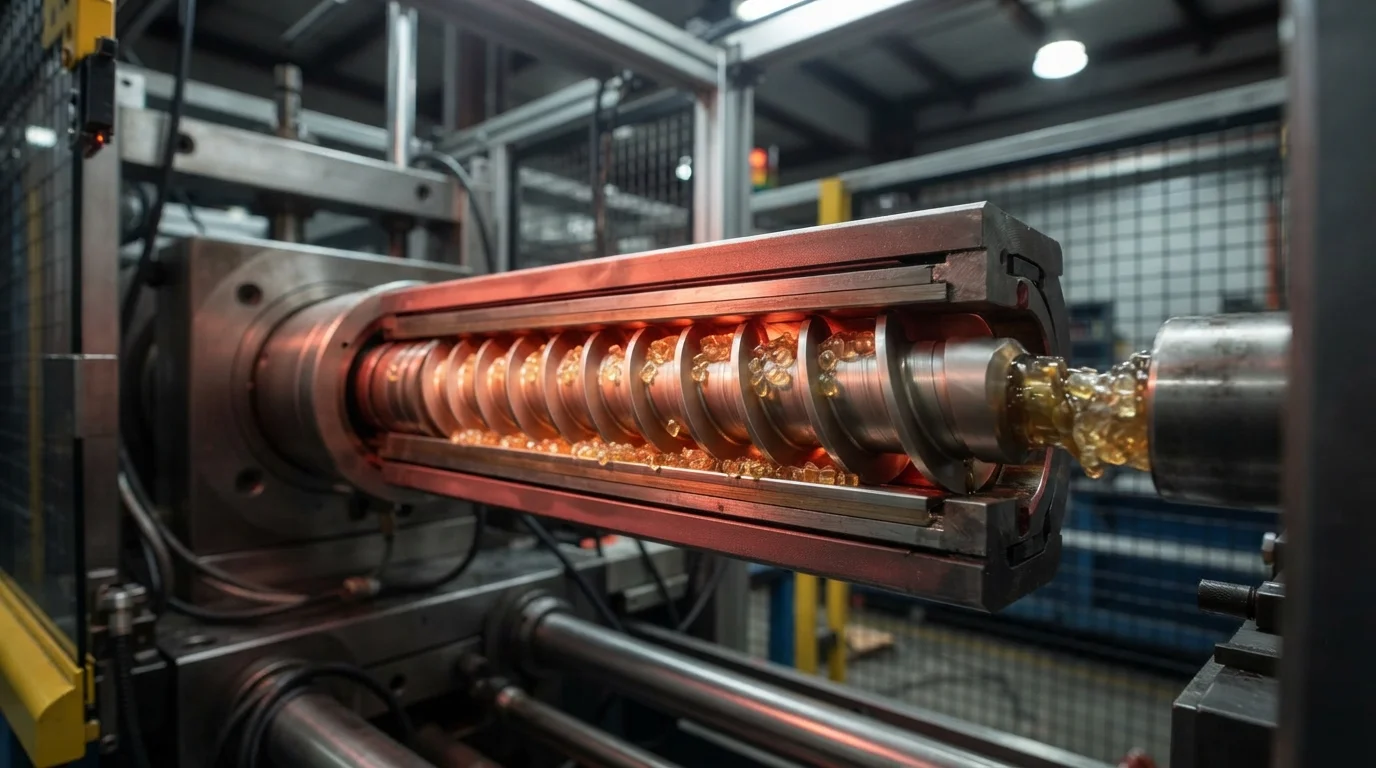
Extreme operating environments in automotive under-hood assemblies, aerospace connectors, and downhole sensors demand super-polymers. Specialized high-heat resins like PEEK, PEI (Ultem), LCP, and PSU/PPSU maintain dimensional stability and electrical insulation above 200°C.
Processing high-heat insert molding materials up to 420°C requires custom bimetallic barrels engineered to withstand high thermal loads and abrasive fillers. High mold temperatures held between 140°C and 180°C ensure complete polymer crystallization, maximizing chemical resistance against automotive fluids and solvents.
200+ Production Resin Library & Material Yellow Card Verification
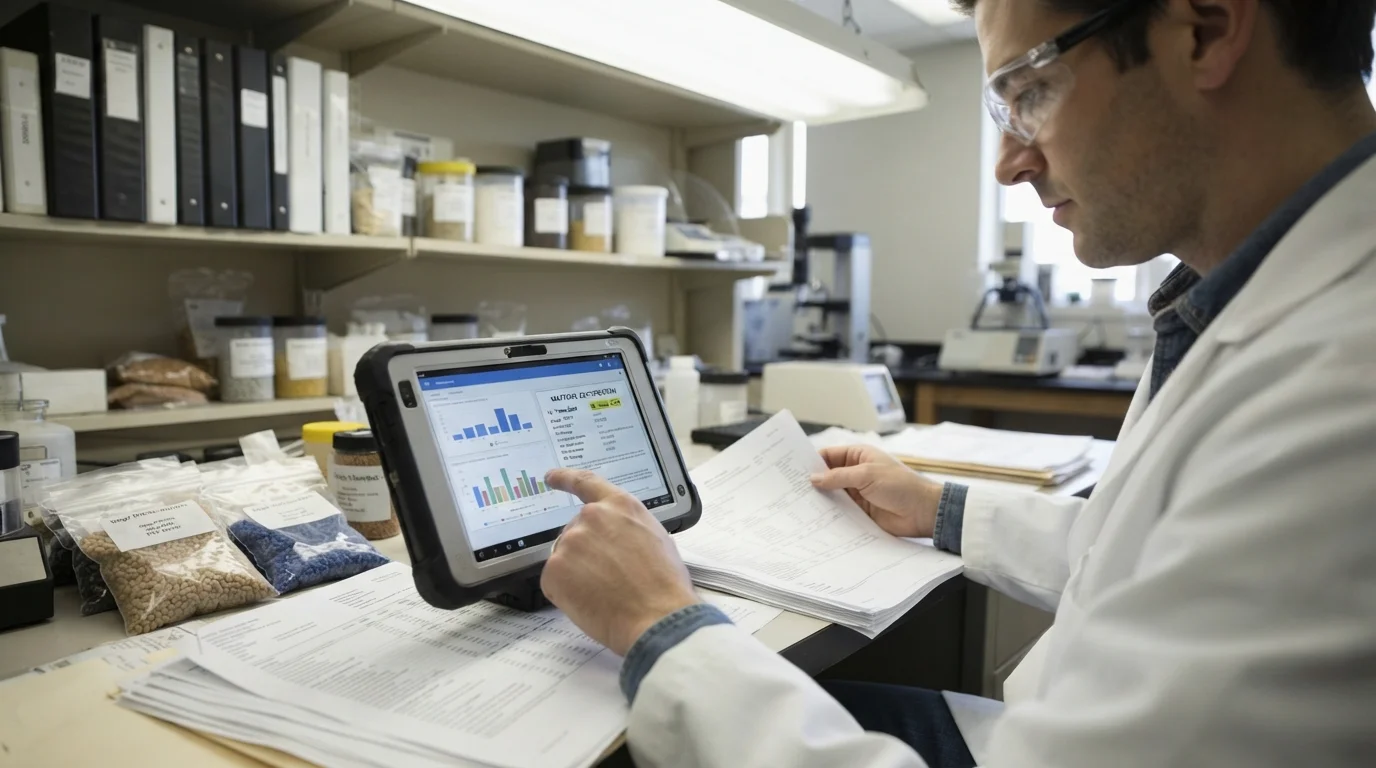
Encapsulating metal fasteners through custom insert molding relies on pure raw materials free from volatile contaminants. Verifying raw material shipments against Underwriters Laboratories (UL) Yellow Card records ensures compliance with UL94 V-0 flammability criteria.
Sourcing certified insert molding materials backed by UL Yellow Card documentation prevents lot-to-lot performance variations in high-voltage components. Clinical applications process biocompatible resins meeting USP Class VI and ISO 10993 standards, providing full material Certificate of Analysis (COA) traceability.
Frequently Asked Questions (FAQs)
Why does glass fiber reinforcement help prevent stress cracking in insert molding?
Adding glass fibers lowers the coefficient of thermal expansion (CTE) of engineering plastics, bringing it closer to the CTE of metals like copper and brass. Aligning expansion rates reduces thermal contraction stress along the polymer-metal interface, eliminating post-mold micro-cracks during temperature cycling.
What is the benefit of UL Yellow Card material verification for medical and electrical parts?
UL Yellow Card verification confirms that every resin lot meets specific flammability, electrical arc resistance, and thermal aging parameters certified by Underwriters Laboratories. Verifying yellow card documentation prevents uncertified or contaminated raw materials from compromising safety compliance.
Which engineering plastics provide the best chemical adhesion to brass inserts?
Amorphous polymers like PC/ABS alloys and modified PBT resins deliver excellent mechanical and chemical interdiffusion around knurled brass inserts. High resin elongation properties allow these polymers to absorb local thermal stresses without developing stress cracks.