
Selecting the optimal manufacturing method for metal-plastic hybrid components requires weighing upfront non-recurring engineering costs against long-term assembly benefits. Mechanical design groups must decide whether to overmold metal fasteners directly during injection or utilize secondary post-mold assembly methods like heat-staking or ultrasonic welding.
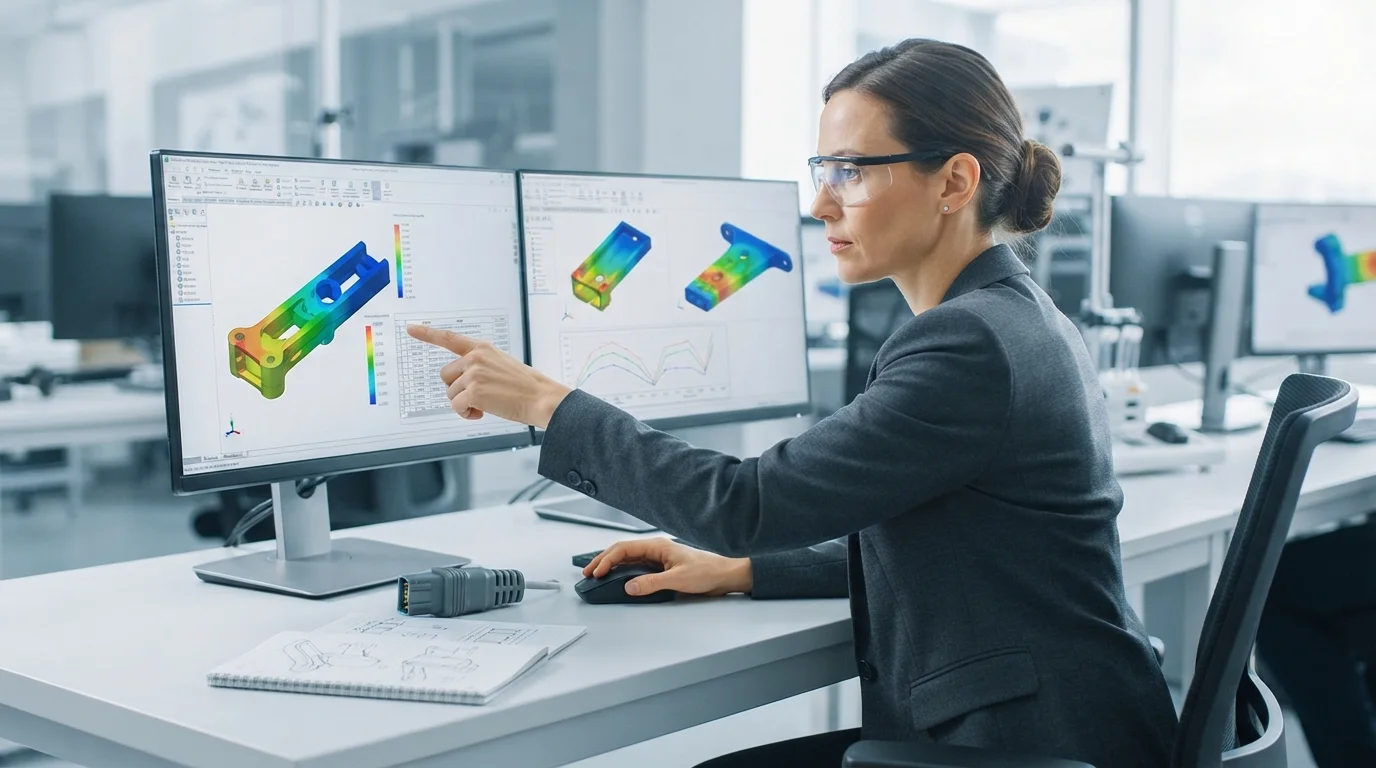
Encapsulating metal studs, copper busbars, or electronic terminals inside molten polymer delivers outstanding mechanical retention, but increases tooling complexity. Evaluating structural advantages against initial capital expenditures allows engineering teams to select the most cost-effective production pathway. This technical evaluation reviews core mechanical benefits, tooling limitations, and volume justification criteria.
目錄
Top 4 Advantages of Encapsulating Metal Inserts
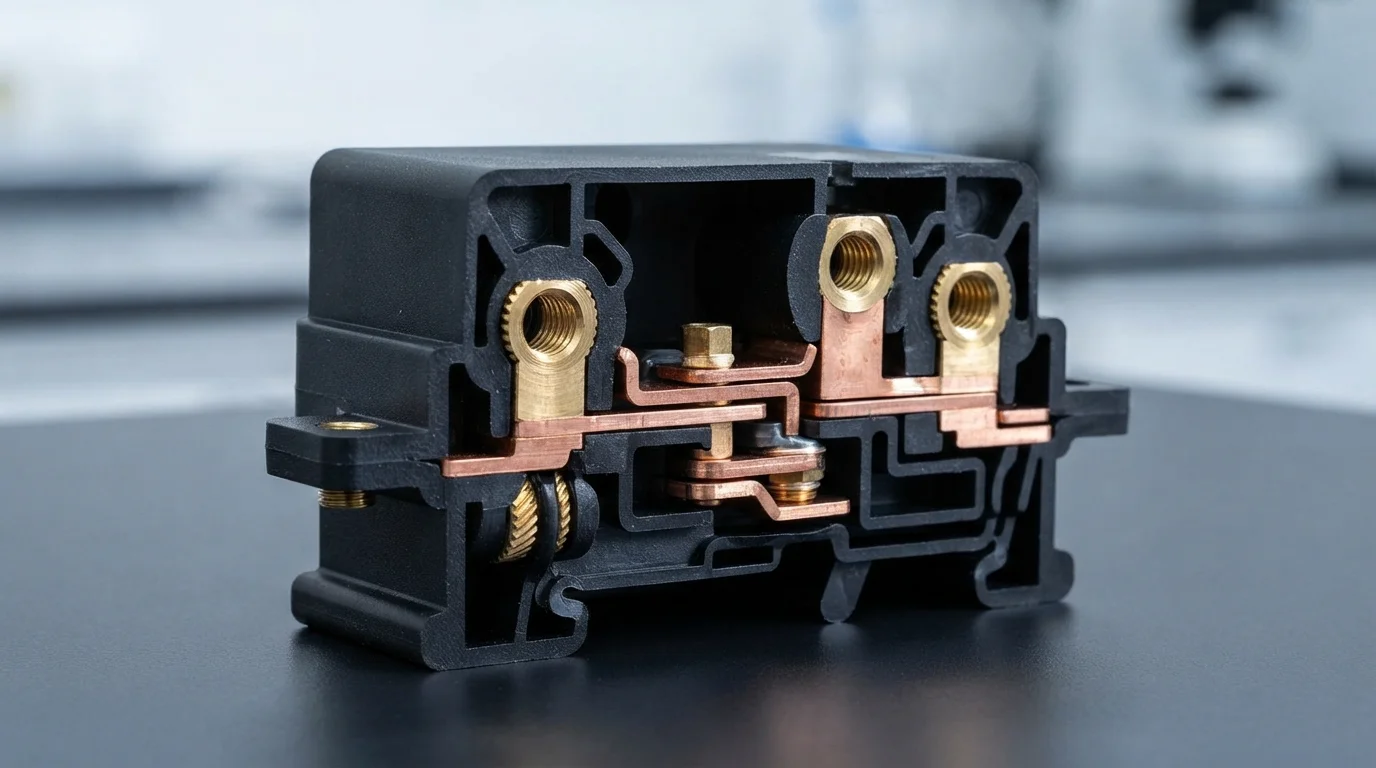
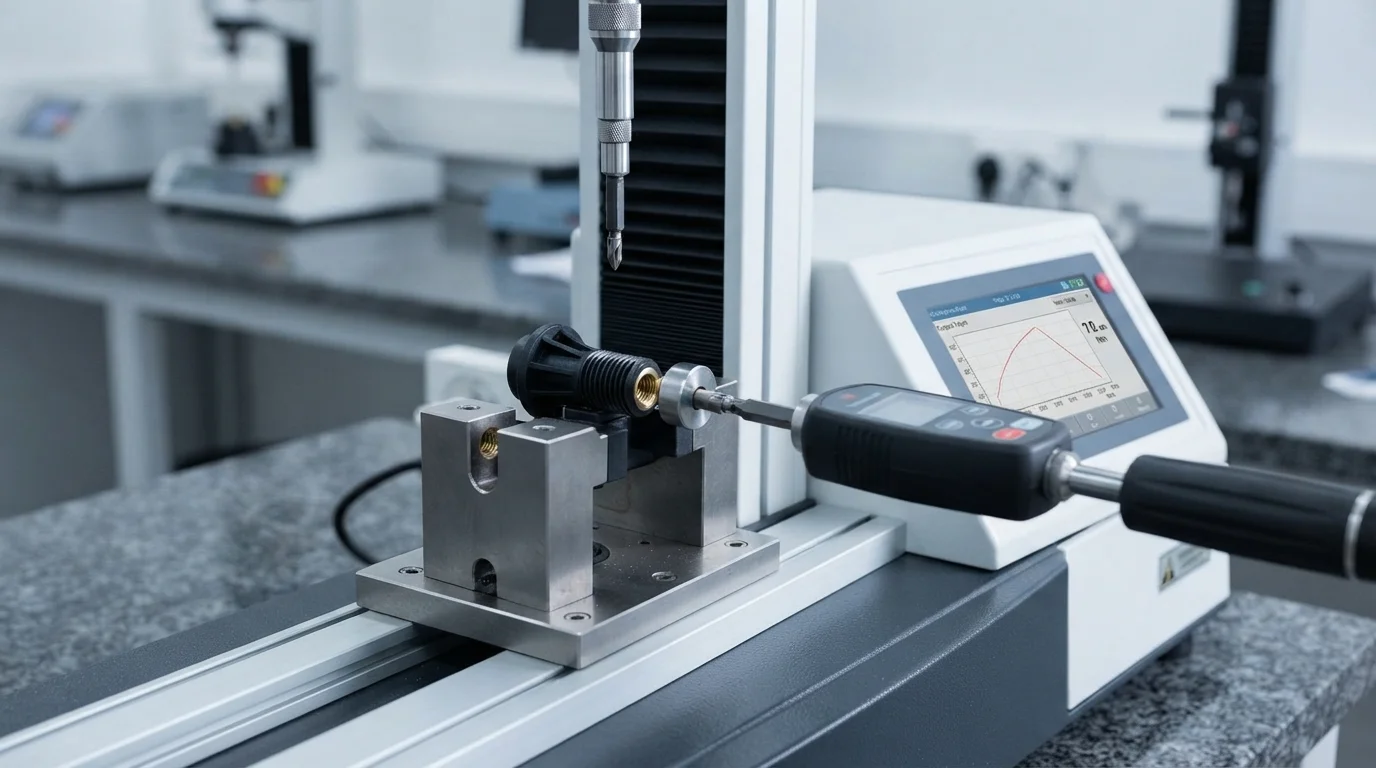
Analyzing insert molding pros and cons reveals major structural and manufacturing advantages over post-mold fastener installation. Primary mechanical benefits include maximized pull-out strength and superior rotational torque resistance. Molten plastic flows directly into knurled metal profiles, creating a permanent mechanical interlock upon cooling that resists heavy vibrational loads.
Eliminating secondary manual assembly steps dramatically reduces production labor and eliminates human installation errors. Encapsulating brass 或 copper contacts directly inside the housing seals internal components, achieving IP67 environmental ingress protection. Furthermore, combining structural metal elements with lightweight plastic carriers reduces overall product weight while extending electrical dielectric insulation.
Core mechanical and production advantages include:
- Maximized mechanical retention—Flowing polymer into knurled metal grooves delivers superior pull-out and torque resistance compared to heat-staking.
- Reduced assembly labor—Eliminating secondary fastening or ultrasonic welding operations lowers total unit production costs.
- Enhanced environmental sealing—Encapsulating metal elements directly creates a continuous barrier against water, dust, and automotive fluids.
- Component weight optimization—Replacing heavy all-metal housings with structural plastic enclosures reduces overall assembly weight.
Key Challenges & Limitations (and How to Overcome Them)
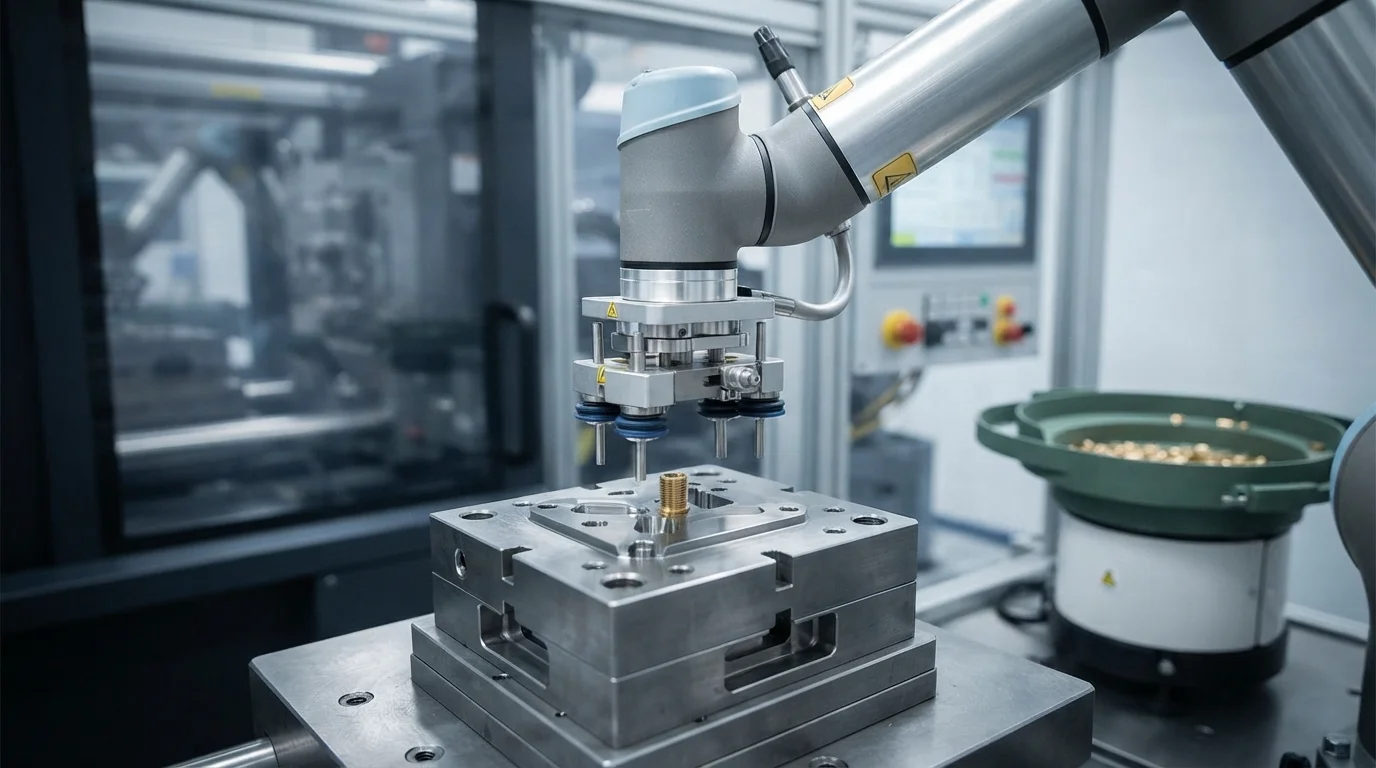
Evaluating technical limitations remains essential to prevent project budget overruns. Higher initial tooling complexity represents the primary challenge of custom insert molding. Designing multi-shot mold bases with shut-off steel lands tighter than ±0.01 mm increases upfront non-recurring engineering expenses compared to standard single-material molds.
Insert alignment drift under high-velocity melt flow presents another significant processing risk. High injection pressures can tilt unanchored terminal pins, causing shut-off steel crushing or surface plastic flash. Utilizing hardened core locating pins, magnets, or automated robotic loading systems holds metal inserts firmly during high-pressure injection.
Is Insert Molding Right for Your Product Design?
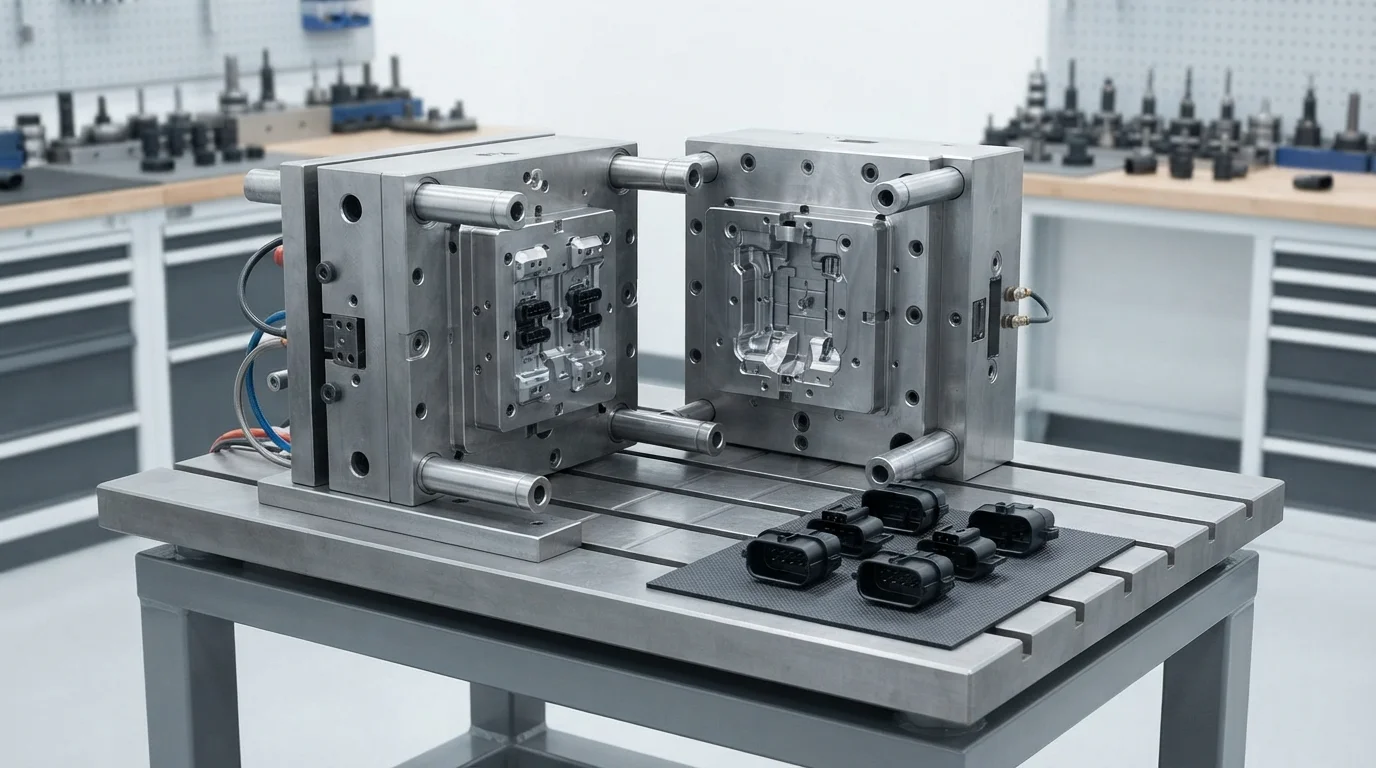
Deciding whether to specify insert encapsulation depends heavily on annual production volume and mechanical fatigue requirements. Low-volume prototype runs of 1,000 to 5,000 units can utilize hand-loaded loose cores to avoid expensive automated slider mechanisms. High-volume automotive and medical programs exceeding 50,000 units easily amortize tooling costs through reduced assembly labor.
Thorough analysis of insert molding pros and cons guides product teams toward the optimal manufacturing strategy. Conducting a 24-hour DfM review before cutting tool steel ensures that wall thicknesses, draft angles, and shut-off lands are optimized for high-yield series production.
| Process Evaluation Factor | In-Mold Insert Encapsulation | Secondary Post-Mold Assembly | Engineering Recommendation |
|---|---|---|---|
| Pull-Out & Torque Resistance | Maximum (Plastic shrinks around knurls) | Moderate (Superficial wall melting) | Specify in-mold inserts for high-vibration applications |
| Upfront Tooling Capital (NRE) | Higher (Precision shut-off lands needed) | Lower (Standard injection mold) | Utilize hand-loaded loose cores for low-volume runs |
| Unit Assembly Labor Expense | Zero (Automated in-mold process) | High (Manual heat-staking labor) | In-mold process is vastly superior for volume > 50,000 units |
Frequently Asked Questions (FAQs)
What is the main advantage of insert molding over ultrasonic heat-staking?
Insert molding provides significantly higher pull-out and rotational torque resistance because molten plastic shrinks directly around knurled metal profiles during primary cooling. Ultrasonic heat-staking merely melts superficial wall edges, leaving internal micro-gaps that weaken under fatigue.
When is insert molding NOT recommended for a product design?
Insert molding is generally not cost-effective for extremely low production runs under 100 parts where custom tooling NRE cannot be amortized. Additionally, parts requiring simple threaded fasteners without high torque loads may benefit more from standard self-tapping screws or press-fit inserts.
How do automated robots prevent insert alignment errors?
Automated 6-axis robotic arms pick up metal inserts from precision vibratory bowls and place them into mold core pockets with sub-millimeter accuracy. Robotic loading eliminates operator human error, prevents insert mis-orientation, and protects delicate core steel shut-off lands.