
Product design teams frequently specify multi-material polymer construction to combine contrasting physical properties into a single unified part. Single-shot plastic components cannot always satisfy demanding requirements for soft-touch ergonomics, vibration dampening, and waterproof sealing concurrently. Fusing a flexible elastomeric layer directly onto a rigid structural frame resolves these functional limitations without requiring secondary mechanical fasteners.

Community discussions among plastics evaluators emphasize that understanding multi-resin encapsulation mechanics prevents tooling mistakes and adhesion failures. Evaluating material compatibility, mold shut-off geometries, and machine cycle parameters ensures seamless integration between rigid and flexible layers. This technical educational guide explores core process definitions, structural classifications, and application selection criteria.
Defining Overmolding in Modern Thermoplastic Manufacturing
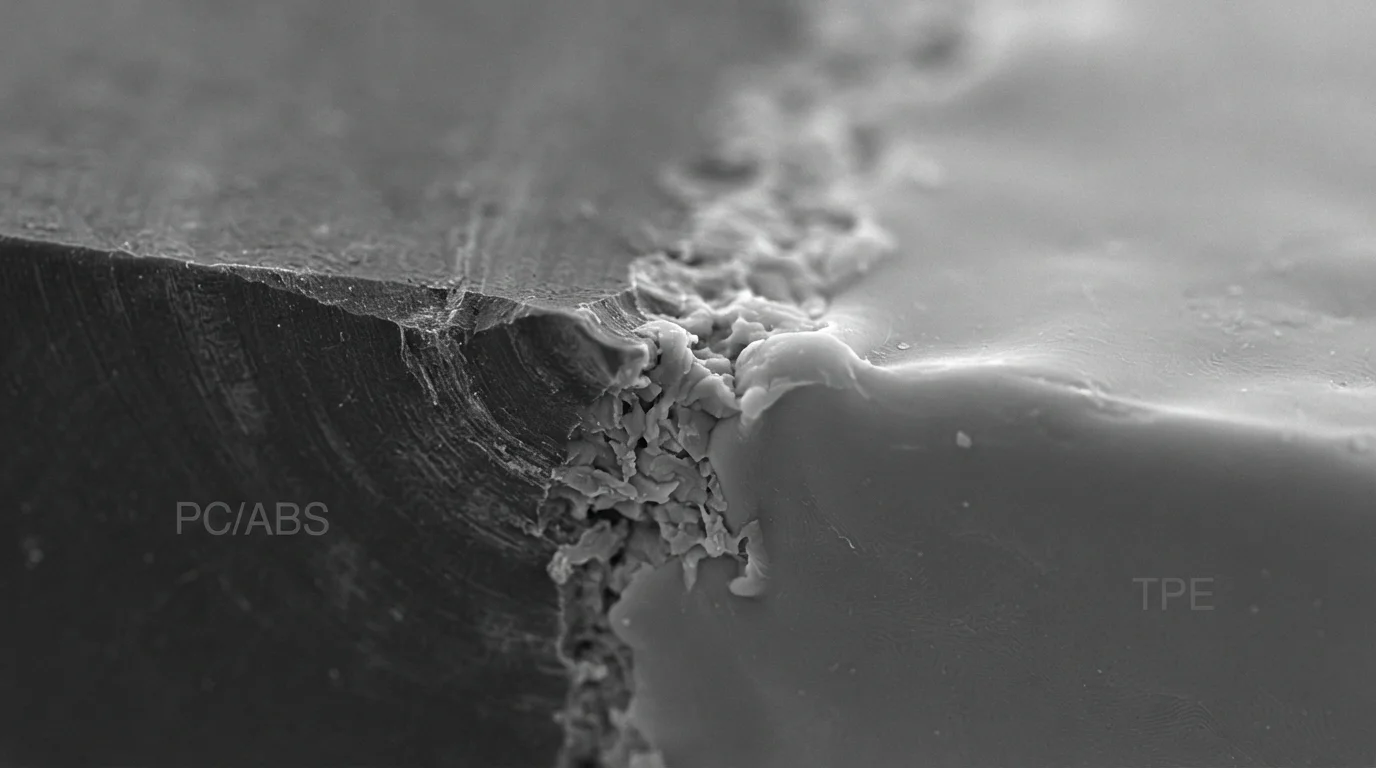
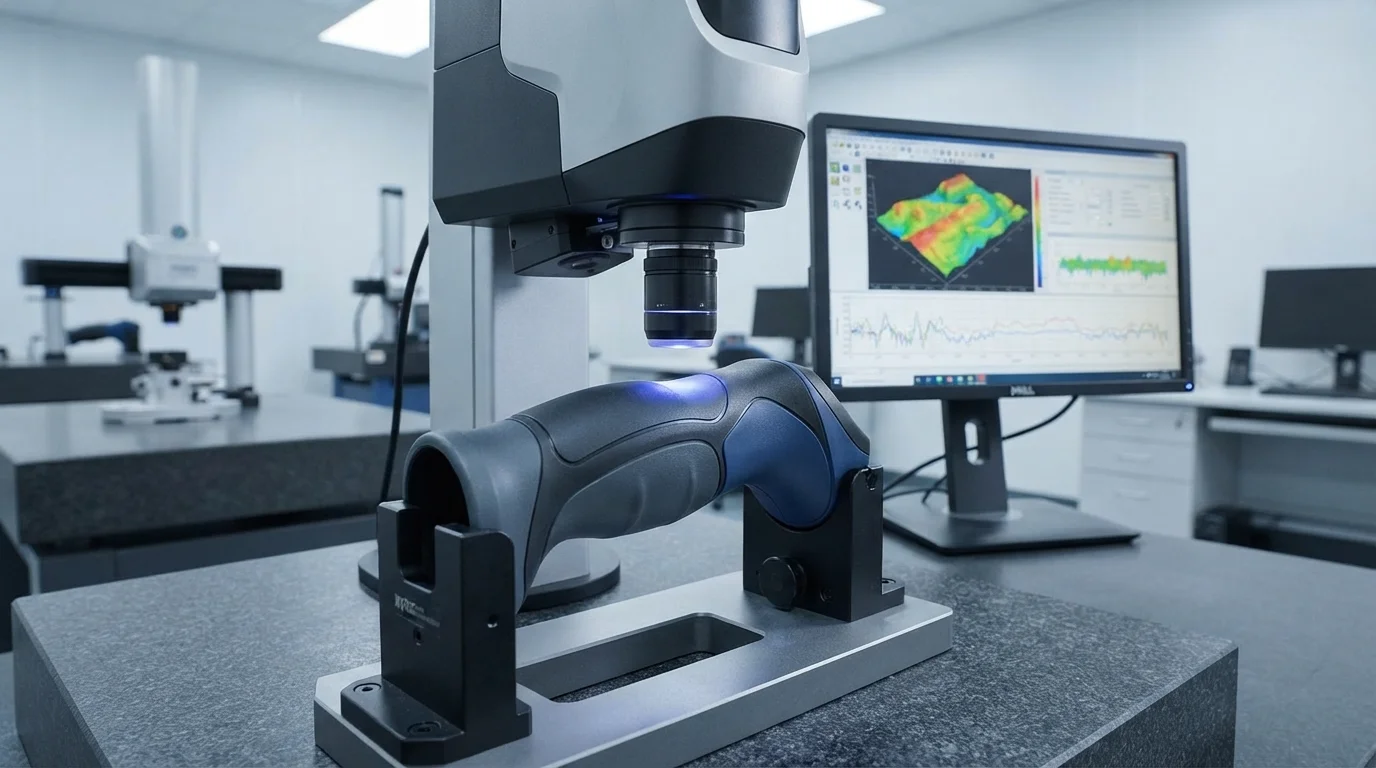
Answering what is overmolding requires examining how a secondary polymer layer is injected directly onto a pre-formed rigid substrate. Primary processing molds the rigid plastic chassis or positions a metallic insert inside the tool core. Secondary processing injects a flexible elastomer over designated contact zones, forming a cohesive multi-layer assembly upon cooling.
Executing custom overmolding injection molding requires selecting chemically compatible polymer families. Rigid substrate frames typically utilize engineering thermoplastics like ABS, polycarbonate (PC), or nylon. Molten second-shot resin melts a microscopic boundary skin on the substrate, permitting polymer chains to interdiffuse and create a permanent chemical bond.
The 3 Main Types: Substrate Overmolding, Insert Overmolding & 2K Molding
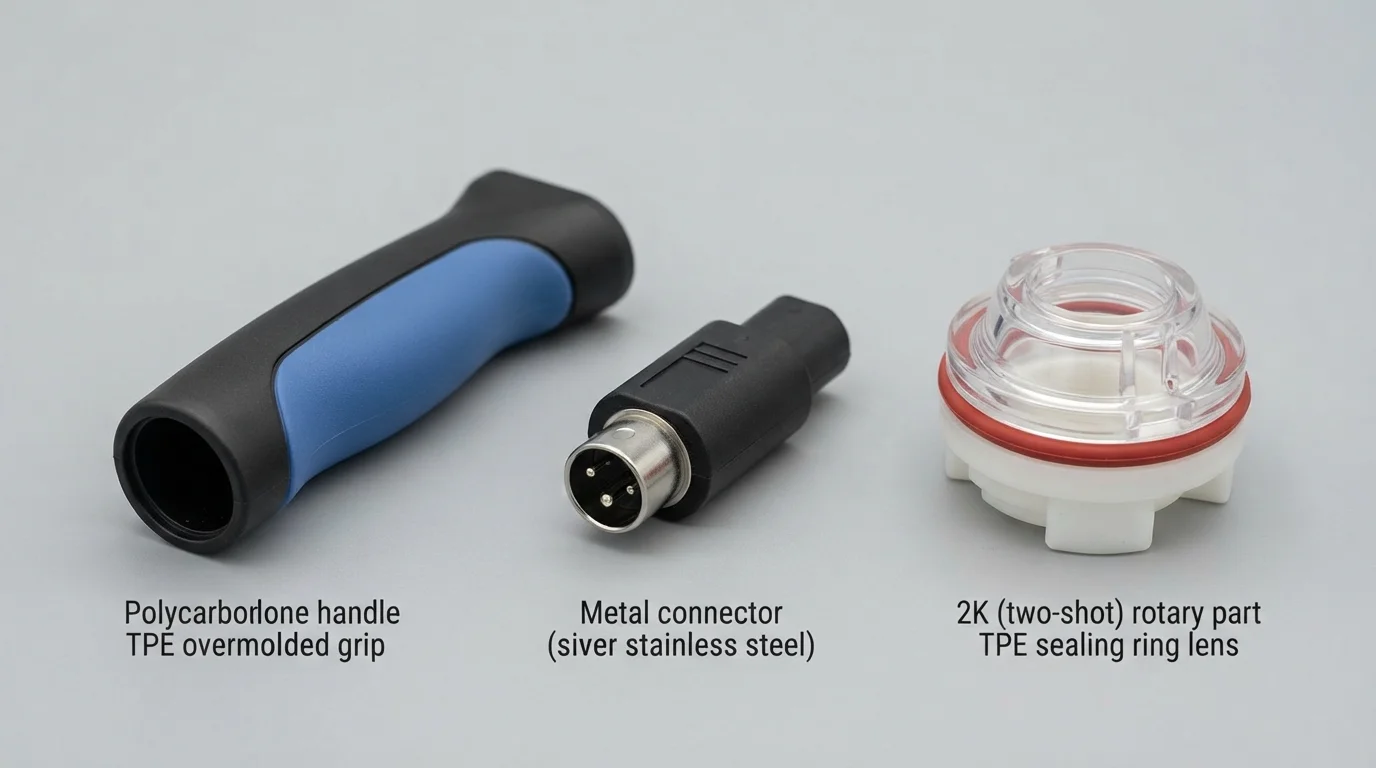
Classifying multi-material encapsulation processes involves analyzing the substrate type and machine tooling architecture. Substrate overmolding layers soft elastomeric resins over pre-molded rigid plastic parts using two separate mold cavities. Insert overmolding encapsulates non-plastic elements like brass threaded studs, copper busbars, or electronic sensors directly inside protective plastic shells.
Two-shot or 2K molding completes both injections within a single press cycle using specialized rotary platen tooling. Understanding what is overmolding helps engineers differentiate two-step transfer processes from single-cycle rotary 2K molding. Selecting TPE, TPU, or glass-filled PA66 depends on required production volume and joint strength targets.
| Overmolding Category | Substrate Material | Tooling & Machine Architecture | Primary Industrial Application |
|---|---|---|---|
| Substrate Overmolding (Plastic-on-Plastic) | Rigid Thermoplastic (ABS, PC, PC/ABS) | Two separate single-shot mold tools | Power tool handles & consumer electronic grips |
| Insert Overmolding (Plastic-over-Metal) | Metal Fasteners, Busbars, PCBs | Single mold tool with core locating pins | EV battery busbars & sealed electronic sensors |
| Two-Shot / 2K Molding (Single Press) | Primary Molded Rigid Shell | Single press with 180° rotary platen tool | Automotive backlit buttons & dual-color lenses |
When Should Engineers Choose Overmolding for Product Design?
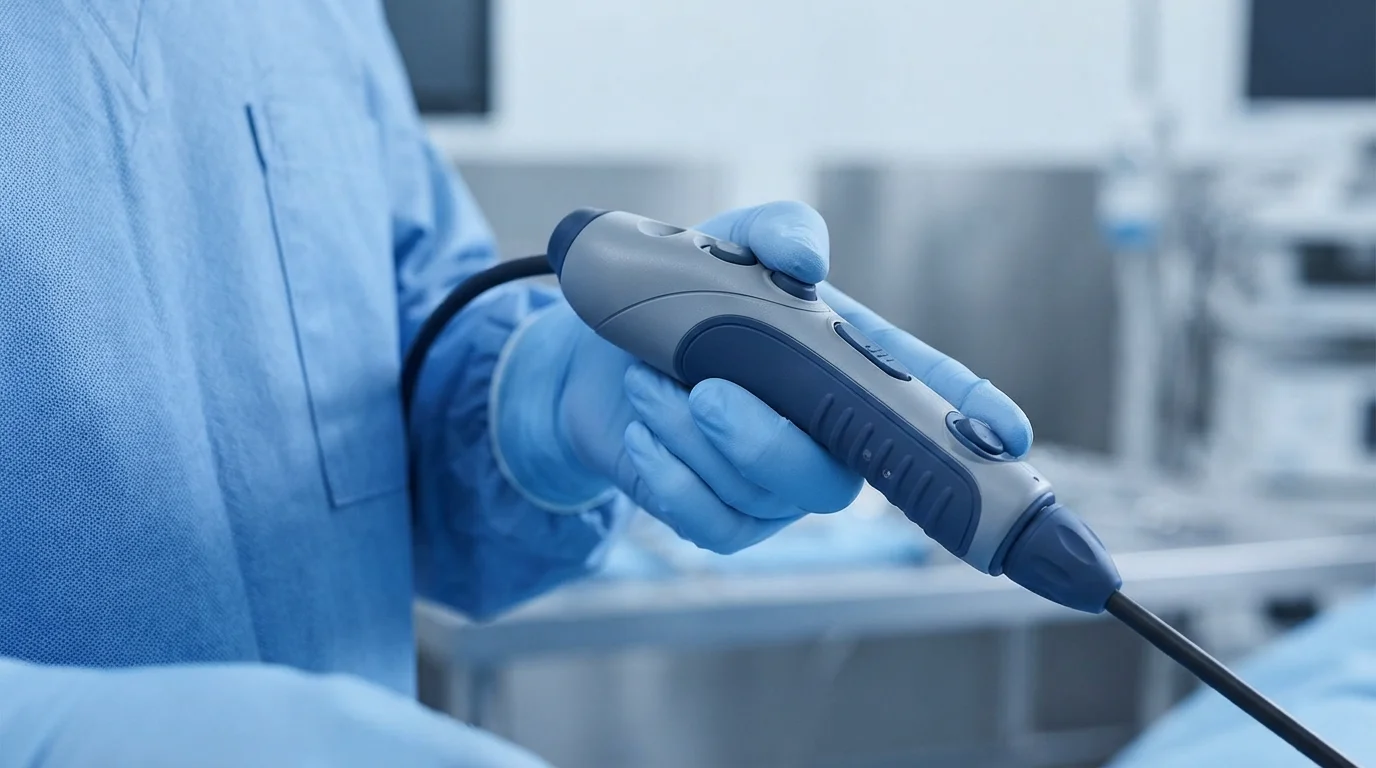
Determining what is overmolding suitability for a specific product design depends on functional performance goals and assembly cost targets. Specifying overmolding is highly advantageous when parts require slip-resistant soft-touch handles, vibration isolation, or integrated fluidic seals. Forming an integrated seal over part parting lines delivers IP67 waterproof sealing without requiring manual foam gasket installation.
High-performance applications specify specialized elastomers like Santoprene TPV to resist weathering, automotive oils, and elevated temperatures. Eliminating secondary manual assembly steps lowers piece-part labor expenses while preventing fastener loosening under cyclic road vibration.
Key product design selection triggers include:
- Tactile grip requirements—Adding TPE or TPU layers onto handheld equipment improves user comfort and slip resistance.
- Environmental sealing needs—Encapsulating enclosure joints directly provides long-term IP67/IP68 fluid protection.
- Vibration dampening goals—Cushioning rigid structural frames protects internal circuit boards against dynamic shock.
Why Choose JUCHENG for Overmolding Contract Manufacturing
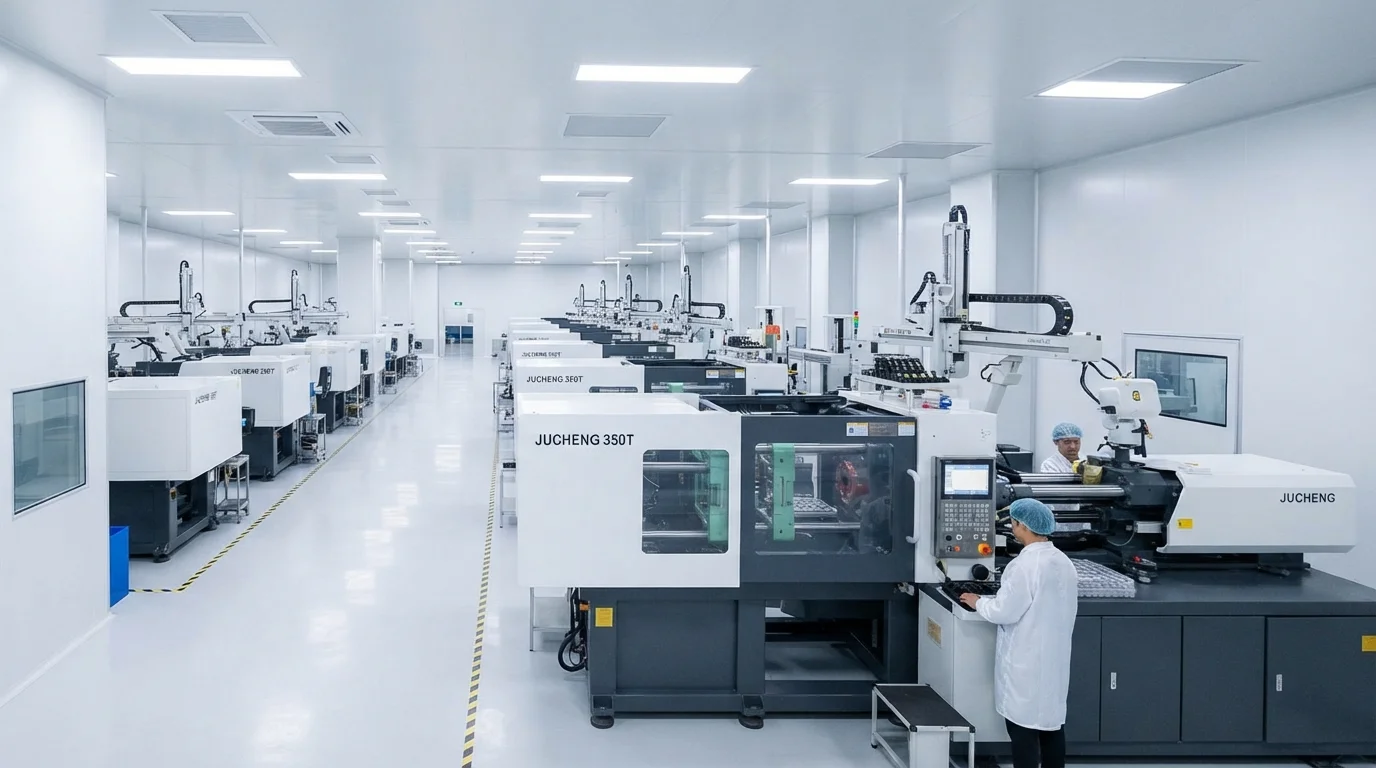
Partnering with JUCHENG for multi-material encapsulation projects provides access to an extensive production floor equipped with 35+ automated injection presses ranging from 15T to 3000T clamping force. Operating an in-house tool room with 25 sets of 5-axis CNC machines permits precise machining of shut-off steel lands from hardened S136 stainless steel or H13 tool steel. Our engineering team delivers a free 24-hour DfM review for every CAD submission, analyzing substrate wall thickness, draft angles, and shut-off feasibility before cutting steel.
Evaluating what is overmolding feasibility during early DfM stages prevents expensive steel modifications during series production. Quality management systems certified to IATF 16949 and ISO 13485 back every multi-shot production run, offering full PPAP Level 3 documentation for automotive programs. Operating an ISO Class 8 cleanroom molding department protects medical components from particulate contamination during molding and drop-packaging.
Frequently Asked Questions (FAQs)
What is overmolding in simple terms?
Overmolding is an injection molding process where a secondary plastic or elastomeric resin is injected over a pre-formed rigid plastic or metal substrate. This multi-material process combines two contrasting properties, such as a rigid structural frame and a soft-touch grip, into a single integrated component.
What is the difference between overmolding and insert molding?
Insert molding encapsulates non-plastic substrates like brass threaded bushings or copper busbars inside molten resin. Overmolding specifically layers a secondary resin (typically a soft elastomer like TPE or TPU) over a rigid plastic chassis or over an already encapsulated insert.
How do materials bond during overmolding?
Materials bond primarily through chemical fusion, where molten second-shot resin melts a thin skin layer on the substrate, allowing polymer chains to entangle across the boundary. When chemical affinity between polymers is low, mold designers incorporate mechanical interlocks like undercuts or dovetails.
Can overmolding eliminate secondary manual assembly steps?
Overmolding eliminates manual assembly steps by molding soft grips, seals, or multi-color symbols directly onto the part inside the injection press. Eliminating secondary glues, fasteners, and manual handling lowers overall unit manufacturing costs and improves joint reliability.
What are the most common polymers used for plastic overmolding?
Rigid substrates typically utilize ABS, polycarbonate (PC), PC/ABS alloys, and glass-filled Nylon (PA66-GF). Overmold layers commonly use thermoplastic elastomers (TPE), thermoplastic polyurethanes (TPU), and thermoplastic vulcanizates (TPV/Santoprene).
Why is cleanroom processing important for medical overmolding?
Cleanroom molding inside ISO Class 8 environments controls airborne particulate contamination during multi-material processing. Sterile medical devices, surgical tool handles, and fluidic diagnostic cartridges require cleanroom encapsulation to satisfy ISO 13485 and USP Class VI compliance.