
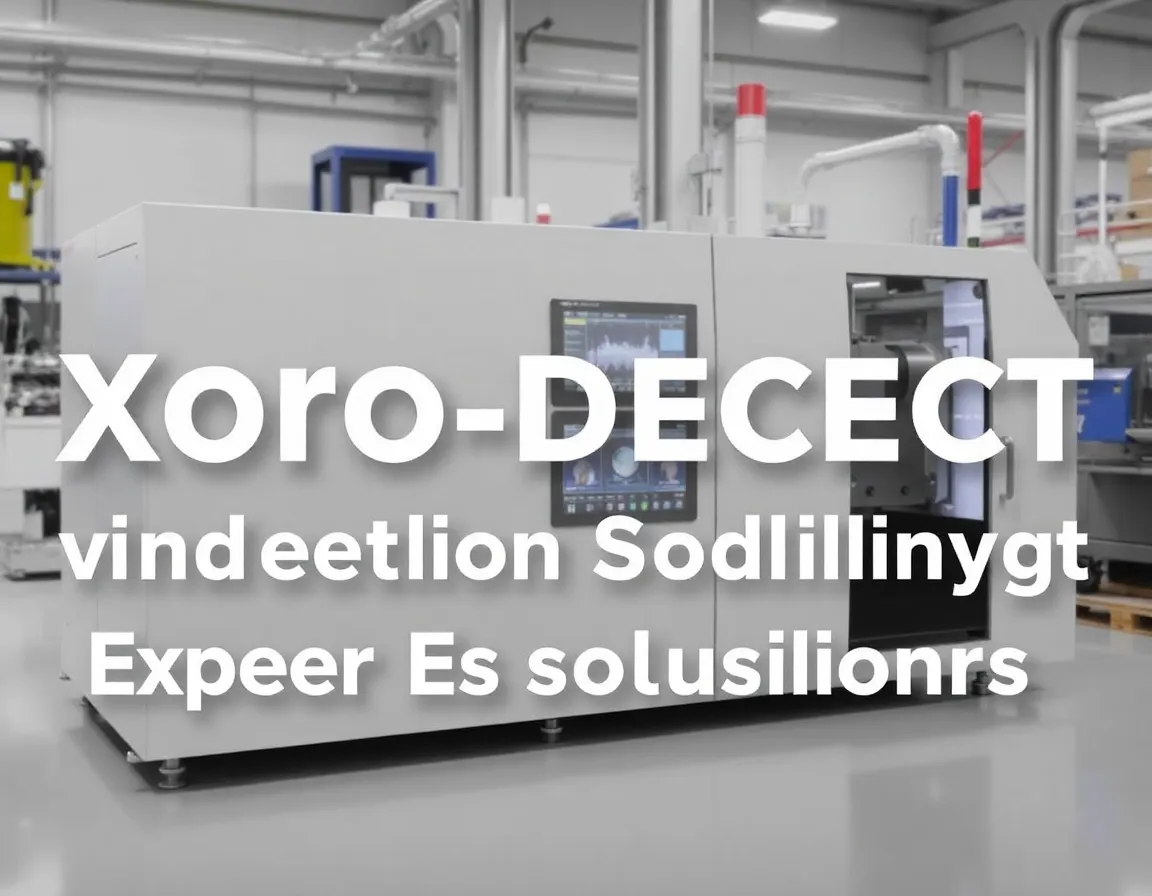
Achieving zero-defect injection molding is the gold standard for manufacturers who refuse to compromise on quality. In an industry where a single flawed part can halt an entire production line, trigger costly recalls, or damage a hard-won reputation, the pursuit of perfection is not optional—it is essential. Zero-defect injection molding represents a systematic, data-driven approach to eliminating variability at every stage of the molding process, from resin selection to final inspection. This article explores what zero-defect molding truly means, the science behind it, the technologies that enable it, and the best practices that separate world-class molders from the rest.
What Is Zero-Defect Injection Molding?
Zero-defect injection molding is a manufacturing philosophy and operational framework in which the goal is to produce every single part within specification, with no scrap, no rework, and no customer returns. The concept borrows heavily from the zero-defect manufacturing (ZDM) principles first popularized in the aerospace and automotive industries, where failure is simply not an option.
It is important to understand that zero-defect does not mean defects are merely detected and removed. Traditional quality control relies on inspection—catching bad parts before they ship. Zero-defect molding flips that model on its head. Instead of inspecting quality into a product, the process itself is engineered so that defects cannot occur in the first place. The focus shifts from reactive inspection to proactive prevention.
In practical terms, a zero-defect molder aims for metrics such as:
- Parts per million (PPM) defect rates in the single or even sub-single digits
- First-pass yield (FPY) consistently above 99.5%
- Process capability indices (Cpk) of 1.67 or higher on critical dimensions
- Zero unplanned downtime caused by quality-related stoppages
These targets are ambitious, but they are achievable with the right combination of equipment, process control, and culture.
The Science Behind Perfect Parts
Injection molding is a complex thermomechanical process with dozens of interacting variables. To achieve zero defects, manufacturers must master each of these variables and understand how they influence one another.
Material Consistency
Every defect story often begins with the resin. Moisture content, melt flow index, and thermal history all affect how a polymer behaves in the barrel and cavity. Hygroscopic materials like nylon and polycarbonate must be dried to precise moisture levels—often below 0.02%—before processing. Inconsistent regrind ratios, contaminated pellets, or improper storage can introduce variability that no amount of machine tuning can overcome.
Zero-defect operations treat incoming material as a controlled input. They verify resin certificates, monitor dryers with dew-point sensors, and maintain strict regrind protocols. Some facilities even use inline rheology sensors to confirm that the melt viscosity matches the validated process window.
Process Window Optimization
Концепция окне процесса is central to zero-defect molding. Rather than running at a single set of parameters, engineers define a range of conditions—melt temperature, mold temperature, injection speed, packing pressure, cooling time—within which acceptable parts are produced. The wider and more robust this window, the more resilient the process is to normal variation.
Scientific molding methodologies, such as those championed by RJG and other industry leaders, use планирование эксперимента (DOE) и анализа литьевых процессов to map this window precisely. Decoupled molding techniques separate the filling, packing, and cooling phases, allowing each to be optimized independently. The result is a process that is not just capable but repeatable, shift after shift.
Cavity Pressure and Sensor Technology
Perhaps the single most powerful tool in the zero-defect toolkit is in-cavity pressure sensing. Cavity pressure correlates directly with part dimensions, weight, and internal stress. By monitoring pressure curves in real time, a molder can detect short shots, flash, sink marks, and warpage before the mold even opens.
Modern systems use these sensors to automatically adjust process parameters on the fly or to segregate suspect parts. When combined with machine learning algorithms, cavity pressure data can predict quality outcomes with remarkable accuracy, effectively creating a self-correcting molding cell.
Technologies Enabling Zero-Defect Production
Zero-defect molding is not achieved through human vigilance alone. It requires an ecosystem of advanced technologies working in concert.
Closed-Loop Process Control
Closed-loop systems continuously compare actual process values against setpoints and make automatic corrections. Instead of relying on a machine operator to notice drift, the controller adjusts injection velocity, holding pressure, or barrel temperature in real time. This eliminates the slow degradation that often goes unnoticed until defects appear.
Automated Vision Inspection
Machine vision systems equipped with high-resolution cameras and AI-driven software can inspect every part at production speed. They detect cosmetic defects, dimensional deviations, and assembly errors that the human eye would miss. When integrated with a reject mechanism, defective parts are removed immediately, and the data is fed back to the process for root-cause analysis.
Statistical Process Control (SPC) and Real-Time Analytics
SPC remains a cornerstone of quality management. By tracking key dimensions and process parameters on control charts, manufacturers can identify trends before they become defects. Modern manufacturing execution systems (MES) take this further, aggregating data across machines and shifts to reveal patterns and pinpoint the true sources of variation.
Mold Design and Maintenance
A perfect process cannot compensate for a poorly designed or worn mold. Zero-defect operations invest heavily in:
- Сбалансированные литниковые системы that fill all cavities simultaneously
- Конформные каналы охлаждения that ensure uniform temperature distribution
- Robust venting to prevent burn marks and short shots
- Preventive maintenance schedules that replace wear items before they affect parts
Mold health monitoring, using sensors to track cycle count and cavity pressure trends, allows maintenance to be scheduled predictively rather than reactively.
Benefits of Zero-Defect Injection Molding
The transition to zero-defect molding requires investment, but the returns are substantial and multifaceted.
Cost Reduction
Scrap, rework, and warranty claims are direct drains on profitability. When defects approach zero, material waste drops, labor spent on sorting and rework disappears, and energy consumption per good part falls. For high-volume programs, even a fraction of a percent improvement in yield can translate into six-figure annual savings.
Enhanced Customer Trust
In industries such as medical devices, automotive safety systems, and aerospace, a single defective part can have catastrophic consequences. Customers audit suppliers rigorously and reward those with proven quality systems. A zero-defect track record opens doors to premium contracts and long-term partnerships.
Operational Efficiency
Stable, predictable processes run faster and with less downtime. When machines are not constantly stopped for quality issues, overall equipment effectiveness (OEE) rises. Scheduling becomes more reliable, lead times shrink, and inventory buffers can be reduced.
Соответствие нормативным требованиям
Standards such as ISO 13485 for medical devices, IATF 16949 for automotive, and AS9100 for aerospace demand rigorous process control and traceability. Zero-defect molding aligns naturally with these requirements, simplifying audits and reducing compliance risk.
Best Practices for Implementing Zero-Defect Molding
Building a zero-defect culture is a journey, not a destination. The following best practices provide a roadmap.
1. Start with Design for Manufacturability (DFM)
Quality cannot be molded into a poorly designed part. Early collaboration between product designers and molding engineers ensures that wall thicknesses, draft angles, gate locations, and tolerances are optimized for the process. DFM reviews should happen before the mold is cut, not after defects appear.
2. Establish a Robust Process Validation Protocol
Follow a structured validation approach such as IQ/OQ/PQ (Installation, Operational, and Performance Qualification). Define critical process parameters, establish limits, and prove capability with statistically significant sample sizes. Document everything—validation is the foundation of repeatability.
3. Invest in Training and Culture
Technology alone is not enough. Operators, technicians, and engineers must understand the почему behind every procedure. Empower frontline staff to stop production when something looks wrong, and reward them for catching issues early. A culture of quality is built on engagement, not enforcement.
4. Use Data Relentlessly
Collect data on every cycle, every part, every shift. Analyze it for trends, correlations, and anomalies. Use root-cause analysis tools like fishbone diagrams and 5 Whys when defects do occur. The goal is not just to fix the problem but to ensure it can never happen again.
5. Partner with the Right Supply Chain
Zero-defect molding depends on consistent inputs. Qualify your resin suppliers, audit their quality systems, and maintain open communication about changes. A surprise change in material formulation can undo months of process optimization.
6. Embrace Continuous Improvement
Even a process running at 99.9% yield has room to improve. Adopt Lean and Six Sigma methodologies, conduct regular process audits, and stay current with emerging technologies. The pursuit of zero defects is a mindset of perpetual refinement.
Заключение
Zero-defect injection molding is more than a quality target—it is a comprehensive strategy that integrates advanced technology, rigorous process control, and a culture of continuous improvement. By mastering material behavior, optimizing the process window, leveraging in-cavity sensing and automated inspection, and investing in mold design and maintenance, manufacturers can achieve defect rates that were once thought impossible.
The benefits are undeniable: lower costs, happier customers, greater efficiency, and a competitive edge that is difficult to replicate. In an era where quality is expected and recalls are unforgiving, zero-defect molding is not just a secret to perfect parts—it is the secret to sustainable success.