
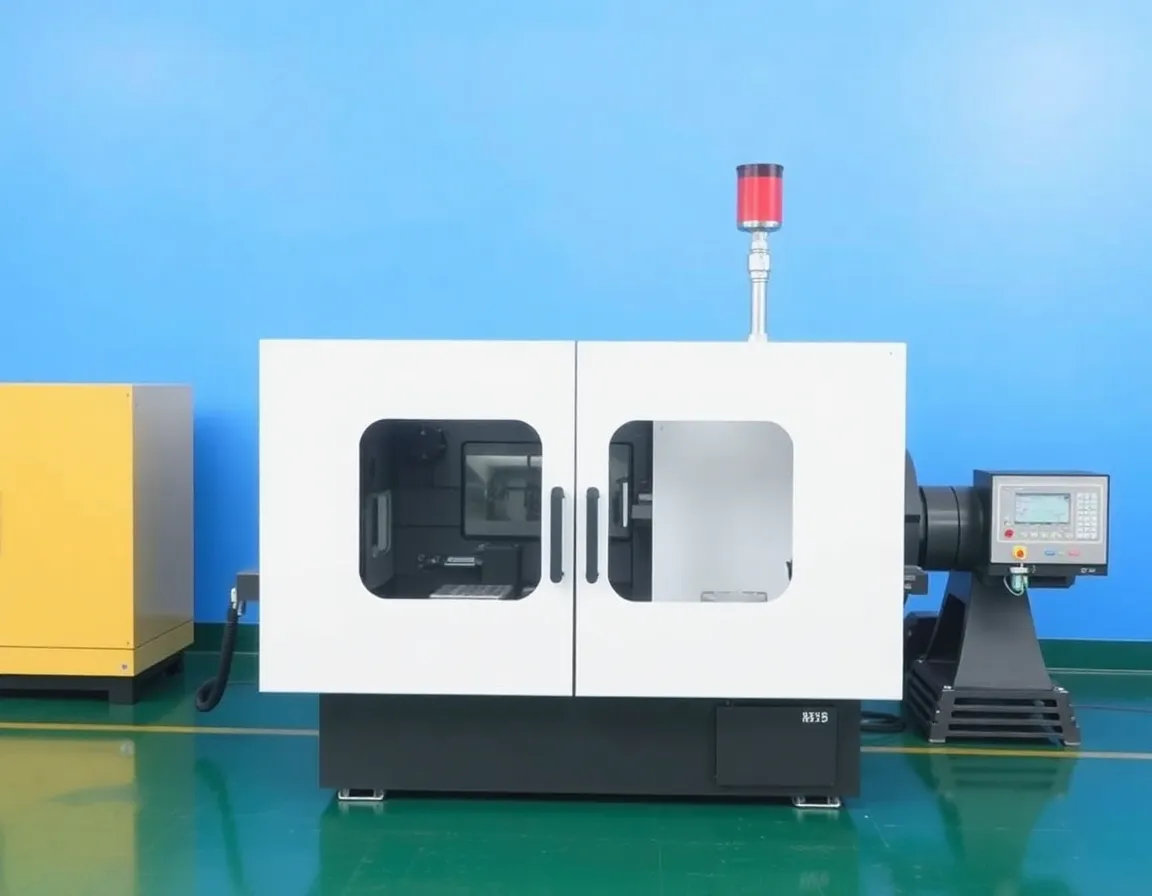
Понимание офшорного литья под давлением и его стратегической ценности
В конкурентной среде современного производства давление с целью снижения затрат при сохранении строгих стандартов качества никогда не было столь высоким. Для разработчиков продукции, OEM-производителей и предпринимателей фраза "офшорное литьё под давлением" часто вызывает образы длительных сроков, коммуникационных барьеров и нестабильного качества деталей. Однако при реализации со стратегическим партнёром и дисциплинированным инженерным подходом услуги офшорного литья под давлением открывают мощный путь к существенному снижению затрат — часто на 20–40% по сравнению с отечественным производством — без ущерба для точности, целостности материала или качества поверхности. В этой статье рассматриваются механизмы офшорного литья под давлением, его реальные применения и лучшие практики, отличающие успешные программы от дорогостоящих ошибок.
Офшорное литьё под давлением — это процесс передачи производства пластиковых компонентов на предприятия, расположенные в регионах с низкими затратами, чаще всего в Юго-Восточной Азии (Китай, Вьетнам, Таиланд), Южной Азии (Индия) или в некоторых частях Восточной Европы и Латинской Америки. Эти регионы развили зрелую экосистему переработки пластмасс, располагая передовым оборудованием таких брендов, как Engel, Arburg и Nissei, а также квалифицированной рабочей силой, которая всё чаще сертифицирована по международным стандартам качества, таким как ISO 9001 и IATF 16949. Основное экономическое преимущество заключается в более низких ставках оплаты труда, сниженных накладных расходах на эксплуатацию заводов и часто в государственных стимулах для экспортно-ориентированного производства. Однако истинная ценность предложения не только в дешёвой рабочей силе — это возможность амортизировать дорогостоящие затраты на оснастку на протяжении более длительного производственного цикла, имея доступ к обширной цепочке поставок сырья и вторичных операций.
Экономическое уравнение: больше, чем цена за единицу
При оценке услуг офшорного литья под давлением распространённая ошибка — сравнивать только цену за единицу изделия. Комплексный анализ затрат должен включать общую стоимость с учётом доставки, которая учитывает изготовление пресс-формы, транспортировку, таможенные пошлины, логистику, хранение запасов и возможные визиты для контроля качества. Офшорное литьё часто выигрывает по цене за единицу благодаря более низким почасовым ставкам за работу машины и затратам на оплату труда, но экономия может быть сведена на нет, если пресс-форма требует частых инженерных изменений или если график отгрузок не синхронизирован со спросом. Например, простой кронштейн из полипропилена, произведённый в США, может стоить $0,85 за единицу. Та же деталь, произведённая на китайском предприятии уровня Tier-1, может стоить $0,42 за единицу. Однако если добавить морскую перевозку (примерно $2 500 за 40-футовый контейнер) и срок поставки 30 дней, эффективная стоимость за единицу может вырасти до $0,58 — всё ещё значительная экономия в 32%, но решение требует прогноза объёмов, оправдывающего буферный запас.
Кроме того, офшорное литьё даёт явные преимущества для крупносерийного производства и для деталей со сложной геометрией, требующих длительного времени цикла. Поскольку почасовая ставка за работу машины в Азии или Мексике составляет лишь долю от ставки в Германии или США, выполнение 60-секундного цикла на прессе усилием 500 тонн становится экономически целесообразным в офшоре, тогда как внутри страны такая деталь может оказаться нерентабельной. Это позволяет конструкторам объединять несколько компонентов в одну более сложную литую деталь, снижая затраты на сборку и повышая стабильность характеристик детали.
Как работают услуги офшорного литья под давлением: пошаговый процесс
Чтобы оценить потенциал и подводные камни офшорного литья под давлением, необходимо понимать рабочий процесс. Это не простая сделка в стиле "отправить CAD-файл и ждать". Надёжная офшорная программа следует структурированному многоэтапному подходу, который обеспечивает соответствие между конструкторским замыслом клиента и производственными реалиями литейщика.
1. Проектирование для технологичности (DFM) и анализ течения расплава
Первый критически важный этап — совместный анализ DFM. Добросовестный офшорный партнёр назначит проектного инженера, свободно владеющего английским языком и имеющего глубокий опыт в проектировании пресс-форм. Этот инженер проанализирует геометрию вашей детали на предмет углов уклона, равномерности толщины стенок, расположения впускных литников и возможности извлечения. Он будет использовать программное обеспечение для моделирования Moldflow или Moldex3D для прогнозирования картин заполнения, линий спая, воздушных ловушек и времени охлаждения. Именно на этом этапе выигрывается или проигрывается битва за качество. Например, если ваша деталь имеет живой шарнир, офшорный литейщик должен обеспечить правильную ориентацию потока материала, чтобы избежать преждевременного растрескивания. Хороший DFM приведёт к конструкции пресс-формы, которая минимизирует время цикла, снижает количество брака и обеспечивает повторяемость размеров на протяжении миллионов циклов.
2. Изготовление оснастки и утверждение образцов
После утверждения DFM начинается изготовление пресс-формы. Офшорные инструментальные цеха обычно используют закалённую сталь (P20, H13 или S136) для крупносерийного производства, тогда как для меньших объёмов применяется предварительно закалённая сталь. Ключевое преимущество в том, что стоимость инструментальной стали и прецизионной обработки (EDM, CNC) в офшоре значительно ниже. Сложная двухгнёздная пресс-форма, которая стоит $80 000 в США, может стоить $35 000 во Вьетнаме или Китае. Однако клиент должен быть бдительным в отношении качества стали пресс-формы и соблюдения поставщиком заданных допусков. После изготовления пресс-формы литейщик изготовит образцы T1 (пробные). Эти образцы отправляются клиенту для полной размерной проверки, испытания материалов и эстетической оценки. Обычно требуется пройти через две или три итерации (T1, T2, T3), прежде чем клиент утвердит "золотой образец". Это утверждение является юридической и технической базой для массового производства.
3. Производство, контроль качества и логистика
После утверждения образца производитель планирует массовое производство. В отличие от местных поставщиков, которые могут предложить поставку точно в срок, зарубежные программы обычно используют модель управления запасами «толкай-тяни». Клиент размещает рамочный заказ на закупку, а производитель выпускает продукцию партиями, храня готовую продукцию на таможенном складе. Во время производства производитель выполняет контроль качества в процессе, включая размерные измерения с помощью КИМ (координатно-измерительных машин), визуальный контроль на наличие утяжин или облоя и проверку материала с помощью спектроскопии. Многие ведущие зарубежные предприятия оснащены автоматизированными системами машинного зрения, которые проверяют 100% критических размеров. Наконец, готовые детали упаковываются в картонные коробки экспортного класса, загружаются в контейнеры и отправляются морем или воздухом. Хороший логистический партнер возьмет на себя таможенное оформление и обеспечит доставку товаров на ваш склад или непосредственно на вашу сборочную линию.
Ключевые преимущества аутсорсинга зарубежных предприятий по литью под давлением
Решение о переносе производства за рубеж обусловлено не только арифметикой. Оно предлагает стратегическую гибкость и доступ к возможностям, которые могут быть недоступны на местном уровне. Ниже приведены основные преимущества, которые компании получают при использовании профессиональных зарубежных услуг по литью под давлением.
Значительное снижение затрат на оснастку и цену за деталь
Это главное преимущество. Стоимость изготовления пресс-форм в таких странах, как Китай или Индия, обычно на 40-60% ниже, чем в Северной Америке или Западной Европе. Это связано не с более низким качеством, а с более низкими затратами на оплату труда изготовителей пресс-форм, более дешевой электроэнергией для обработки и высококонкурентной экосистемой поставщиков компонентов для пресс-форм. Для серийных деталей более низкие почасовые ставки на машины для литья под давлением (которые включают заработную плату операторов, накладные расходы и коммунальные услуги) напрямую приводят к более низкой цене за деталь. Для продукта, требующего новой пресс-формы, экономия только на оснастке может финансировать другие аспекты разработки продукта, такие как дизайн упаковки или нормативные испытания.
Доступ к передовому оборудованию и экспертизе в области материалов
Вопреки устаревшим стереотипам, многие зарубежные предприятия по литью оснащены полностью электрическими машинами для литья под давлением , которые обеспечивают превосходную точность, повторяемость и энергоэффективность по сравнению со старыми гидравлическими машинами. Например, завод в Шэньчжэне может эксплуатировать парк машин от 50 до 1500 тонн, включая возможности многокомпонентного (двухцветного) литья и литья с закладными элементами с автоматизацией. Кроме того, зарубежные производители часто имеют обширный опыт работы с инженерными полимерами, такими как PC/ABS, PEEK, LCP и стеклонаполненный нейлон. Они также могут закупать специальные добавки (УФ-стабилизаторы, антипирены, антистатические агенты) по более низкой цене благодаря местным центрам химического производства.
Масштабируемость и гибкость производственных мощностей
Зарубежные предприятия часто обладают огромными производственными мощностями. Если ваш продукт внезапно приобретает популярность на рынке и вам нужно удвоить выпуск, крупный зарубежный завод может быстро выделить дополнительные прессы и смены, иногда в течение недели. Местные производители с ограниченными мощностями машин могут предложить вам срок поставки 16 недель для дополнительных мощностей. Эта масштабируемость имеет решающее значение для сезонных продуктов или для компаний, выходящих на новые рынки, где прогнозирование спроса неопределенно. Более того, вы можете начать с одногнездной пресс-формы за рубежом, чтобы проверить рынок, а затем расшириться до многогнездной пресс-формы или пресс-формы для семейства деталей без смены поставщика — та же инженерная команда выполнит модернизацию оснастки за небольшую часть первоначальной стоимости.
Vertical Integration of Secondary Operations
Many offshore injection molding services are part of larger manufacturing conglomerates that offer secondary operations in-house, including pad printing, laser engraving, ultrasonic welding, pad printing, and even basic assembly. This reduces the need for multiple suppliers and eliminates the logistical headache of shipping parts to a separate finishing facility. For example, if your part requires a threaded metal insert, the offshore molder can perform insert molding automatically within the cycle, rather than sending the part to a secondary press. This integration reduces labor costs, improves quality control, and shortens your overall supply chain timeline.
Applications and Industries That Benefit Most from Offshore Molding
Not all products are ideal candidates for offshore injection molding. However, a wide range of industries have successfully leveraged this strategy to improve margins and accelerate time-to-market.
- Consumer Electronics and Appliances: Housings, internal chassis, buttons, and connectors for smartphones, laptops, and home appliances. The high volume and need for cosmetic finishes make offshore molding highly effective.
- Automotive Components: Interior trim clips, under-the-hood fluid reservoirs, sensor housings, and connector bodies. Many Tier-1 automotive suppliers use offshore molding for non-safety-critical parts, then perform final assembly and testing locally.
- Medical Devices and Diagnostics: Disposable pipette tips, syringe barrels, housings for diagnostic instruments, and surgical instrument handles. Offshore molders certified to ISO 13485 offer the cleanroom molding capabilities required for medical applications at a fraction of the cost.
- Industrial and Power Tools: Gear housings, trigger assemblies, handle grips, and cooling fan blades. The toughness of engineering plastics and the need for precision fit make offshore molding viable for high-durability applications.
- Recreational and Outdoor Products: Components for bicycles, camping gear, fishing reels, and power sports equipment. The cost savings allow brands to offer competitive retail pricing.
However, it is crucial to note that parts with very tight tolerances (under ±0.01mm), those requiring exotic materials with limited global supply, or those with extremely low volumes (under 1,000 units per year) may not be suitable for offshore molding. The shipping and tooling amortization costs would outweigh the per-piece savings. For such cases, a domestic prototyping or low-volume molder is more pragmatic.
Best Practices for a Successful Offshore Injection Molding Partnership
To avoid the horror stories of delayed shipments and defective parts, one must approach offshore sourcing with a disciplined, engineering-driven mindset. Here are the critical best practices that separate successful programs from failures.
Conduct a Rigorous Supplier Audit and Qualification
Do not choose a molder based solely on the lowest quote. Perform a virtual or on-site audit focusing on their quality management system, machine maintenance logs, mold repair capabilities, and English-speaking engineering staff. Ask for references from clients in your industry, and request to see their rejection rate data (PPM - parts per million). Ideally, visit the factory during the T1 trial to observe the mold setup and the operator’s skill level. If an on-site visit is impossible, request a live video walkthrough of the production floor and a detailed list of their equipment. Verify their certifications independently, not just by looking at a PDF on their website.
Over-Communicate Specifications and Tolerances
Ambiguity is the enemy of quality. Your engineering drawing must include not only the 3D model but also a comprehensive 2D drawing with GD&T (Geometric Dimensioning and Tolerancing) symbols. Specify the exact material grade, supplier, and lot number if necessary. Do not rely on verbal agreements. Every critical dimension, surface finish requirement (e.g., VDI 30 or SPI A-2), and appearance standard (e.g., no visible weld lines on the front face) must be documented in a quality agreement. A best practice is to provide a boundary sample—a physical part that represents the maximum acceptable limit of cosmetic defects. This gives the offshore quality inspectors a tangible reference.
Invest in a Robust Quality Control Plan and Third-Party Inspection
Even with a good supplier, you should implement a layered quality control strategy. First, require the molder to send a First Article Inspection Report (FAIR) with actual measurement data for every dimension, not just a "pass/fail" checkbox. Second, for critical production runs, hire a third-party inspection agency (such as SGS, Bureau Veritas, or TÜV) to conduct a pre-shipment inspection (PSI) at the factory. These inspectors will randomly sample parts from the production lot, measure key dimensions, and verify that the packaging is correct. This costs a few hundred dollars per shipment but can save you from receiving an entire container of unusable parts. Third, establish a clear process for corrective actions. If defects are found, require the molder to submit a formal 8D report explaining the root cause and the permanent corrective action.
Plan Logistics and Inventory with Precision
Offshore shipping times are not negotiable. A sea shipment from Shanghai to Los Angeles takes 18-25 days, plus customs clearance and inland trucking. You must factor this into your inventory planning. A common strategy is to hold a safety stock equivalent to 6-8 weeks of demand to buffer against port delays, factory shutdowns (e.g., Chinese New Year), or unexpected demand spikes. Work with a freight forwarder who specializes in your industry and understands the nuances of plastic goods classification (HS codes). Also, consider splitting your shipment into multiple smaller containers if your demand is variable, rather than waiting to fill a full 40-foot container, which could lead to stockouts. For urgent needs, air freight is an option, but it can double your total cost—so use it sparingly for critical components only.
Maintain a Long-Term Relationship and Continuous Improvement
Offshore molding is not a one-off transaction. The best results come from building a strategic partnership. Once a supplier proves their reliability, avoid shopping around for a cheaper quote on every new part. Instead, leverage your existing relationship for engineering support on new projects. A good offshore molder will proactively suggest design modifications that reduce cycle time or material usage, further lowering your costs. Schedule quarterly business reviews to discuss quality metrics, cost reduction ideas, and upcoming product roadmaps. By treating them as an extension of your engineering team, you will unlock the true potential of offshore manufacturing—a continuous, compounding reduction in cost and improvement in quality.
In conclusion, offshore injection molding is a powerful tool for companies that need to compete on price without sacrificing the integrity of their product. It requires a significant investment in time for supplier selection, detailed engineering communication, and logistics planning. However, with the right approach, companies can achieve a sustainable competitive advantage. The key is not to view offshore molding as a shortcut, but as a sophisticated supply chain strategy that demands professional management. When executed correctly, it delivers a compelling return on investment, enabling you to bring high-quality products to market at a price point that wins customers and grows your business.