
Integrating metallic conductors, threaded fasteners, and electronic sensors directly into plastic structural housings powers modern technological innovations across regulated industries. Replacing multi-part mechanical assemblies with single-cycle metal-plastic encapsulation shaves component weight, eliminates manual assembly labor, and enhances environmental sealing protection.
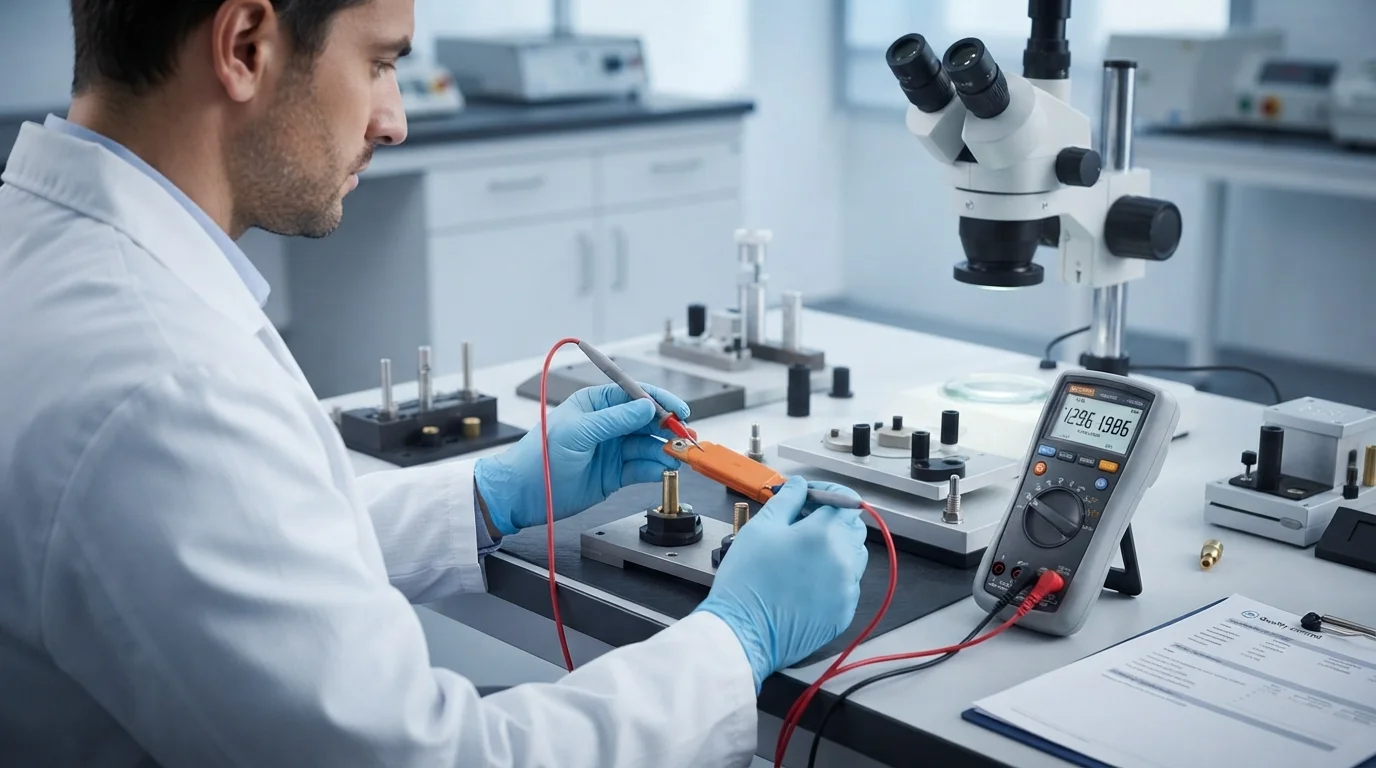
High-voltage e-mobility drivetrains, sterilizable surgical tools, and industrial automation equipment rely on metal-plastic encapsulation to prevent electrical dielectric breakdown and mechanical fatigue. Analyzing real-world manufacturing showcases demonstrates how engineers leverage material bonding, shut-off steel precision, and automated insert placement to solve critical hardware challenges. This technical showcase reviews automotive busbars, medical diagnostic instruments, and mechatronic solenoid housings.
Содержание
Automotive & EV Applications: High-Voltage Busbars and Connectors (IATF 16949)
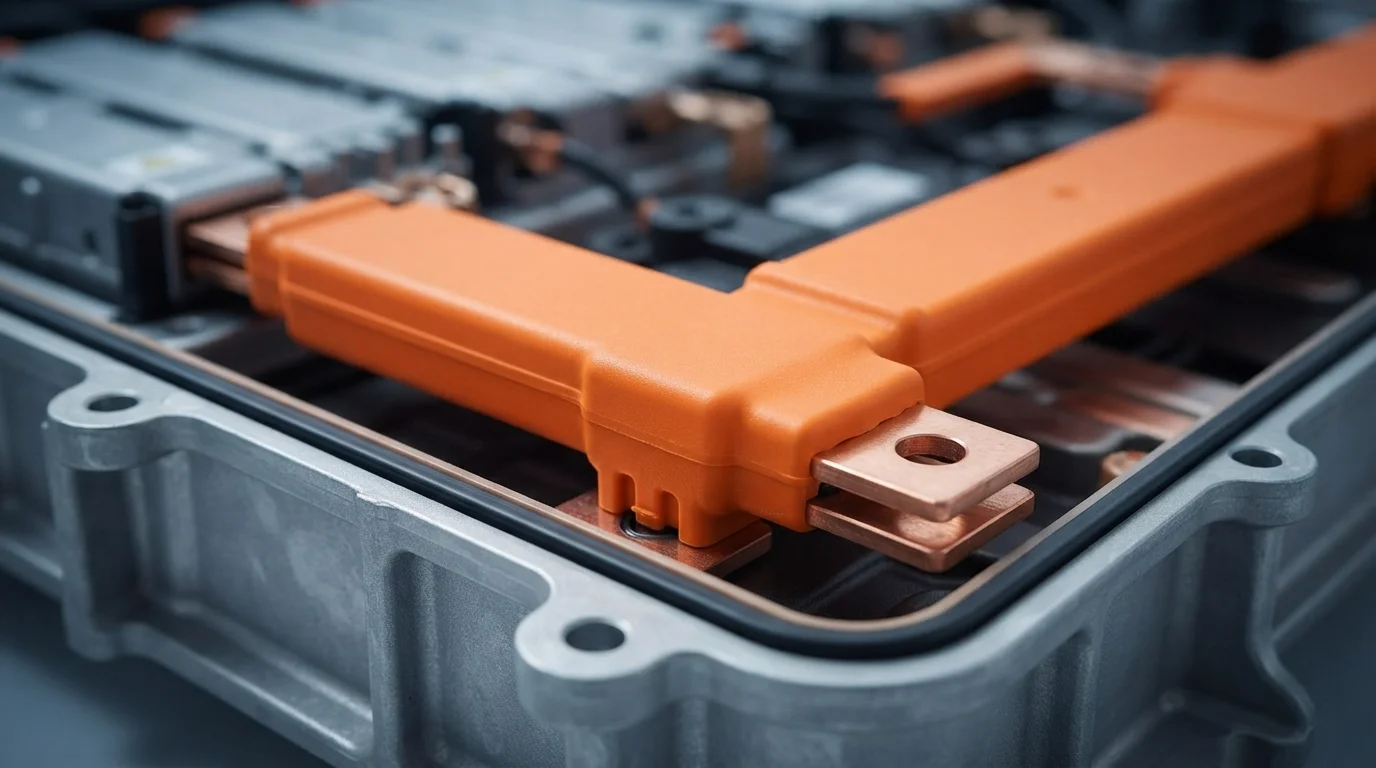
Demanding insert molding applications in electric vehicle (EV) powertrains center on encapsulating high-current copper or aluminum high-voltage busbars. Operating 800V battery architectures requires permanent dielectric insulation layers capable of resisting continuous vibration and high thermal exposure without cracking.
Encapsulating heavy copper conductors with flame-retardant thermoplastics like PA66-GF30 или PBT replaces bulky manual wire insulation tape. Labyrinth sealing land structures molded along the connector perimeter extend physical electrical creepage distances, satisfying strict international isolation standards. Manufacturing automotive connectors under IATF 16949 quality systems incorporates full PPAP Level 3 documentation, FMEA studies, and 100% electrical high-potential testing.
| Automotive Component | Encapsulated Metal Substrate | Overmolded Polymer Grade | Primary Functional Requirement |
|---|---|---|---|
| 800V EV Battery Pack Busbar | Stamped Copper Bar (C11000) | Orange PA66-GF30 (UL94 V-0) | High-voltage dielectric isolation & vibration resistance |
| Automotive Engine Sensor Body | Gold-Plated Lead Frame Pins | PBT-GF30 (Valox 420) | IP67 fluidic oil seal & zero terminal pin tilt |
| Electric Steering Motor Housing | Knurled Steel Bearing Ring | Сплав ПК/АБС (Bayblend) | High rotational torque-out strength & dimensional stability |
Medical Device Applications: Surgical Handles and Encapsulated Sensors (ISO 13485)
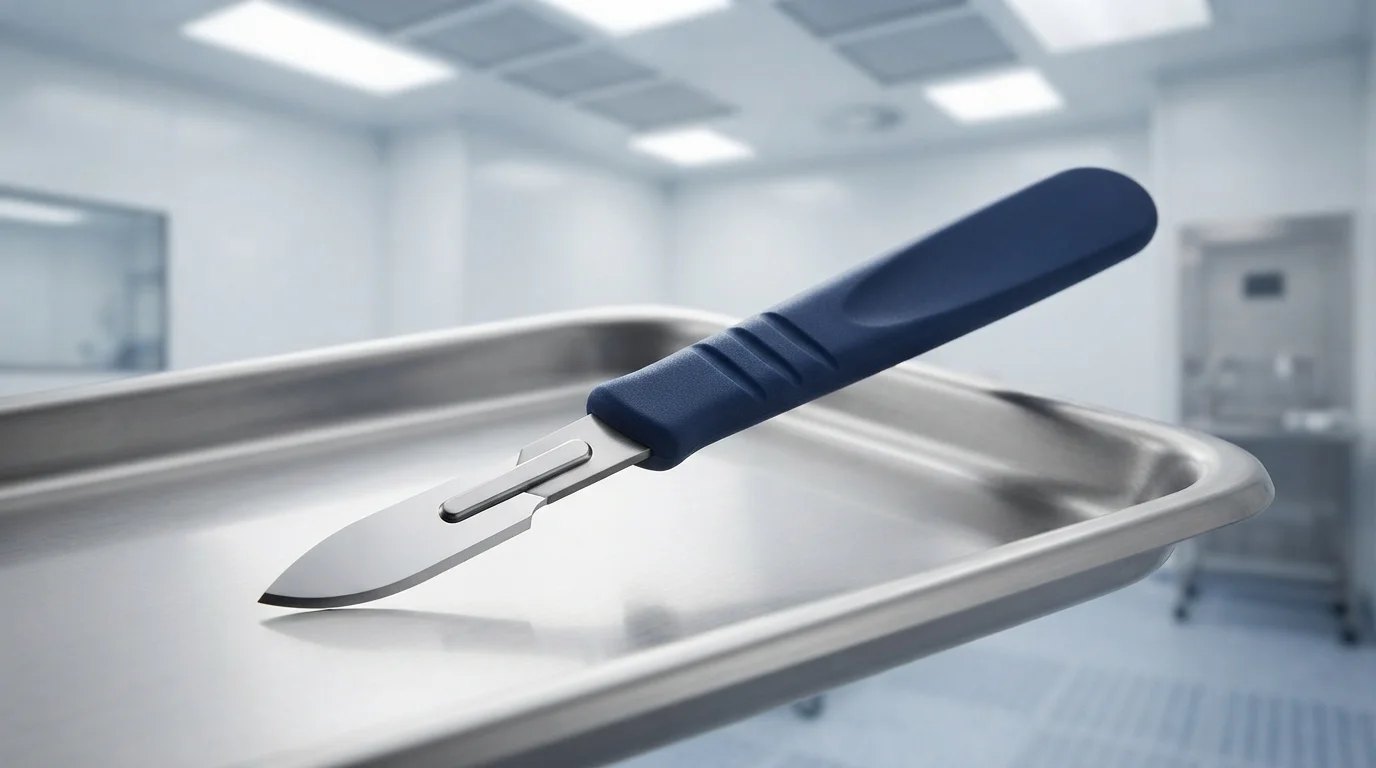
Healthcare equipment designers specify custom литья с закладными элементами to fabricate ergonomic surgical tool handles and protect encapsulated sensors against chemical fluid ingress. Overmolding stainless steel surgical blades or laparoscopic shafts with biocompatible thermoplastics creates a seamless, crevice-free joint.
Eliminating internal micro-gaps prevents fluid entrapment and bio-burden accumulation during repeated autoclave steam sterilization cycles. Operating inside an ISO Class 8 cleanroom molding department under ISO 13485 certification ensures sterile processing for diagnostic fluidic probes. Resins utilized in medical applications meet USP Class VI and ISO 10993 criteria, providing certified biological safety for clinical tools.
Industrial & Mechatronic Components: Knurled Threaded Bosses and Valve Bodies
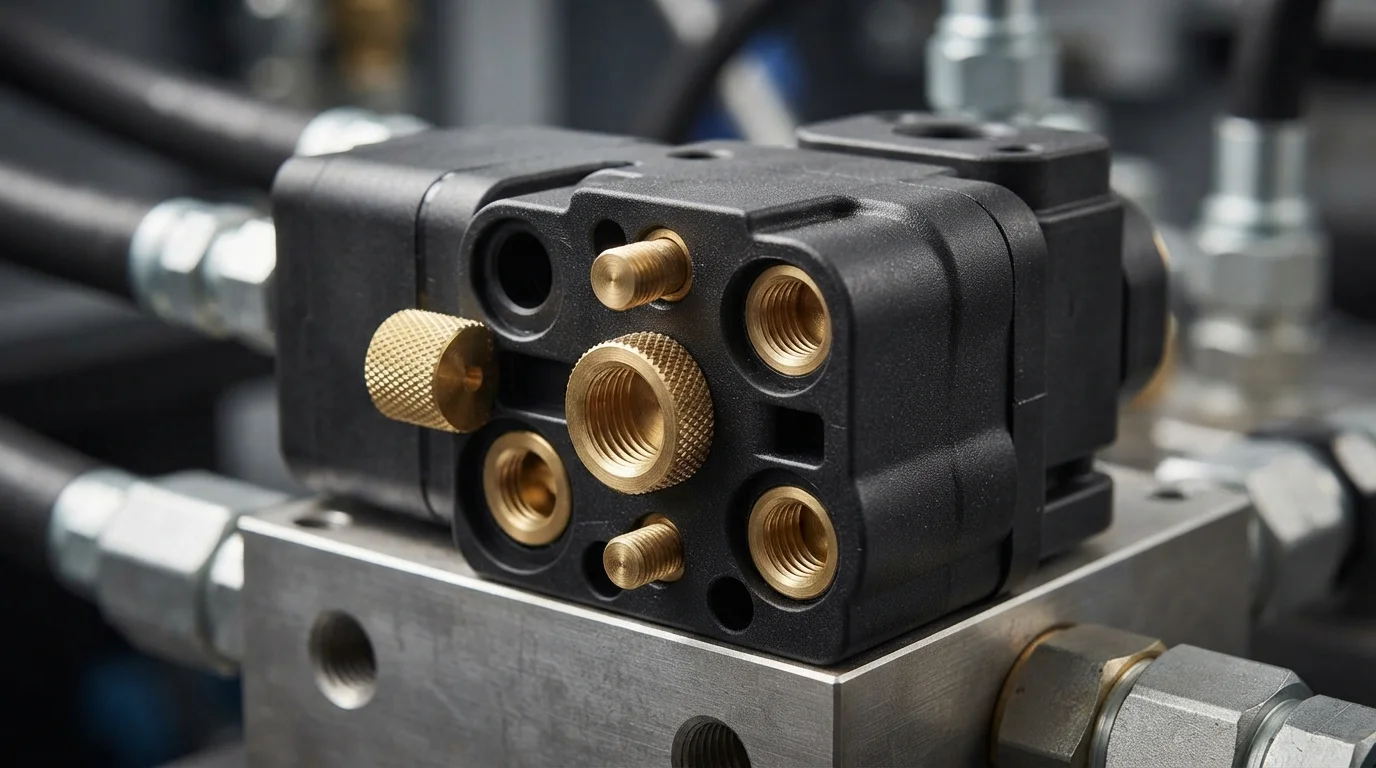
Industrial automation hardware relies on knurled threaded bosses embedded into heavy-duty plastic housings to accept high-torque machine screws. Encapsulating pre-machined brass inserts during the primary molding cycle delivers superior pull-out resistance compared to post-mold heat-staking.
Solenoid valve bodies and hydraulic manifolds incorporate embedded electrical coil pins and metal pressure ports in a single molding operation. Solid polymer encapsulation protects sensitive copper wiring from industrial oils, vibration, and moisture ingress. Reviewing diverse insert molding applications demonstrates how integrated metal-plastic design lowers overall manufacturing expenses while raising hardware reliability.
Key industrial mechatronic design steps include:
- Knurled brass insert positioning—Securing brass fasteners over mold core pins guarantees exact thread orientation.
- Hermetic coil pin sealing—Flowing polymer around solenoid coil leads establishes fluid-tight seals without O-rings.
- Pressure port encapsulation—Embedding threaded steel pressure ports inside plastic manifold bodies increases burst pressure limits.
- Automated terminal inspection—Scanning contacts with optical vision systems verifies 100% pin straightness before shipment.
Часто задаваемые вопросы (FAQ)
Why is insert molding preferred for EV battery busbar encapsulation?
Insert molding provides continuous dielectric insulation around high-current copper busbars without manual wrapping. Polymer encapsulation seals the metal against moisture and vibration while maintaining strict electrical creepage distances required for 800V automotive architectures.
How do encapsulated surgical tool handles withstand autoclave sterilization?
Overmolding stainless steel tool shafts with high-temperature biocompatible thermoplastics creates a seamless bond that prevents steam and fluid ingress. Eliminating crevices prevents bio-burden accumulation, allowing the surgical handle to survive hundreds of high-pressure autoclave cycles without delaminating.
What is the benefit of molding knurled brass inserts directly into industrial housings?
In-mold brass insert encapsulation delivers significantly higher rotational torque and axial pull-out resistance than post-mold heat-staking. Molten plastic shrinks tightly around deep diamond knurling during cooling, creating an unbreakable mechanical interlock for heavy-duty screw fastening.