
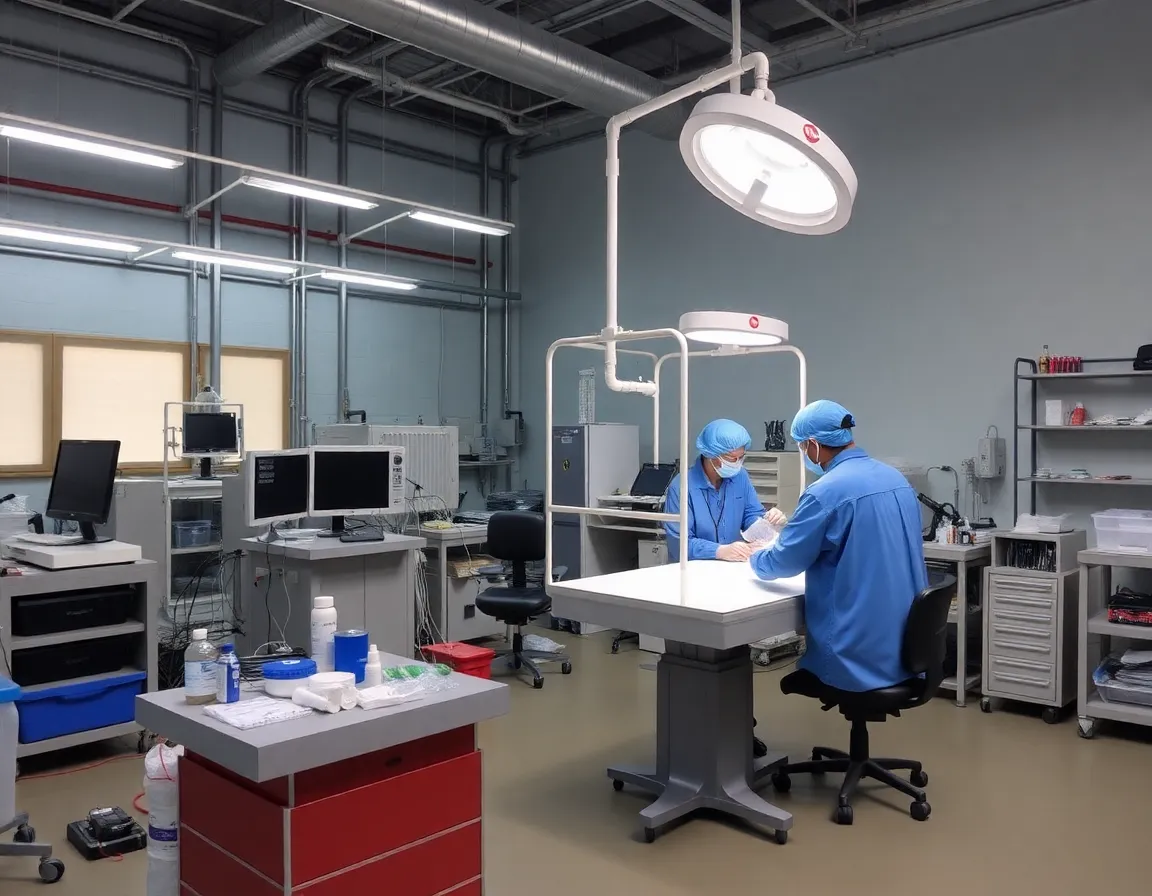
Introducción: La columna vertebral de la odontología moderna
La práctica dental moderna es una maravilla de la ingeniería de precisión. Desde la pieza de mano de alta velocidad que esculpe una corona hasta el escáner digital que captura una impresión perfecta, cada procedimiento depende de una interacción compleja de maquinaria especializada. Para los fabricantes y profesionales de mantenimiento en la industria dental, la calidad del producto final es tan buena como los proveedor de componentes para equipos dentales que eligen trabajar. Abastecerse de componentes de manera confiable no es simplemente una cuestión de logística; es un factor crítico que determina la seguridad del paciente, la precisión clínica, la longevidad del equipo y el cumplimiento normativo.
En una industria donde un solo mal funcionamiento puede llevar a un procedimiento comprometido o a un tiempo de inactividad costoso, es esencial comprender qué componentes exigen el mayor nivel de escrutinio en el abastecimiento. Este artículo profundiza en los cinco componentes principales de equipos dentales que deben obtenerse de un proveedor de confianza proveedor de componentes para equipos dentales. We will explore what each component is, how it functions, why sourcing reliability is non-negotiable, and best practices for procurement.
1. High-Speed Handpiece Turbines and Bearings
What They Are and How They Work
The handpiece is the workhorse of any dental operatory. At its core lies the turbine assembly, which consists of a rotor, blades, and a set of miniature precision bearings. Compressed air drives the turbine, spinning the bur at speeds exceeding 400,000 RPM. This incredible rotational velocity allows for efficient cutting of enamel, dentin, and restorative materials. The bearings, often ceramic or stainless steel, are the critical components that enable this frictionless, high-speed rotation.
Why Reliable Sourcing is Critical
Handpiece bearings are subject to extreme stress. A bearing failure during a procedure can cause the bur to seize, generating intense heat that can damage the tooth pulp or even fracture the bur. Furthermore, a substandard bearing will quickly lose its lubrication, leading to excessive vibration, noise, and eventual catastrophic failure. A reputable proveedor de componentes para equipos dentales provides bearings that meet exacting ISO standards for dimensional accuracy, material purity, and lubrication life. Sourcing counterfeit or inferior bearings can void warranties, increase repair costs, and create a significant patient safety risk.
Best Practices for Sourcing
- Demand Certifications: Always request material certifications (e.g., for ceramic grade or stainless steel composition) and bearing tolerance specifications.
- Verify Manufacturer Origin: Many high-quality bearings are manufactured in Switzerland, Germany, or Japan. Verify the supply chain to avoid re-labeled or counterfeit products.
- Test for Run-Out: Implement a quality control process to measure the radial and axial run-out of incoming bearing lots. Excessive run-out is a primary cause of handpiece vibration.
- Choose a Supplier with Technical Support: Un proveedor confiable ofrecerá orientación sobre los tipos de lubricación y el par de instalación, que afectan directamente la vida útil del rodamiento.
2. Componentes del Compresor Dental (Sellos de Pistón y Válvulas)
What They Are and How They Work
El compresor dental es el corazón del sistema de aire del consultorio, proporcionando aire comprimido limpio, seco y libre de aceite para piezas de mano, scalers y jeringas de tres vías. Los componentes clave dentro del compresor incluyen sellos de pistón (o anillos de pistón) y válvulas de entrada/salida. Los sellos de pistón crean una barrera hermética entre el pistón y la pared del cilindro, comprimiendo el aire. Las válvulas controlan la admisión y el escape de aire, asegurando una entrega de presión eficiente y constante. En compresores libres de aceite, estos componentes a menudo están hechos de polímeros avanzados como PTFE o PEEK.
Why Reliable Sourcing is Critical
Una falla del compresor puede detener toda la práctica. Un sello de pistón desgastado permitirá que el aire se escape por el pistón, reduciendo drásticamente la presión y haciendo que el compresor funcione continuamente, lo que lleva a sobrecalentamiento y quemado del motor. De manera similar, una válvula defectuosa puede causar fluctuaciones de presión que dañan las turbinas sensibles de las piezas de mano. Los materiales de sellos contaminados o de baja calidad también pueden liberar compuestos orgánicos volátiles (COV) en el suministro de aire, lo que potencialmente causa irritación respiratoria al paciente. Un proveedor de confianza proveedor de componentes para equipos dentales asegura que los sellos y válvulas estén fabricados con materiales de grado médico, sin emisión de gases, que sean compatibles con el modelo específico del compresor.
Best Practices for Sourcing
- Especificar el Grado del Material: Insistir en materiales que cumplan con la FDA para el manejo de aire y que tengan características documentadas de bajo desgaste.
- Solicitar Tolerancias Dimensionales: Los sellos del compresor deben ajustarse dentro de micras. Un proveedor debe proporcionar datos dimensionales detallados y demostrar una calidad consistente de lote a lote.
- Evaluar Datos de Longevidad: Solicitar datos de prueba que muestren las horas operativas esperadas antes de la falla (por ejemplo, 5,000 a 10,000 horas para un sello de calidad).
- Considerar Kits: Un proveedor confiable a menudo ofrece kits completos de reconstrucción (sellos, válvulas, juntas) para modelos específicos de compresores, simplificando la adquisición y asegurando la compatibilidad.
3. Actuadores y Cilindros Hidráulicos de Sillones Dentales
What They Are and How They Work
Los sillones dentales son piezas complejas de equipo ergonómico que deben proporcionar un posicionamiento preciso tanto para la comodidad del paciente como para el acceso del clínico. Los componentes principales responsables de este movimiento son los actuadores y los cilindros hidráulicos. Los actuadores lineales eléctricos utilizan un motor y un husillo para elevar, bajar e inclinar suavemente el sillón. Los cilindros hidráulicos, que a menudo se encuentran en modelos más antiguos o de servicio pesado, utilizan presión de fluido para lograr el mismo movimiento. Estos componentes deben manejar cargas significativas (a menudo 300-500 libras) mientras proporcionan una operación silenciosa y libre de vibraciones.
Why Reliable Sourcing is Critical
Un actuador o cilindro hidráulico defectuoso durante un procedimiento es un peligro grave para la seguridad. Una caída repentina del sillón puede lesionar al paciente o interrumpir un procedimiento quirúrgico delicado. Además, un cilindro hidráulico con fugas puede exponer a pacientes y personal a un fluido hidráulico potencialmente irritante. Obtener estos componentes de un proveedor de confianza proveedor de componentes para equipos dentales es esencial porque deben cumplir rigurosos estándares de seguridad (por ejemplo, marcado CE, listado UL). También deben estar diseñados para un movimiento suave sin tirones, lo que requiere sellos de alta calidad, pistones mecanizados con precisión y devanados de motor robustos.
Best Practices for Sourcing
- Verifique las certificaciones de seguridad: Asegúrese de que los componentes hayan pasado las pruebas de seguridad relevantes para capacidad de carga, funcionalidad de parada de emergencia y resistencia a fugas.
- Verifique las clasificaciones IP: Los actuadores en los sillones dentales pueden estar expuestos a saliva, desinfectantes y agua. Busque componentes con clasificaciones de protección de ingreso IP54 o superiores.
- Evalúe la vida útil del ciclo: Solicite datos sobre el número esperado de ciclos operativos (por ejemplo, 50,000 a 100,000 ciclos) antes de que se requiera mantenimiento.
- Priorice la personalización: Un buen proveedor puede proporcionar actuadores con longitudes de carrera personalizadas, soportes de montaje y sensores de retroalimentación (por ejemplo, sensores de efecto Hall para control de posición).
4. Sensores de imagen y tubos de rayos X
What They Are and How They Work
La radiografía digital ha revolucionado el diagnóstico dental. Los dos componentes críticos aquí son el tubo de rayos X (en la unidad intraoral o panorámica) y el sensor digital (CMOS o CCD). El tubo de rayos X genera un haz de radiación controlado que atraviesa las estructuras orales del paciente. El sensor digital captura la radiación atenuada y la convierte en una señal electrónica, que luego se procesa en una imagen de alta resolución. Estos componentes son altamente especializados y requieren fabricación precisa para garantizar la calidad de imagen y la seguridad del paciente.
Why Reliable Sourcing is Critical
Un tubo de rayos X poco confiable puede producir una salida de radiación inconsistente, lo que lleva a imágenes subexpuestas o sobreexpuestas y potencialmente requiere exposiciones repetidas (aumentando la dosis de radiación al paciente). Un sensor digital defectuoso puede producir artefactos, píxeles muertos o ruido de imagen, comprometiendo la precisión diagnóstica. Además, los tubos de rayos X falsificados o de calidad inferior pueden carecer de blindaje adecuado, lo que representa riesgos de fuga de radiación. Un proveedor certificado proveedor de componentes para equipos dentales proporcionará componentes que cumplan con estrictas regulaciones de seguridad radiológica (por ejemplo, FDA, IEC 60601) y ofrezcan resolución de imagen garantizada (por ejemplo, 20 lp/mm para sensores intraorales).
Best Practices for Sourcing
- Solicite documentos de cumplimiento de radiación: El proveedor debe proporcionar documentación que demuestre que el tubo de rayos X cumple con las normas locales e internacionales de seguridad radiológica.
- Solicite datos de mapeo de píxeles: Para los sensores, solicite un mapa de píxeles que muestre que no hay píxeles muertos o atascados. También es esencial una garantía contra fallas de píxeles.
- Pruebe la uniformidad de la imagen: Implemente una prueba de control de calidad simple capturando una imagen de un maniquí uniforme y analizando si hay granulosidad o inconsistencias de sombreado.
- Elija un proveedor con servicios de calibración: Algunos proveedores ofrecen servicios de calibración para tubos de rayos X y sensores, lo que garantiza precisión y rendimiento a largo plazo.
5. Componentes del sistema de succión (bombas y separadores)
What They Are and How They Work
El sistema de succión dental es fundamental para mantener un campo operatorio claro al eliminar saliva, sangre, desechos y aerosoles. Los componentes principales son la bomba de vacío (de paletas secas, lubricada por aceite o de anillo de agua) y el separador de amalgama. La bomba de vacío crea la presión negativa necesaria para extraer los fluidos a través de las líneas de succión. El separador de amalgama es un dispositivo de cumplimiento ambiental que captura partículas de amalgama que contienen mercurio de la corriente de desechos, evitando que ingresen al suministro de agua municipal. Estos sistemas deben funcionar de manera continua y confiable durante todo el día.
Why Reliable Sourcing is Critical
Una bomba de vacío defectuosa puede provocar una pérdida total de succión en medio de un procedimiento, lo que causa una interrupción clínica significativa y posibles riesgos de aspiración para el paciente. Un separador de amalgama defectuoso puede generar multas ambientales severas y daños a la reputación de la práctica. Los componentes de estos sistemas, como las paletas de la bomba, los rodamientos del motor y los filtros del separador, están sujetos a desgaste por desechos y humedad. Un proveedor confiable proveedor de componentes para equipos dentales proporciona piezas diseñadas específicamente para el ciclo de trabajo de alto rendimiento y el entorno corrosivo de la succión dental, utilizando materiales como aluminio anodizado, acero inoxidable y polímeros resistentes a productos químicos.
Best Practices for Sourcing
- Verifique el cumplimiento de la norma ISO 11143: Los componentes del separador de amalgama deben cumplir con los estándares ISO 11143 para la eficiencia de eliminación de mercurio (típicamente >95%).
- Evalúe el material de las paletas de la bomba: Para las bombas de paletas secas, el material de las paletas (a menudo grafito de carbono) debe obtenerse con tasas de desgaste consistentes. Solicite hojas de datos de materiales.
- Evaluar la calidad del motor: El motor de la bomba de vacío debe ser un motor de servicio continuo (clasificación S1) para manejar largas horas de operación sin sobrecalentamiento.
- Buscar compatibilidad de filtros: Asegúrese de que los filtros de repuesto para el separador de amalgama sean piezas de ajuste exacto para evitar el paso de agua contaminada con mercurio.
Conclusión: Construyendo una cadena de suministro confiable
El abastecimiento de los cinco componentes principales discutidos aquí—turbinas y rodamientos de la pieza de mano, sellos y válvulas del compresor, actuadores y cilindros del sillón, sensores de imagen y tubos de rayos X, y bombas y separadores del sistema de succión—requiere un enfoque estratégico. El costo de un componente fallido va mucho más allá del precio de compra; incluye tiempo clínico perdido, insatisfacción del paciente, posibles incidentes de seguridad y daño a la reputación de la marca.
Para construir una cadena de suministro verdaderamente confiable, los fabricantes de equipos dentales y las organizaciones de servicio deben asociarse con un proveedor de componentes para equipos dentales que demuestre transparencia en el abastecimiento, control de calidad riguroso, experiencia técnica, y disponibilidad constante de inventario. Realizar auditorías periódicas de proveedores, mantener un stock de seguridad de piezas críticas y establecer contratos a largo plazo con proveedores comprobados son mejores prácticas que asegurarán que su equipo funcione a su máximo rendimiento, día tras día. En el mundo acelerado de la odontología moderna, los componentes confiables no son solo una conveniencia—son una necesidad clínica.