
Precision Two-Shot (2K) Injection Molding
Core Benefits of Two-Shot Molding
Reduced Assembly Costs
Material Bonding Depends on the Pair
Enhanced Aesthetics & Grip
What is 2K Molding & How it Works
Project-Specific Parameters to Confirm
| Project detail | Confirm for each project |
|---|---|
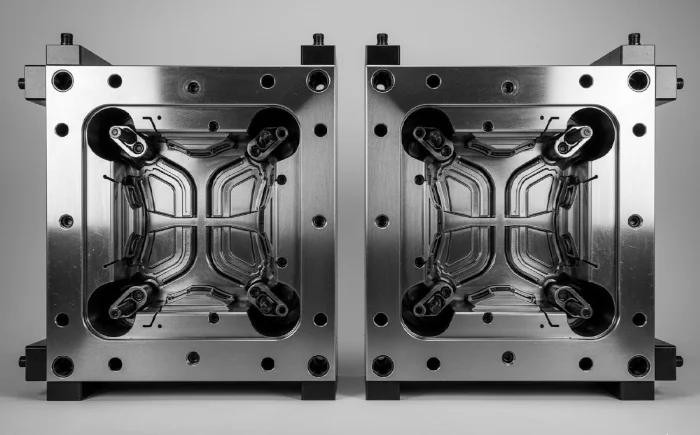
| Clamping force | Review part size, projected area, material, and tooling concept. |
| Tool transfer | Assess rotary index, core-back, or another approach from CAD and part geometry. |
| Material pair and bond | Confirm resin grades and validate bond performance for the application. |
| Dimensions and tolerances | Define critical dimensions and review capability against project requirements. |
| Tool life and schedule | Confirm expected volume, maintenance plan, sampling, and timeline during quotation. |
| Specification | Jucheng Capability |
|---|---|
| Clamping Force Range | 50 Tons to 650 Tons |
| 2K Tooling Methods | Rotary Table, Core-Back, Robotic Transfer |
| Standard Tolerances | ±0.05 mm (Tighter tolerances achievable depending on material) |
| Mold Life Guarantee | Up to 1,000,000+ shots (SPI Class 101/102 Production Tooling) |
| Lead Time (T1 Samples) | As fast as 15-20 Business Days for complex 2K Molds |
Plan a Two-Shot Molding Project
Before quoting a two-shot part, align on:
- 3D CAD and 2D drawing, including critical dimensions
- Resin grades for both shots, colors, and soft-touch requirements
- Bonding or sealing expectations and test criteria
- Annual volume, appearance requirements, and operating environment
A feasibility review can then address the material interface, tooling concept, validation plan, and quote assumptions. Specific equipment, tolerances, certifications, and lead times must be confirmed for each project.
Choosing Materials for Two-Shot Molding
Assess each resin grade
Material-pair lists are only starting points. Adhesion depends on the exact resin grades, additives, surface condition, interface geometry, and molding conditions. Check current supplier data and validate the proposed pair with part-specific testing before production.
When direct adhesion is not enough
Some designs may need mechanical features or a separate joining step, depending on resin grades and performance requirements. Review the design and validate the finished part; metal inserts are a separate insert-molding approach and should not be treated as a two-shot material pair.
DFM Best Practices for 2K Designs
Wall sections: Review wall transitions against the selected resin, geometry, and cosmetic requirements. Uneven sections can affect filling, cooling, sink, and warpage; confirm the design with project-specific analysis.
Material interface: Define the boundary between materials and the required edge, shut-off, and appearance. Exact geometry depends on part design, selected resins, and tooling review.
Shrinkage and warpage: Compare the selected grades using current supplier data and account for their behavior in the part design. Confirm critical dimensions and performance through the agreed validation plan.
Two-Shot Molding Applications
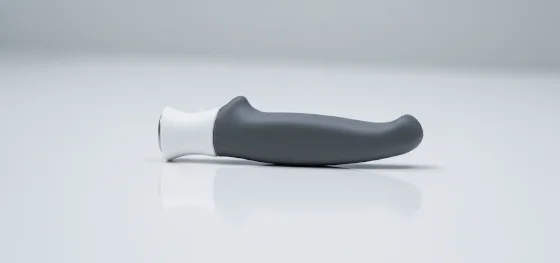
Medical Devices
Automotive Interiors
Consumer Electronics
Two-Shot Injection Molding FAQs
How do material combinations affect two-shot bonding?
A reliable bond depends on the specific resin grades, interface design, and processing conditions. Materials that appear compatible by family name may still need validation. Share the grades and part design so the combination can be reviewed; testing may be needed before production.
When are a rotary index or core-back approach considered?
The tool sequence depends on part geometry, where the second material is placed, and how the first shot is transferred or repositioned. A CAD review is needed to compare a rotary index, core-back, or another approach; the suitable method depends on the part and tooling design.
What should buyers include in a two-shot molding RFQ?
Provide the 3D model and drawings, target resins or grades, hard/soft or color interface, expected annual volume, critical dimensions, appearance and environment requirements, and any validation standards. The supplier can then review feasibility, tooling scope, and quote assumptions.