
SPI Polishing
Achieving flawless optical clarity and premium piano-black mirror finishes in plastic components requires meticulous adherence to Society of the Plastics Industry (SPI) polishing protocols. From A-1 grade diamond-buff mirror finishes with a surface roughness of Ra 0.012–0.025 μm to functional C-3 stone-ground matte surfaces, each grade serves specific cosmetic and functional purposes. At Jucheng Precision, we specialize in progressive hand-polishing and precision tooling. Utilizing high-purity S136 and NAK80 mold steels and in-house 5-axis CNC machining, we eliminate parting-line defects, gate blush, and shear stress, ensuring pristine parts verified by Zeiss CMM.
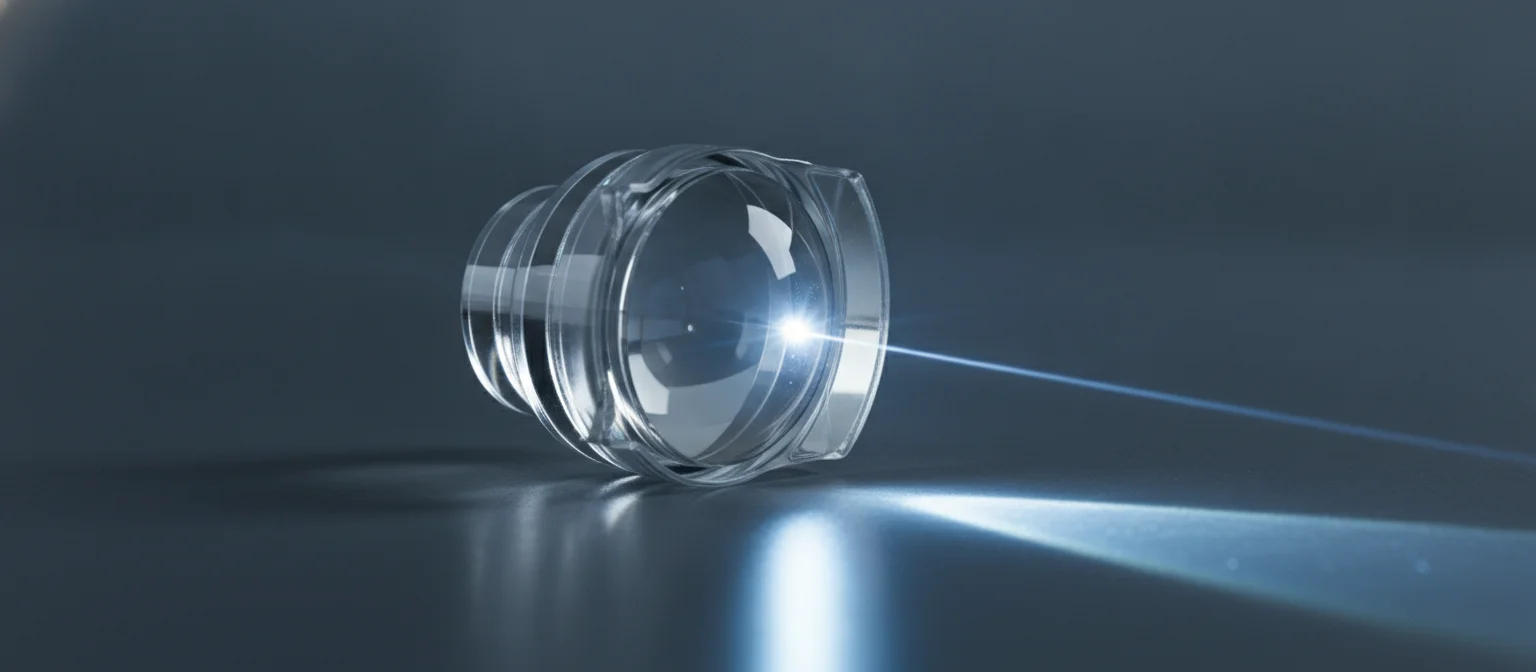
SPI Polishing Classifications & Surface Roughness Matrix
The Society of the Plastics Industry (SPI) defines 12 standard mold finish grades grouped into four distinct categories, ranging from high-gloss mirror finishes to matte stone-ground textures:
| SPI Grade | Polishing Method / Medium | Roughness (Ra) | Required Mold Steel |
|---|---|---|---|
| A-1 (Super Mirror) | Grade #3 Diamond Buffing Compound | 0.012 – 0.025 µm | Hardened S136 / NAK80 (52 HRC) |
| A-2 (High Mirror) | Grade #6 Diamond Buffing Compound | 0.025 – 0.050 µm | Hardened S136 / H13 |
| A-3 (Standard Mirror) | Grade #15 Diamond Buffing Compound | 0.050 – 0.100 µm | S136 / NAK80 |
| B-1 (Fine Semi-Gloss) | 600 Grit Paper Polishing | 0.050 – 0.100 µm | S136 / H13 / NAK80 |
| B-2 (Medium Semi-Gloss) | 400 Grit Paper Polishing | 0.100 – 0.150 µm | Standard P20 / 718H |
| B-3 (Regular Semi-Gloss) | 320 Grit Paper Polishing | 0.150 – 0.200 µm | Standard P20 / 718H |
| C-1 (Fine Matte) | 600 Grit Stone Polishing | 0.350 – 0.400 µm | Standard P20 / 718H |
| C-2 (Medium Matte) | 400 Grit Stone Polishing | 0.450 – 0.550 µm | Standard P20 / 718H |
| C-3 (Regular Matte) | 320 Grit Stone Polishing | 0.650 – 0.750 µm | Standard P20 / 718H |
SPI Polish Grade Applications & Material Compatibility
Selecting the correct SPI polishing grade is critical to prevent dynamic friction, parting line flash, or ejection demolding defects:
| Application Class | Target SPI Grade | Compatible Polymers & Assemblies |
|---|---|---|
| Clear Optics & Lenses | SPI A-1 / A-2 | Highly compatible with transparent resins like PMMA, COC/COP, and optical PC (Makrolon 2407). Used for surveillance domes, camera prisms, and lenses. |
| High-Gloss Cosmetics | SPI A-3 / B-1 | Specified for high-gloss black ABS housings (POLYLAC PA-757), consumer electronics, luxury cosmetic jars, and automotive trim bezels. |
| Functional Matte & Sliding Parts | SPI B-2 / C-1 | Ideal for low-friction POM sliders (Delrin 500P), structural Nylon connectors (Zytel 101L), and internal brackets where high gloss is not required. |
Dynamic Molding: Tooling and Flow Control for Mirror Finishes
Achieving a flawless SPI A-1 mirror finish requires deep-rooted expertise in polymer crystallization and precision tool steel treatment:
Hardened S136 Tool Steel Core
To prevent microscopic pitting or micro-voids during diamond buffing, we use high-purity S136 stainless steel heat-treated to 52 HRC. This hardened substrate allows our master polishers to reach a flawless Ra 0.012 µm surface roughness, crucial for medical and optical components.
Conformal Cooling & Stress Relief
Highly polished parts are prone to stress cracking and internal birefringence. Using our 5-axis CNC machines, we mill uniform conformal cooling lines directly behind cavity walls. This prevents uneven cooling, controls high volumetric shrinkage, and eliminates thermal warpage.
Ejection and Draft Angle Optimization
High-gloss A-1 parts create strong vacuum suction against core blocks. We design generous draft angles (minimum 1.5° to 2°) and integrate wide air-assisted ejection poppets or stripper plates. This prevents dynamic release drag marks and scuffs from ruining highly polished surfaces.