
Liquid Silicone Rubber (LSR) Molding
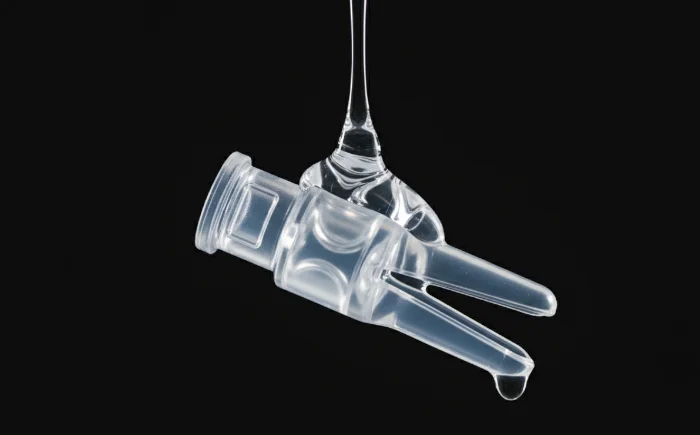
The Thermoset Difference
Unlike traditional thermoplastic injection molding where solid pellets are melted and injected into a cold mold, Liquid Silicone Rubber (LSR) molding is a thermoset process.
A two-part liquid compound (Part A and Part B) is mixed at a precise 1:1 ratio and injected cold into a highly heated mold. The heat triggers a chemical cross-linking reaction (vulcanization), curing the liquid into a permanent, highly resilient solid elastomer.
Once cured, an LSR component cannot be melted down and reformed. This permanent chemical structure gives LSR its legendary resistance to extreme temperatures, UV light, and harsh chemicals.
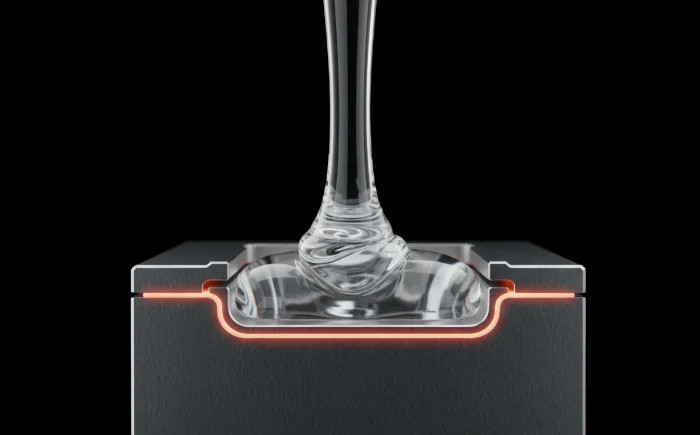
The Flash-Free Tooling Requirement
25+ 5-Axis CNC Machines
To achieve a flash-free 5-micron seal, molds must be machined with absolute perfection. Jucheng does not outsource. Our in-house tool room utilizes advanced Haas and Mazak 5-axis centers to machine mold cores and cavities from hardened steel to sub-micron accuracy.
Vacuum Assisted Molding
Because LSR cures rapidly in a hot mold, any trapped air will cause short shots or burns. Our tooling experts design precision O-ring sealed molds integrated with high-performance vacuum pumps to evacuate 100% of the air before injection begins.
Zeiss CMM Verification
Every LSR mold we build undergoes rigorous inspection in our metrology lab. We use advanced Zeiss Coordinate Measuring Machines to verify that every shut-off surface matches the CAD data flawlessly before moving to T1 sampling.
Cold Runner Systems
To eliminate material waste and prevent premature curing in the feed system, our engineers design sophisticated cold runner blocks. This ensures only the silicone inside the heated cavity vulcanizes, maximizing material efficiency.
LSR vs. TPE: Which Elastomer is Right for You?
| Property | Liquid Silicone Rubber (LSR) | Thermoplastic Elastomer (TPE) |
|---|---|---|
| Operating Temperature | -55°C to +250°C (Extreme Stability) | -30°C to +100°C (Melts at high heat) |
| Compression Set | Excellent (Maintains shape and sealing force indefinitely) | Poor to Fair (Loses sealing force over time) |
| Biocompatibility | Exceptional (ISO 10993, USP Class VI ready) | Good (But limits exist for implantation) |
| UV & Ozone Resistance | Outstanding (Will not crack or degrade outdoors) | Moderate (Can degrade with prolonged exposure) |
| Tooling Cost | Higher (Requires tight tolerances & heating systems) | Lower (Uses standard injection molds) |
LSR Applications Across Demanding Industries
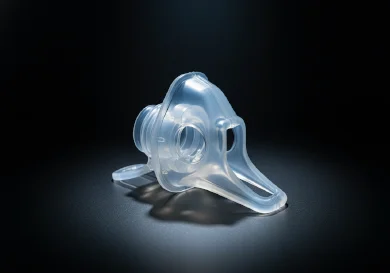
Medical & Healthcare
Manufacturing under ISO 13485 standards, we mold biocompatible LSR seals, duckbill valves, and respiratory masks that withstand repeated autoclave sterilization.
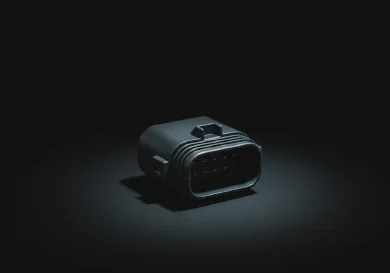
Automotive Components
Meeting IATF 16949 requirements, we produce spark plug boots, electrical connector seals, and vibration dampeners that survive extreme under-the-hood temperatures.
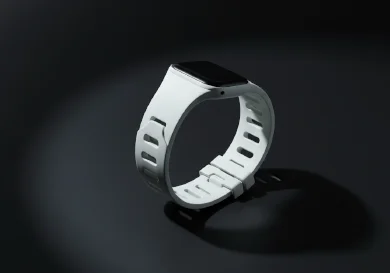
Consumer Wearables
We mold skin-safe, hypoallergenic smartwatch bands and IP68 waterproof gaskets for rugged electronics, ensuring absolute comfort and durability.