
Modern product design increasingly demands components that combine multiple material properties, colors, or functional layers within a single integrated structure.
Traditional manufacturing relies on separate single-material molding followed by secondary manual assembly, introducing tolerance stack-up errors, alignment risks, and higher long-term labor costs.
Multi-material processing resolves these challenges by enabling distinct polymers to fuse together inside a single continuous manufacturing cycle.

Executing two shot injection molding—frequently called 2K molding or dual-shot molding—involves injecting two distinct thermoplastics into a unified mold tool during one continuous machine cycle.
JUCHENG operates as a vertically integrated contract manufacturer, translating complex 2K product concepts into precision hardware components under certified quality systems.
Table of Contents
How Two Shot Injection Molding Works & Tooling Precision
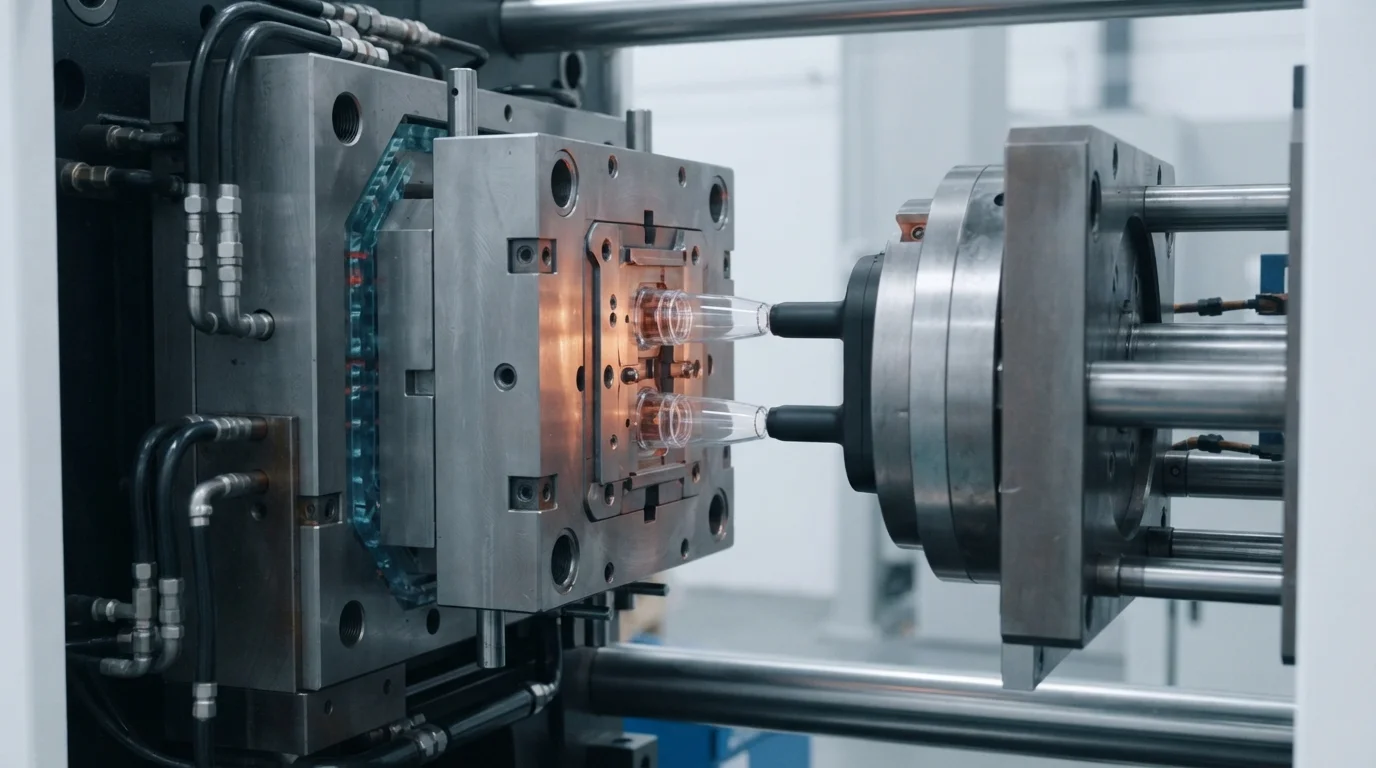
Primary injection forms the structural substrate, typically utilizing rigid thermoplastics like polycarbonate (PC), ABS, or glass-filled polyamide (PA66).
Once the first shot cools, the mold platen indexes 180 degrees using a precision rotary unit.
Secondary injection then injects a soft elastomer such as thermoplastic elastomer (TPE) or thermoplastic polyurethane (TPU) directly onto the warm substrate, forming a permanent molecular bond.
Tooling fabrication directly dictates the shut-off precision and flash-free encapsulation of 2K components.
Our 8,000 square meter facility houses an in-house tool room equipped with 25 sets of 5-axis CNC machines, high-speed sinker EDM cutters, and precision surface grinders.
Cutting 2K mold cores internally maintains fabrication tolerances of ±0.01 mm, ensuring that rotary shut-off steel prevents soft rubber from flashing over rigid substrate boundaries.
Machining durable multi-shot mold cavities utilizes premium hardened steels including S136 stainless steel and H13 tool steel, heat-treated to HRC 48-52.
These corrosion-resistant steels withstand abrasive fillers and acidic outgassing, allowing us to build SPI Class 101 molds guaranteed for over 1,000,000 production cycles.
Implementing Decoupled Molding principles isolates filling, packing, and holding stages, achieving CpK & PpK > 1.67 on critical sealing boundaries.
Polymer Compatibility and Interfacial Chemical Bonding Chemistry
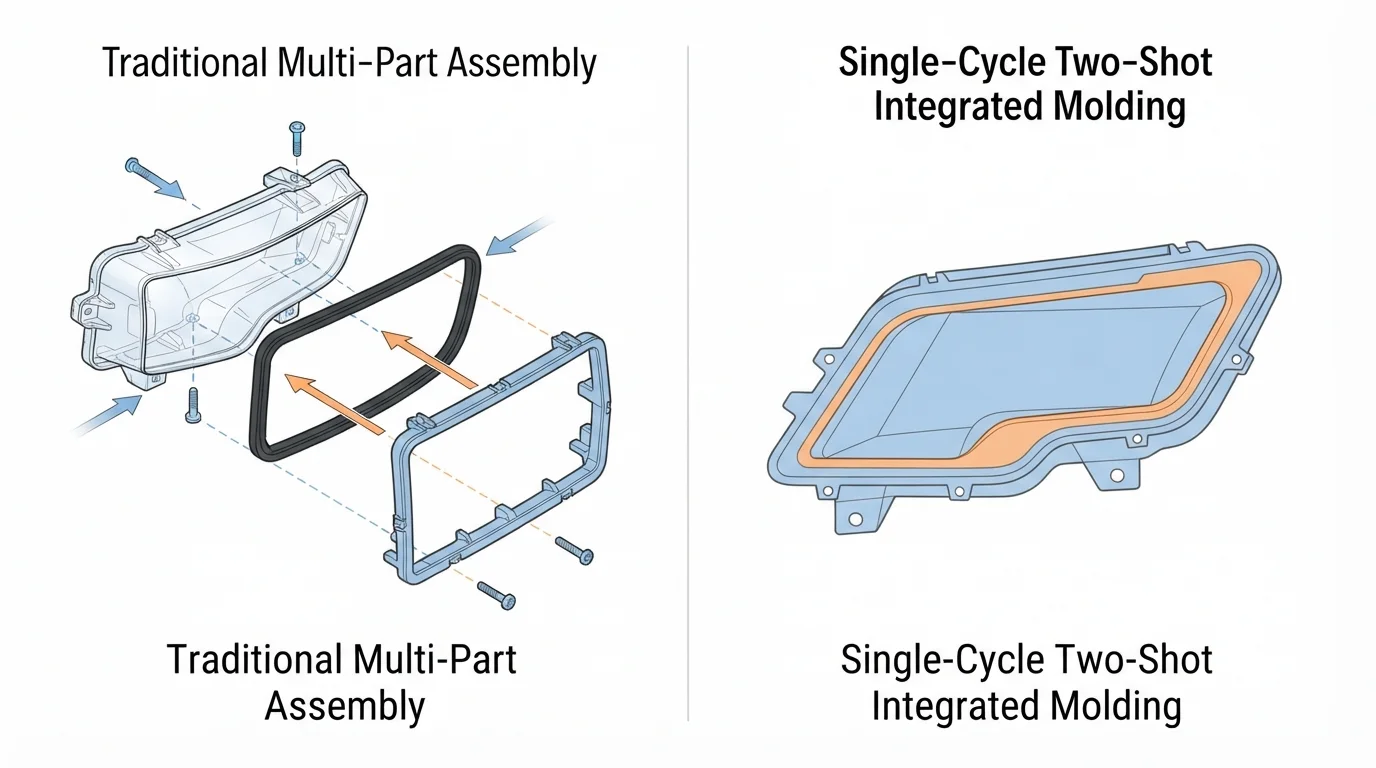
Adhesion strength between the substrate and overmold determines component structural durability.
Chemical bonding occurs when compatible polymer families share similar solubility parameters and melt temperatures.
During the second shot, molten TPE or TPU melts the outer skin layer of the rigid substrate, promoting interfacial molecular diffusion and polymer chain entanglement.
Incompatible material pairings—such as unfilled polyolefins paired with polar engineering resins—cannot form chemical bonds naturally.
When chemical compatibility is poor, our tooling designers incorporate mechanical interlocks like dovetails, undercuts, or mechanical through-holes.
Mechanical anchors physically lock the second material onto the substrate, preventing interfacial delamination under dynamic peel stresses.
| Rigid Substrate Material | Compatible Overmold (TPE/TPU) | Bonding Mechanism | Engineering Recommendation |
|---|---|---|---|
| ABS / PC+ABS Alloys | SEBS-based TPE / TPU | Excellent Chemical Fusion | Maintain 2nd shot melt temp 10-20°C below PC/ABS Tg. |
| Polycarbonate (PC) | Ester-based TPU / TPE | Strong Molecular Diffusion | Preheat mold substrate cavity to 70-90°C. |
| Polyamide 66 (PA66-GF) | Adhesion-Modified TPE / Santoprene | Moderate Chemical + Mechanical | Incorporate mechanical undercuts or dovetails. |
| Polypropylene (PP) | Olefinic TPE / TPV | Good Non-Polar Fusion | Avoid polar elastomers; ensure clean parting lines. |
Automotive and Medical Quality Standards
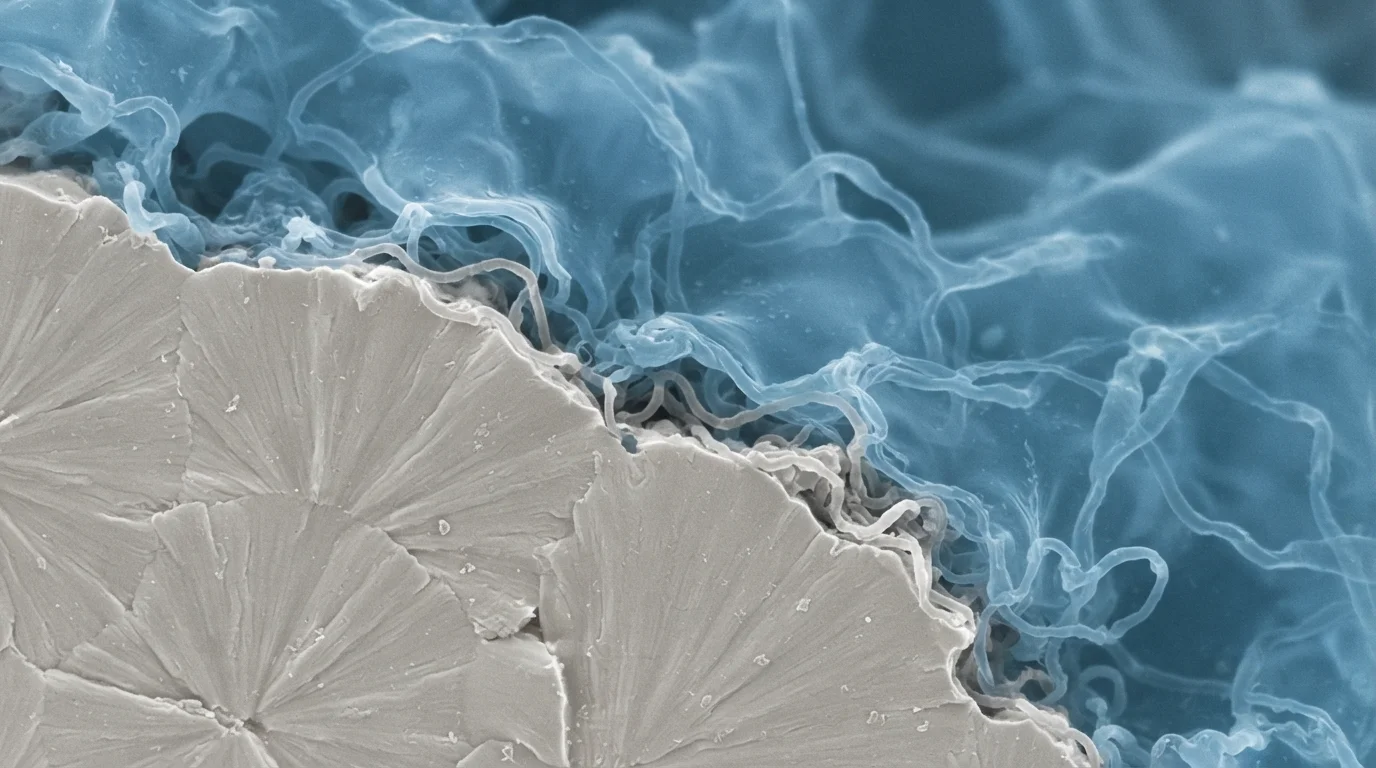
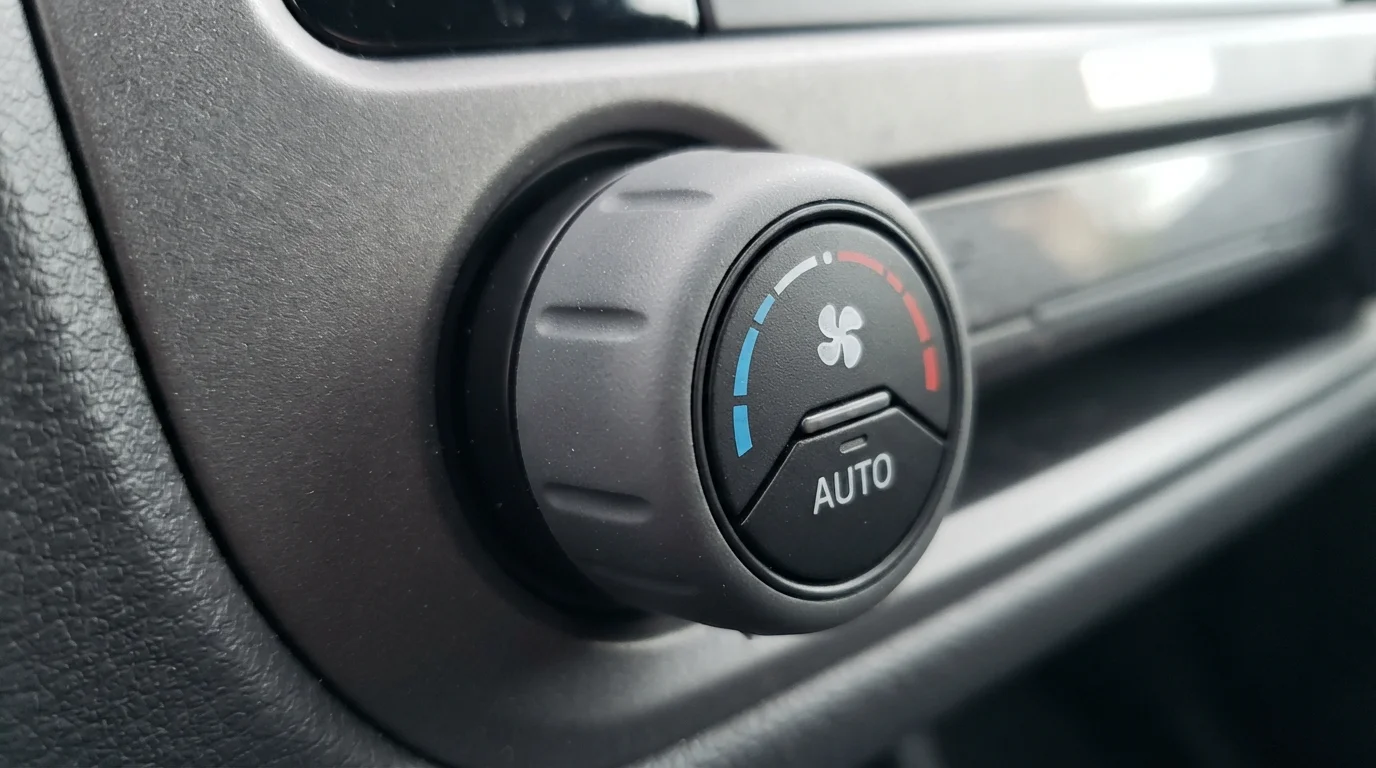
Automotive applications heavily utilize multi-material molding for interior control knobs, ergonomic door handles, and IP67 weather seals.
Quality verification protocols conform to IATF 16949 automotive standards, supplying complete PPAP Level 3 documentation packages including Failure Mode and Effects Analysis (FMEA), process control plans, and raw material Certificate of Analysis (COA) records.
Medical device manufacturers rely on two shot injection molding for surgical tool handles, fluidic diagnostic cartridges, and self-sealing septum caps.
Operating an ISO Class 8 cleanroom molding department under ISO 13485 certification protects sterile 2K components from airborne particulate contamination during molding and drop-packaging.
Metrology inspections utilize automated Zeiss CMM machines with scanning precision of ±0.003 mm, OGP optical measurement systems, and online moisture analyzers.
Every production lot undergoes complete First Article Inspection (FAI) reporting and 100% material traceability verification.
Scaling from Prototyping to High-Volume Production
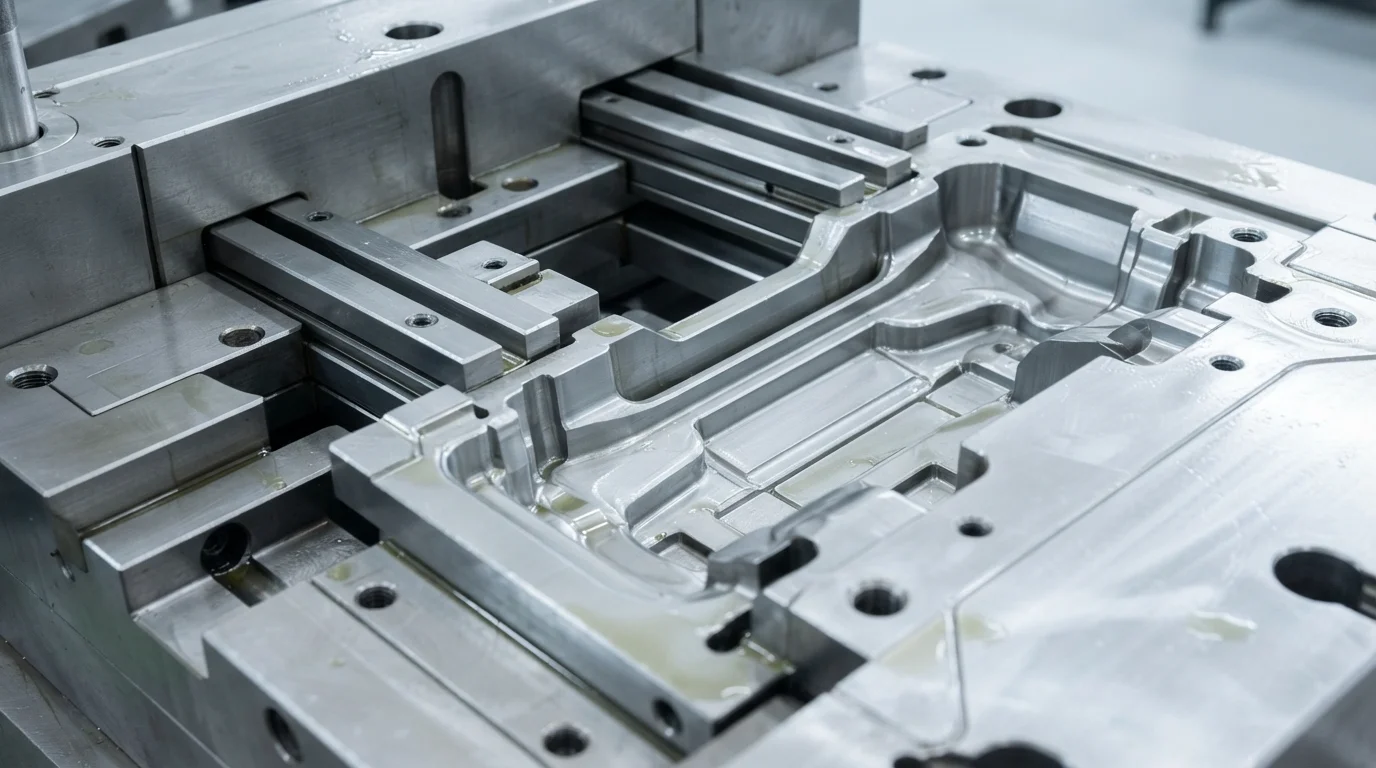
Evaluating 2K molding options allows product development teams to balance upfront NRE budgets against long-term unit cost targets.
Machine clamping capacity ranges from 15T to 3000T across 35+ automated injection presses equipped with independent dual barrels and hydraulic or servo-electric rotary platens.
Rapid 2K bridge tooling delivers functional prototype samples in as fast as 7 to 10 business days.
Transitioning to series production is seamless under our single-source manufacturing model.
Supporting low-volume bridge production up to automated runs exceeding 100,000 parts per month, JUCHENG provides predictable unit costs and guaranteed mold maintenance.
Delivering a comprehensive DfM review within 24 hours of CAD file submission optimizes draft angles, shut-off geometry, and gating layouts before cutting tool steel.
Frequently Asked Questions (FAQs)
What causes delamination between the two materials in 2K molding?
Delamination occurs when polymer chemistries are incompatible or when the substrate cools excessively before the second shot. Injecting the second material onto a cold substrate prevents molecular diffusion across the interface. Raising substrate mold temperatures or selecting chemically matched TPE/TPU grades resolves delamination.
How does 2K molding differ from conventional overmolding?
Two shot molding completes both injections within a single machine cycle using a specialized rotary tool. Conventional overmolding requires molding the substrate on one machine, manually transferring it, and molding the overmold on a second machine. Two shot molding offers faster cycle times and superior bond strength.
What is the minimum wall thickness for 2K overmolding layers?
Minimum wall thickness for TPE or TPU overmold layers typically ranges from 1.0 mm to 1.5 mm. Thinner layers increase injection resistance and risk short shots, while excessively thick layers cause sink marks and prolonged cooling times.