
Plastic Molding Insights
Read expert analyses on defect troubleshooting and materials. Have a complex design? Let our engineers review your project specifications today.
Consult Our Molding Specialists →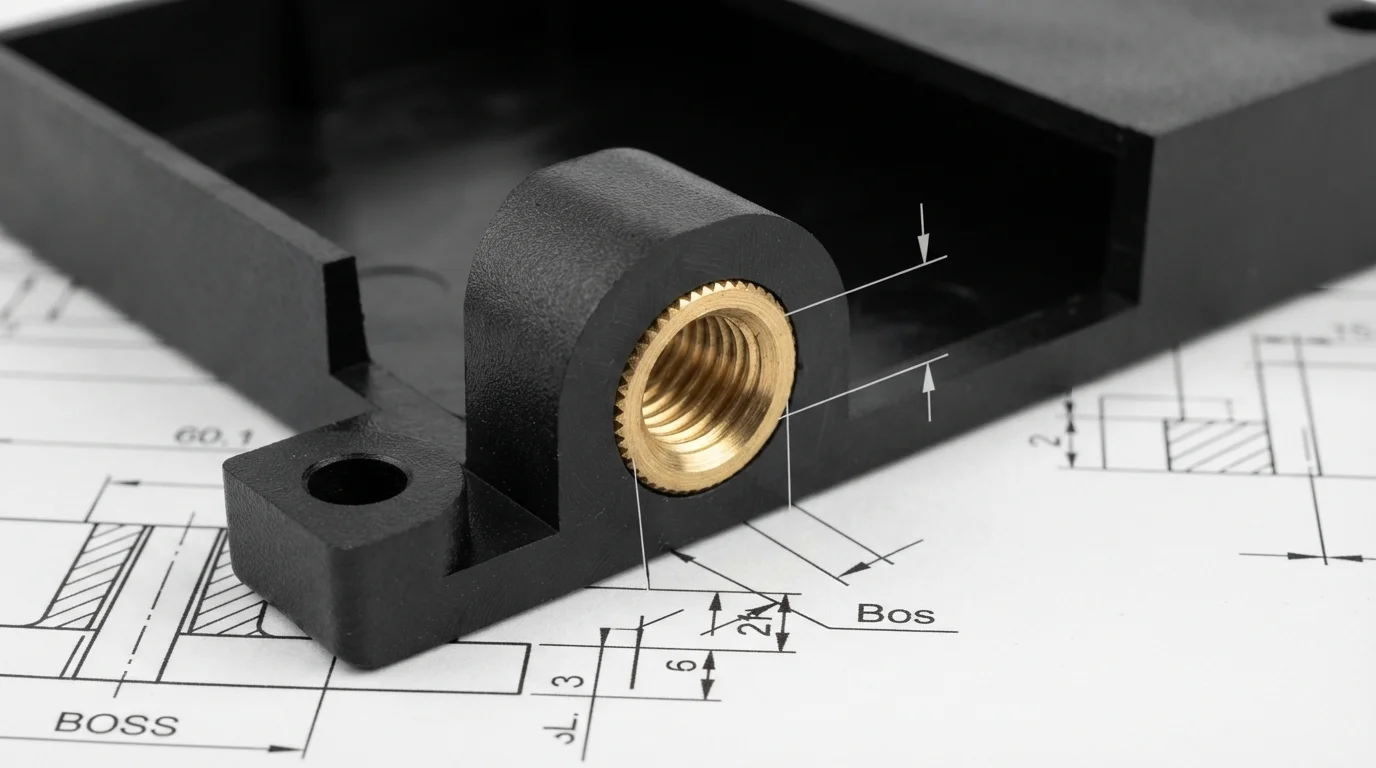
Essential Insert Molding Design Guidelines for Hardware Parts
Designing metal-plastic hybrid components requires balancing wall thickness ratios, draft angles, and metal retention geometry to prevent physical joint failure. Incorporating metallic studs, threaded brass bushings, or conductive copper terminals directly into plastic bosses introduces severe localized hoop stress during polymer cooling contraction. Inadequate boss wall thickness or sharp internal
READ MORE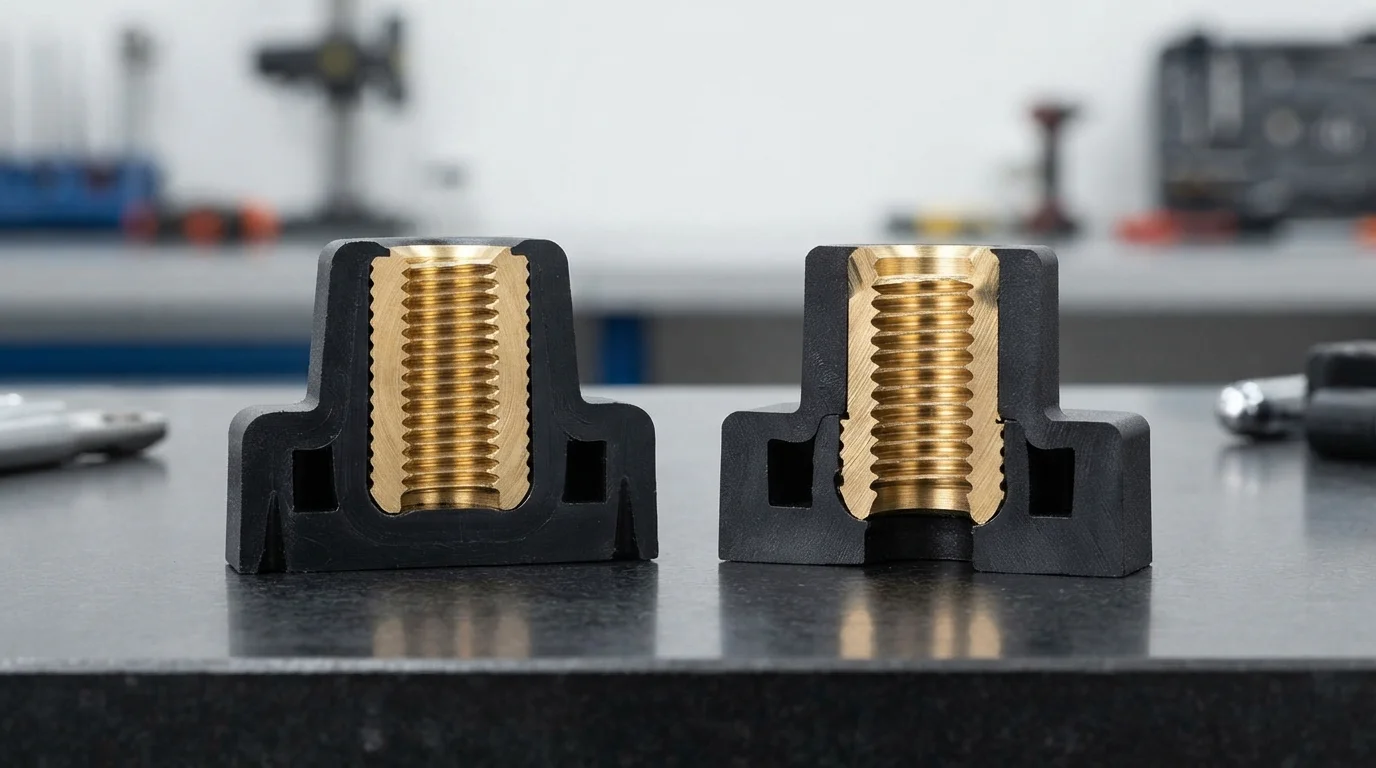
Precision Insert Molding vs Heat Staking for Fasteners
Fastening external covers, structural brackets, or printed circuit boards onto plastic housings requires high-durability threaded connection points. Tapping threads directly into raw thermoplastic bosses creates weak joints prone to thread stripping, stress cracking, and thread fatigue under repeated maintenance cycles. Incorporating metallic threaded fasteners into plastic bosses provides robust internal
READ MORE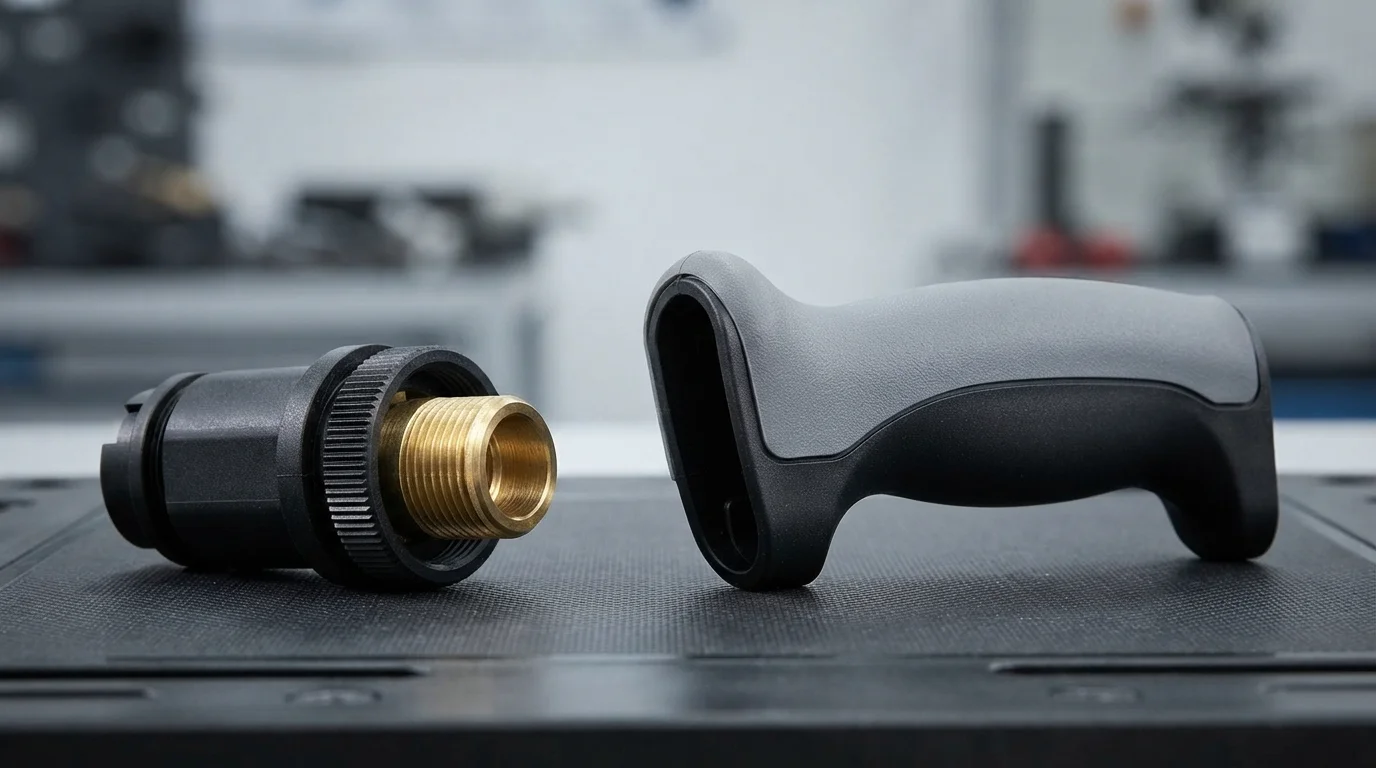
Overmolding vs Insert Molding: Process and Cost Differences
Selecting the correct polymer encapsulation process during early CAD design phases dictates whether an assembly meets mechanical strength, sealing, and cost targets. Product development teams frequently confuse multi-material molding techniques, particularly when deciding between placing pre-formed metal elements into a mold cavity or layering flexible elastomers over rigid plastic frames.
READ MORE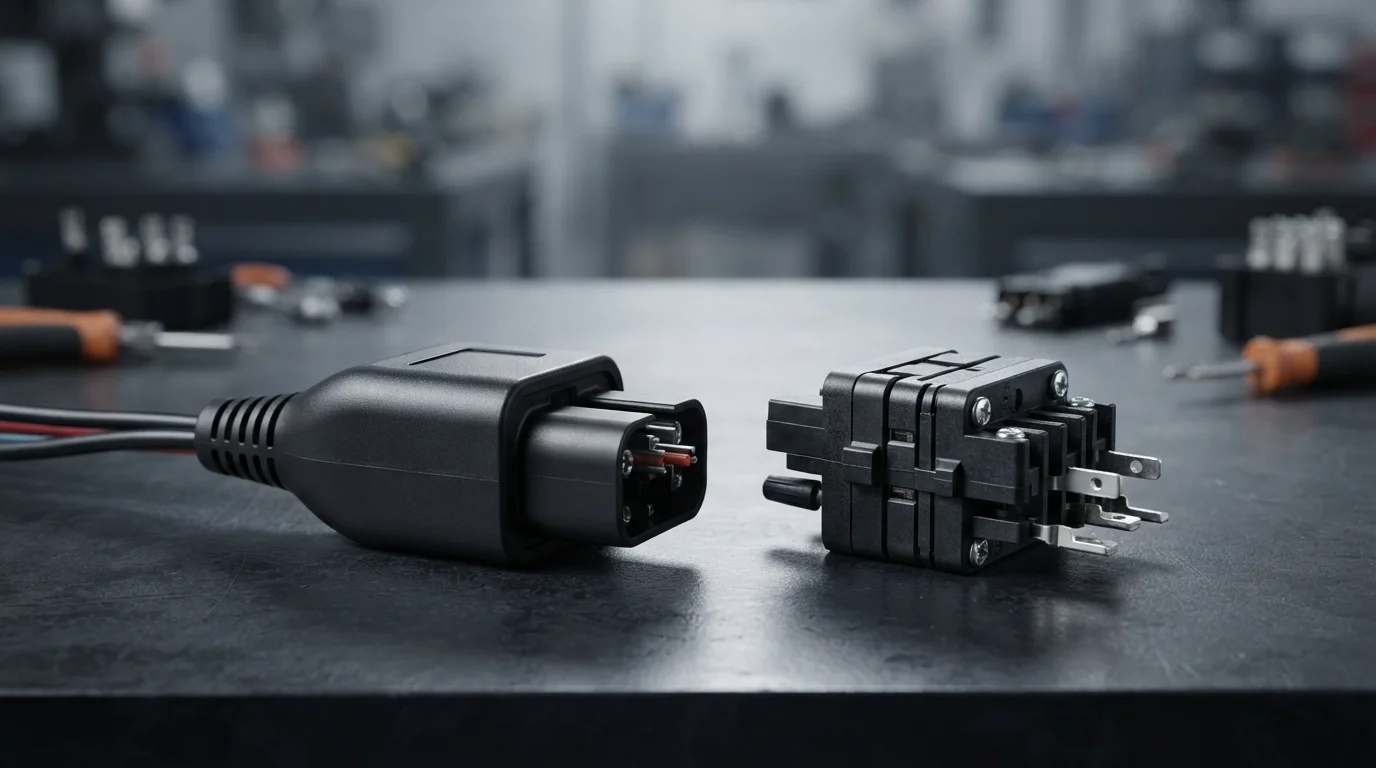
Why Insert Molding Pros and Cons Matter for Hardware
Selecting the optimal manufacturing method for metal-plastic hybrid components requires weighing upfront non-recurring engineering costs against long-term assembly benefits. Mechanical design groups must decide whether to overmold metal fasteners directly during injection or utilize secondary post-mold assembly methods like heat-staking or ultrasonic welding. Encapsulating metal studs, copper busbars, or electronic
READ MORE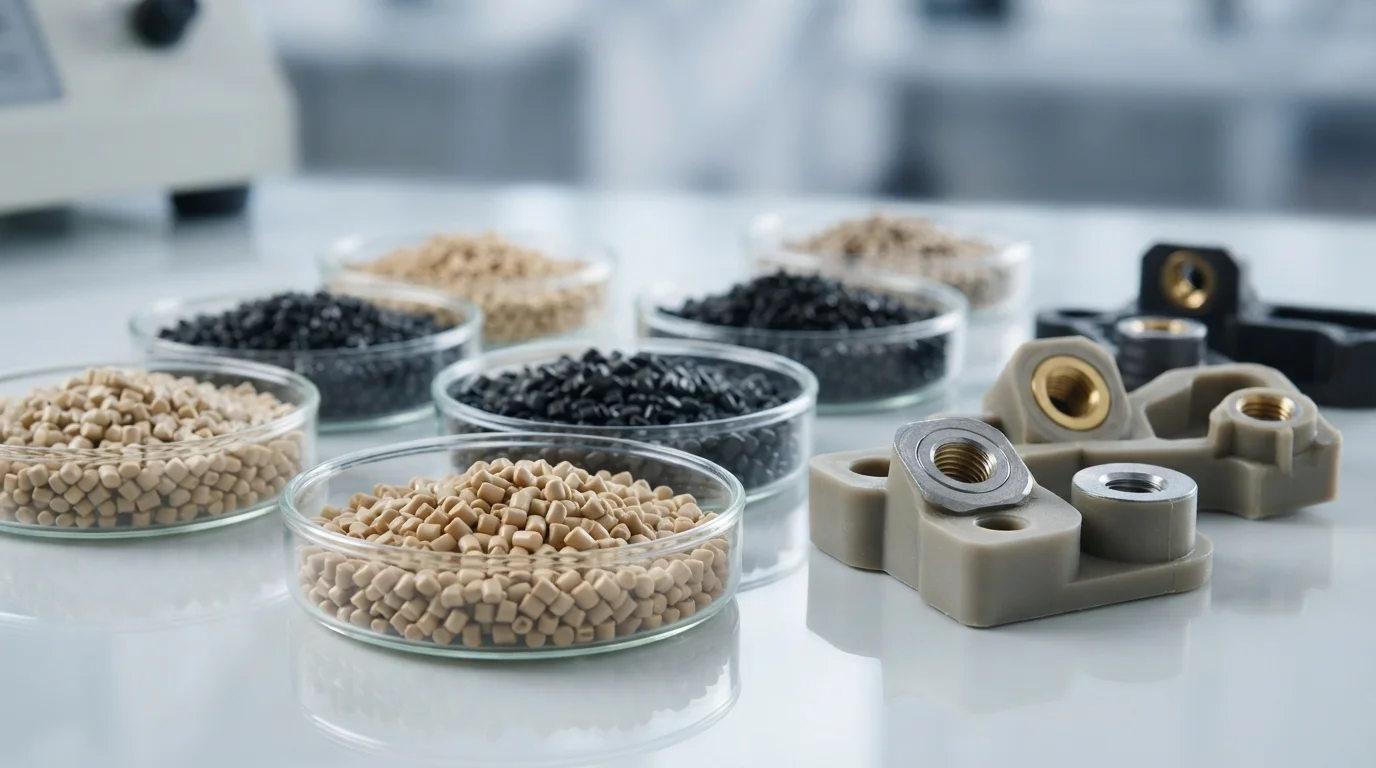
Selecting High-Performance Insert Molding Materials
Selecting optimal engineering resins for metal-plastic hybrid components directly determines interfacial bond strength, creep resistance, and long-term joint durability. Metallic inserts composed of brass, copper, stainless steel, or aluminum exhibit thermal expansion behavior radically different from raw thermoplastics. Exposing mismatched hybrid assemblies to rapid temperature changes induces severe mechanical shear
READ MORE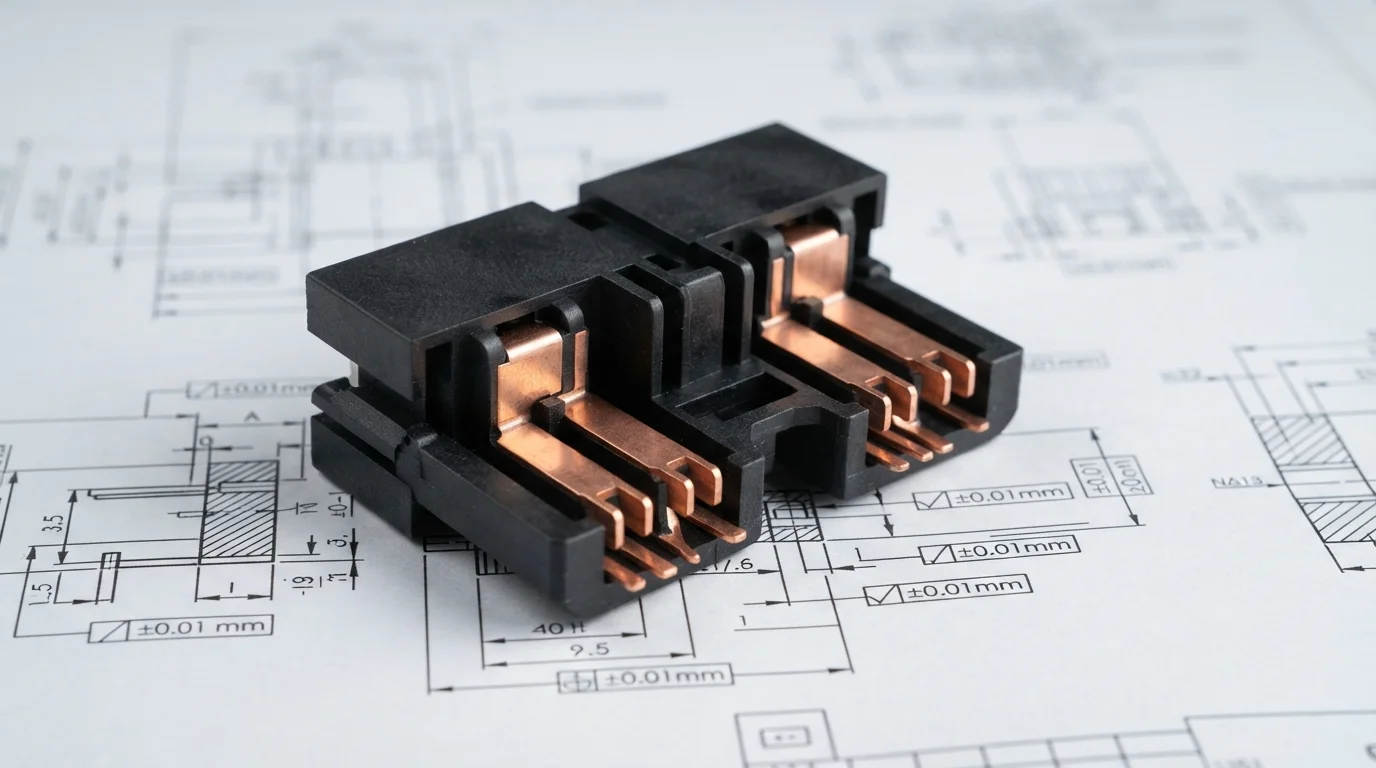
Precision Insert Molding Tolerances for Metal-Plastic Parts
Designing metal-plastic hybrid assemblies requires balancing the dimensional variations of pre-formed metal components against the volumetric shrinkage of molten thermoplastics. Metallic inserts stamped or turned on high-speed equipment inevitably exhibit tolerance stack-up, varying slightly in thickness, knurl outer diameter, or contact pad straightness. Injecting high-viscosity resin into mold cavities under
READ MORE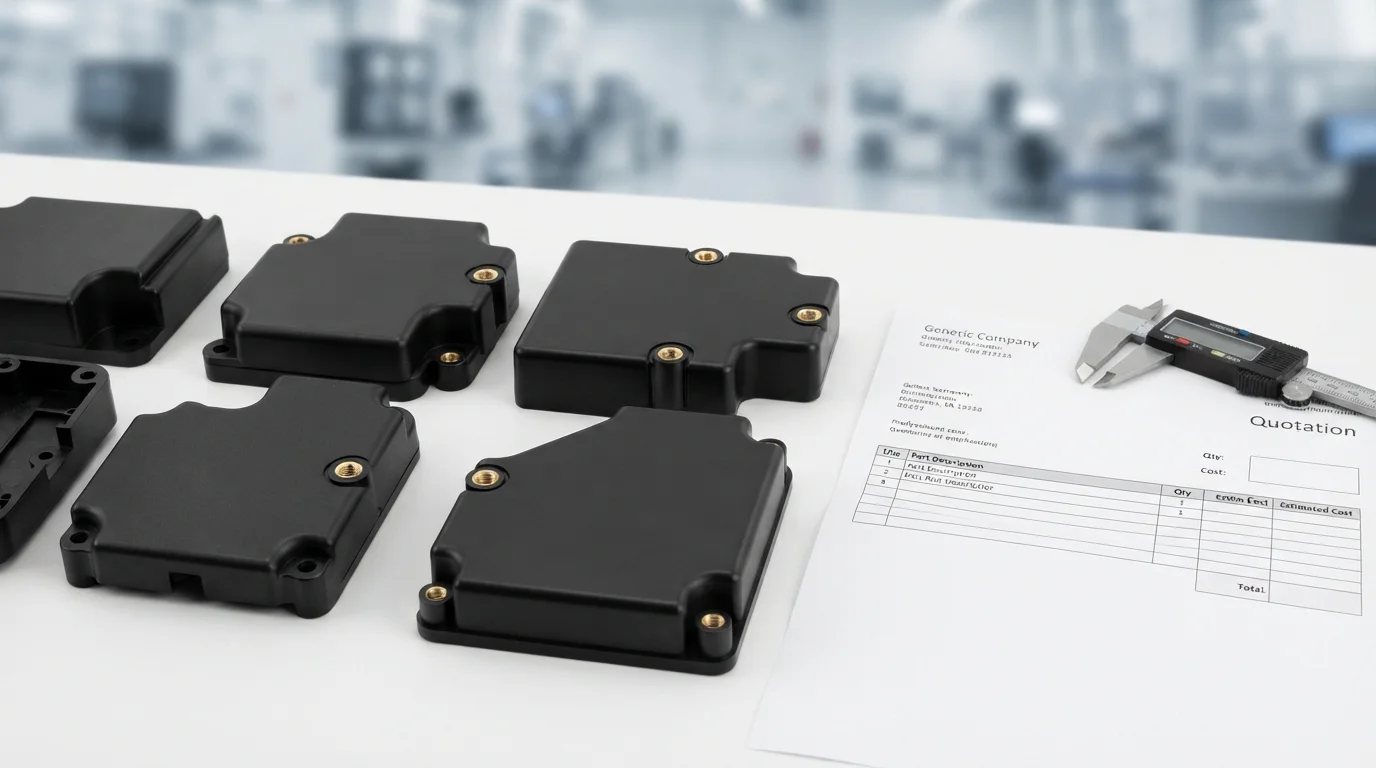
Custom Insert Molding Cost and Pricing Factors
Evaluating manufacturing budgets for metal-plastic hybrid components requires a detailed understanding of tooling fabrication, resin selection, and automation levels. Specifying custom insert molding cost drivers during early development stages allows engineering teams to optimize unit economics before committing to production tooling. Combining pre-formed metallic pins, threaded fasteners, or conductive busbars
READ MORE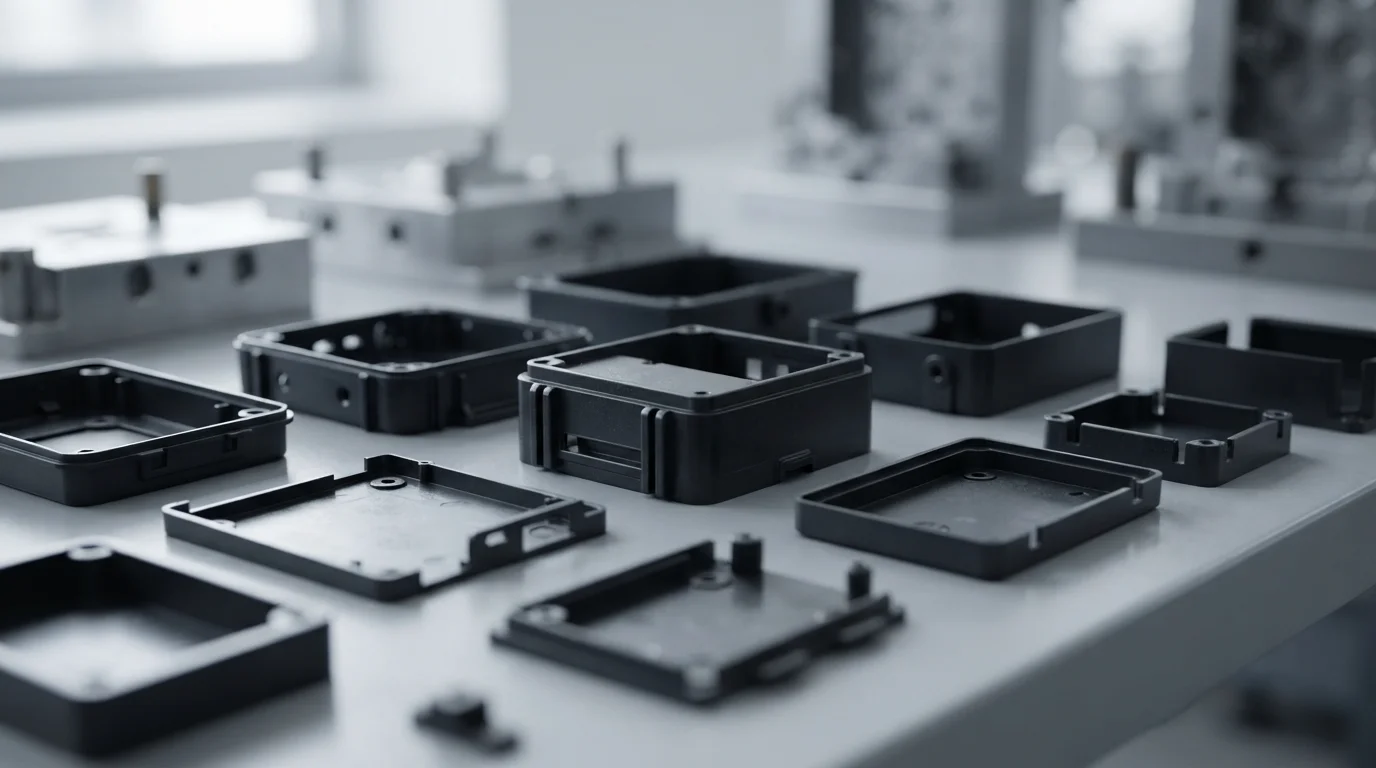
Rapid Injection Molding Services for Quick-Turn Parts
Accelerating product development schedules requires moving quickly from digital CAD concepts to functional, production-grade plastic parts. Traditional steel production molds require months of toolmaking and high capital NRE investments, creating long lead-time barriers for early market entry. Utilizing quick-turn soft tooling provides engineering teams with an agile manufacturing pathway, delivering
READ MORE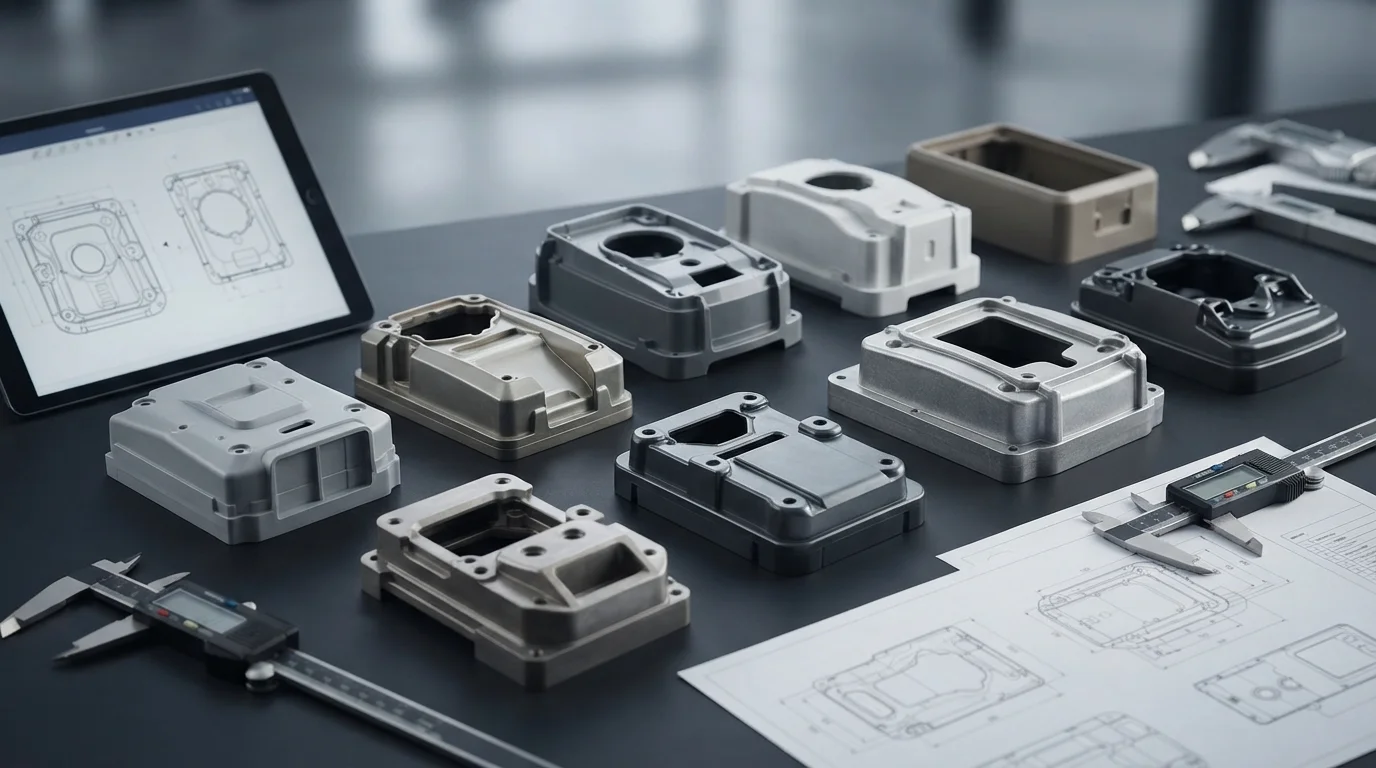
Specs for Prototype Injection Molding: Low-Volume Bridge
Accelerating product development schedules requires validating functional hardware designs using production-intent engineering polymers. Additive manufacturing techniques like 3D printing provide fast conceptual models, but photopolymers fail to replicate the mechanical toughness, heat resistance, and chemical immunity of injection molded thermoplastics. Specifying professional prototype injection molding bridges the gap between R&D
READ MOREPut Our Molding Expertise to the Test
Read our insights and see how they apply to your custom parts. Share your design files with our technical engineering team today for a free moldability review and a competitive production cost estimate.
SUBMIT YOUR DESIGN FOR FREE REVIEW