
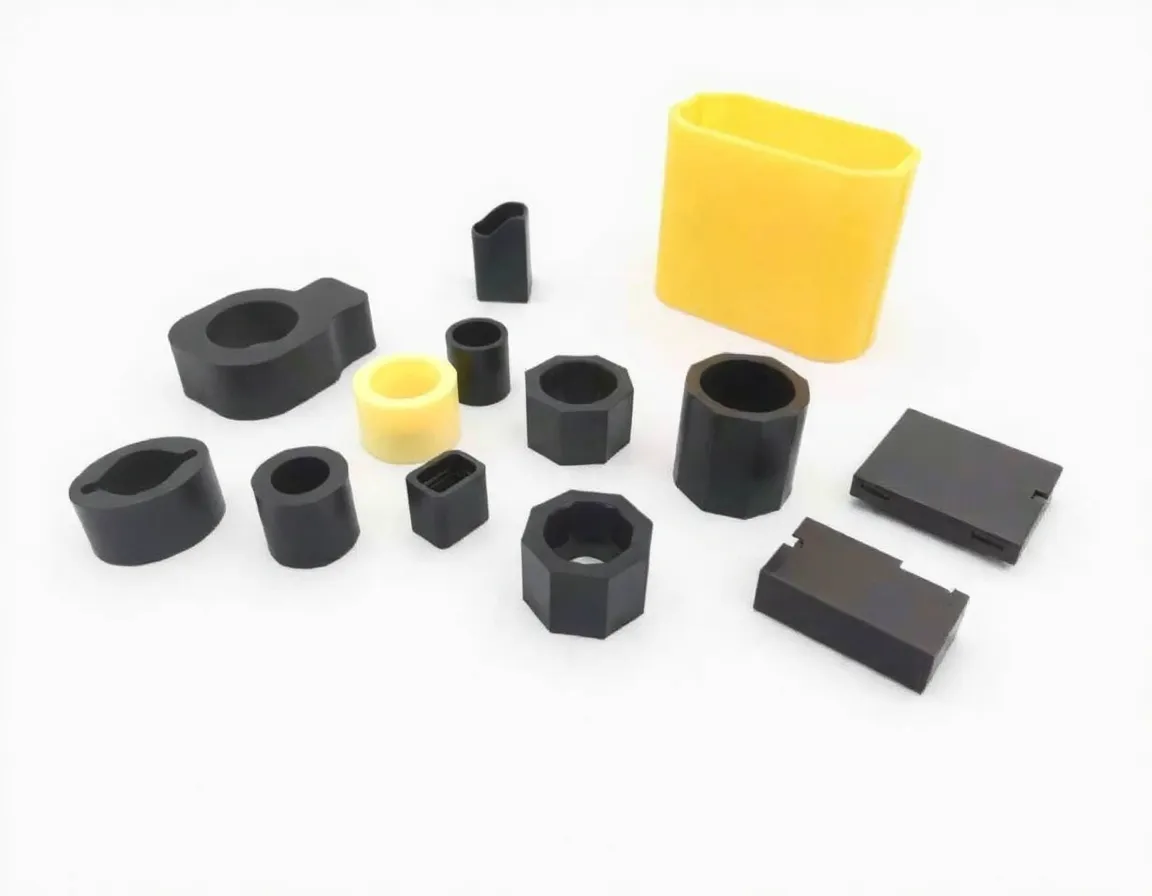
无人机硬件合同制造的演变
过去十年,商用无人机行业经历了爆炸性增长,从一个小众爱好市场转变为一个服务于农业、物流、国防和基础设施检查的数十亿美元产业。这一转变的核心在于 Hợp đồng gia công phần cứng drone (CM) – hoạt động thuê ngoài sản xuất các bộ phận và hệ thống hoàn chỉnh của máy bay không người lái (UAV) cho các nhà sản xuất bên thứ ba chuyên biệt. Mô hình này đã trở thành xương sống của ngành công nghiệp, cho phép các công ty khởi nghiệp và các thương hiệu đã thành danh mở rộng sản xuất mà không cần đầu tư vốn lớn vào nhà máy và thiết bị.
Hợp đồng gia công phần cứng drone bao gồm mọi thứ từ lắp ráp bảng mạch in (PCBA) và khung nhôm gia công chính xác đến khung máy bay bằng sợi carbon, hệ thống gimbal, bộ phận đẩy và tích hợp hệ thống cuối cùng. Không giống như sản xuất điện tử truyền thống, sản xuất drone đòi hỏi kỹ thuật nhẹ đặc biệt, khả năng chống rung, quản lý nhiệt và tuân thủ các tiêu chuẩn an toàn cấp hàng không. Khi ngành công nghiệp trưởng thành, các nhà sản xuất theo hợp đồng đang phát triển từ các xưởng "build-to-print" đơn giản thành các đối tác kỹ thuật trọn gói cung cấp thiết kế cho sản xuất (DFM), tạo mẫu nhanh và quản lý chuỗi cung ứng đầu cuối.
Thị trường hợp đồng gia công drone toàn cầu được dự báo sẽ tăng trưởng với tốc độ tăng trưởng kép hàng năm (CAGR) trên 15% đến năm 2030, được thúc đẩy bởi chi tiêu quốc phòng ngày càng tăng, dịch vụ giao hàng thương mại và sự phát triển của các khái niệm di chuyển hàng không đô thị (UAM). Bài viết này khám phá các xu hướng hàng đầu đang định hình lại lĩnh vực quan trọng này, từ vật liệu tiên tiến đến công nghệ song sinh kỹ thuật số, đồng thời cung cấp những hiểu biết có thể hành động cho các công ty đang tìm kiếm quan hệ đối tác sản xuất.
Xu hướng 1: Chuyển dịch sang sản xuất mô-đun và dựa trên nền tảng
Một trong những xu hướng quan trọng nhất trong hợp đồng gia công phần cứng drone là sự chuyển dịch từ các thiết kế đặt riêng, một lần sang kiến trúc mô-đun, dựa trên nền tảng. Thay vì thiết kế một khung máy bay hoàn toàn mới cho mỗi ứng dụng, các nhà sản xuất hiện nay thiết kế các mô-đun lõi tiêu chuẩn – như bộ điều khiển bay, bộ phân phối điện và tải trọng cảm biến – có thể được cấu hình cho các nhiệm vụ khác nhau. Các nhà sản xuất theo hợp đồng đang đầu tư mạnh vào các dây chuyền sản xuất linh hoạt có thể chuyển đổi giữa các biến thể với việc thay đổi công cụ tối thiểu.
Lợi ích của thiết kế mô-đun đối với nhà sản xuất theo hợp đồng
Phương pháp này mang lại những lợi thế đáng kể cho cả CM và nhà sản xuất thiết bị gốc (OEM). Đối với nhà sản xuất, tính mô-đun giảm độ phức tạp của hàng tồn kho, cho phép mua số lượng lớn các thành phần chung và rút ngắn thời gian giao hàng. Đối với OEM, điều đó có nghĩa là thời gian đưa sản phẩm mới ra thị trường nhanh hơn, bảo trì hiện trường dễ dàng hơn và chi phí vòng đời thấp hơn. Ví dụ, một nhà sản xuất duy nhất có thể sản xuất một nền tảng quadcopter cơ bản có thể được trang bị camera nhiệt để chữa cháy, cảm biến đa phổ cho nông nghiệp hoặc thiết bị LiDAR để khảo sát – tất cả đều sử dụng cùng một khung máy bay và bộ điều khiển bay lõi.
Hơn nữa, sản xuất mô-đun cho phép khối lượng sản xuất có thể mở rộng. Một nhà sản xuất theo hợp đồng có thể bắt đầu với sản xuất ban đầu tốc độ thấp (LRIP) 50 đơn vị mỗi tháng cho một công ty khởi nghiệp, sau đó tăng lên 5.000 đơn vị mỗi tháng khi đơn đặt hàng tăng lên mà không cần thiết kế lại quy trình sản xuất. Sự linh hoạt này rất quan trọng trong một thị trường nơi nhu cầu có thể tăng đột biến do phê duyệt theo quy định hoặc hợp đồng ứng phó thảm họa.
Trend 2: Advanced Materials and Additive Manufacturing Integration
The second major trend is the adoption of advanced lightweight materials and the integration of additive manufacturing (3D printing) into traditional production workflows. Drone performance is directly tied to weight reduction – every gram saved translates to longer flight times, higher payload capacity, or improved agility. Contract manufacturers are increasingly moving beyond standard 6061 aluminum and ABS plastic to materials like:
- Carbon fiber reinforced polymers (CFRP) – offering exceptional strength-to-weight ratios for airframes and rotor arms
- High-temperature thermoplastics (PEEK, PEKK) – for motor housings and components exposed to heat
- Titanium alloys – for high-stress fasteners and landing gear
- Metal matrix composites – for thermal management in power electronics
What makes this trend particularly transformative is the combination of CNC machining with 3D printing. Many contract manufacturers now use fused deposition modeling (FDM) or selective laser sintering (SLS) to produce complex jigs, fixtures, and end-use parts that would be impossible or prohibitively expensive to machine. For instance, a manufacturer can 3D print a custom ducted fan shroud with internal airflow channels that reduce drag, then CNC-machine the mounting flanges for perfect tolerance. This hybrid approach reduces material waste by up to 40% and allows for rapid design iterations during the prototyping phase.
Additionally, the use of continuous fiber reinforcement in additive manufacturing has matured significantly. Companies like Markforged and Anisoprint now offer printers that lay continuous carbon fiber or Kevlar within thermoplastic matrices, producing parts with mechanical properties comparable to aluminum at a fraction of the weight. Contract manufacturers are leveraging this technology for low-volume, high-performance drones used in military and industrial applications where traditional tooling costs would be prohibitive.
Trend 3: Automation, Robotics, and Digital Twin Manufacturing
The third trend reshaping drone hardware contract manufacturing is the aggressive deployment of factory automation and digital twin technology. Unlike consumer electronics, drone assembly still involves significant manual labor – especially for wiring harnesses, sensor calibration, and final inspection. However, leading contract manufacturers are now deploying collaborative robots (cobots) and automated guided vehicles (AGVs) to streamline repetitive tasks while maintaining human oversight for quality-critical operations.
Key Automation Technologies in Drone CM
Automation is being applied across multiple stages of the production process:
- Automated optical inspection (AOI) for PCBA – detecting solder defects and component placement errors at speeds impossible for human inspectors
- Robotic screwdriving and adhesive dispensing – ensuring consistent torque and bond-line thickness on airframe assembly
- Automated test systems (ATS) – performing 100% functional testing of flight controllers, ESCs, and GPS modules
- AI-powered vision systems – verifying the correct installation of cables, connectors, and antennas
The concept of a digital twin – a virtual replica of the physical production line – has moved from theory to practice. Contract manufacturers now create digital twins of their drone assembly lines, allowing them to simulate production flows, identify bottlenecks, and optimize line balancing without stopping physical production. Using real-time data from IoT sensors embedded in machines, the digital twin can predict equipment failures before they occur, reducing unplanned downtime by as much as 30%. For drone OEMs, this means greater supply chain reliability and consistent product quality across batches.
Another critical automation trend is the use of in-line metrology and coordinate measuring machines (CMMs) for dimensional inspection. Drones require extremely tight tolerances – especially on motor mounts and propeller hubs – to minimize vibrations that degrade flight stability. Automated CMM systems can measure hundreds of critical dimensions per part in minutes, feeding data back into the manufacturing execution system (MES) for statistical process control (SPC). This closed-loop quality system ensures that any drift in the manufacturing process is corrected before it results in non-conforming parts.
Trend 4: Supply Chain Resilience and Dual-Sourcing Strategies
The COVID-19 pandemic and subsequent geopolitical tensions exposed the fragility of global supply chains, particularly for semiconductor components and rare-earth magnets used in drone motors. As a result, the fourth major trend in drone hardware contract manufacturing is a fundamental shift toward supply chain resilience and dual-sourcing. Contract manufacturers are no longer willing to rely on a single supplier for critical components; instead, they are building redundant supply networks.
Strategies for Supply Chain Security
Leading contract manufacturers are implementing several key strategies to mitigate risk:
- Geographic diversification – qualifying suppliers in different regions (e.g., Mexico, Vietnam, and Eastern Europe) to avoid single-country dependence
- Multi-vendor qualification – maintaining at least two approved suppliers for every critical component, from MCUs to lithium-polymer cells
- Buffer inventory management – strategically stocking long-lead-time items such as specialized connectors and custom ICs
- Vertical integration of bottleneck processes – bringing in-house the manufacturing of high-demand items like precision gears or antenna arrays
This trend is particularly visible in the motor and propulsion system segment. Many contract manufacturers have started producing their own brushless DC motors and electronic speed controllers (ESCs) to avoid the 20-30 week lead times common for imported components. By investing in winding machines and magnetizing equipment, these CMs gain control over the most performance-critical part of the drone. Similarly, battery pack assembly – which requires specialized cell matching and spot welding – is increasingly being brought in-house to ensure quality and safety compliance.
Moreover, contract manufacturers are leveraging long-term supply agreements (LTSAs) with commodity suppliers for aluminum, carbon fiber, and copper. These agreements lock in pricing and guarantee allocation, even during market shortages. For drone OEMs, partnering with a CM that has robust supply chain practices is now a critical selection criterion, often outweighing pure unit cost considerations. The ability to maintain production during global disruptions has become a competitive differentiator.
Trend 5: Regulatory Compliance and Certifications as a Service
The fifth trend is the transformation of regulatory compliance from an afterthought into a core service offering. As drone regulations tighten globally – particularly in the EU (under the European Union Aviation Safety Agency, EASA) and the US (under the FAA's Part 107 and upcoming Remote ID rules) – contract manufacturers are being asked to provide more than just assembly. They are now expected to maintain certifications and documentation that enable their customers to achieve market access.
Modern drone contract manufacturers are obtaining and maintaining certifications such as ISO 9001:2015 for quality management, AS9100D for aerospace applications, and ISO 14001 for environmental management. More importantly, they are developing expertise in specific drone regulations, including:
- FAA Remote ID – integrating broadcast modules and ensuring compliance with broadcast and network-based requirements
- EASA Class C0-C6 classification – designing and manufacturing drones that meet specific operational category requirements
- CE marking and RoHS compliance – for all electronic components and assemblies
- REACH and conflict minerals reporting – providing full material traceability
Contract manufacturers are also offering designated testing and certification support. This includes conducting electromagnetic compatibility (EMC) testing, thermal cycling, and vibration testing in-house, then preparing the necessary documentation for third-party certification bodies. Some advanced CMs have established their own in-house testing laboratories with anechoic chambers and environmental chambers, reducing the time and cost of certification for their clients. This "compliance as a service" model is particularly valuable for startups that lack the resources to navigate complex regulatory landscapes.
Hơn nữa, sự gia tăng của defense and dual-use drone programs has created demand for ITAR (International Traffic in Arms Regulations) and EAR (Export Administration Regulations) compliance. Contract manufacturers that can handle sensitive technologies under strict security protocols are gaining a competitive edge, as they can serve military and government clients. This requires secure facilities, background-checked personnel, and robust cybersecurity practices to protect intellectual property and technical data.
Best Practices for Selecting a Drone Hardware Contract Manufacturer
Given the complexity and rapid evolution of drone technology, selecting the right contract manufacturing partner is a critical strategic decision. The following best practices can guide OEMs in making an informed choice:
1. Evaluate Engineering Capabilities Beyond Assembly
Look for a CM that offers design-for-manufacturability (DFM) review, value engineering, and prototyping services. The best partners will identify potential manufacturing issues early, suggest alternative materials or processes, and provide samples within days – not months. Ask about their experience with similar drone form factors (quadcopter, fixed-wing, hybrid VTOL) and payload types.
2. Assess Quality Systems and Traceability
Demand to see their incoming inspection protocols, in-process quality checkpoints, and final acceptance test procedures. A reputable CM should provide full lot traceability from raw material to finished product, including batch numbers for all critical components. Request a sample of their inspection reports and failure mode and effects analysis (FMEA) documentation.
3. Verify Capacity and Scalability
Understand the CM's current capacity utilization and their ability to scale. Ask about their peak production rates, existing automation levels, and plans for capacity expansion. A CM that is already running at 90% capacity may struggle to accommodate your growth, while one with idle capacity may lack the experience of high-volume production.
4. Check Financial Stability and References
Contract manufacturing involves long-term commitments and significant financial exposure. Review the CM's financial statements, ask for client references, and visit their facilities in person. Verify that they have a healthy order backlog and a diverse customer base – avoid CMs that depend on a single large client for the majority of their revenue.
5. Prioritize Communication and Supply Chain Transparency
Choose a partner that provides real-time production dashboards, regular status reports, and open access to their supply chain data. You should be able to see where every component is in the pipeline, from raw material to final assembly. Transparent communication about lead times, cost changes, and potential disruptions is essential for building a successful long-term partnership.
Conclusion: The Future of Drone Hardware Contract Manufacturing
The drone hardware contract manufacturing landscape is undergoing a profound transformation, driven by modular design principles, advanced materials, automation, supply chain resilience, and regulatory complexity. The days of simple "build-to-print" outsourcing are over; today's leading contract manufacturers are strategic partners that contribute to design innovation, ensure regulatory compliance, and provide scalable, high-quality production capabilities.
Looking ahead, we can expect further convergence with artificial intelligence in production planning, the use of blockchain for supply chain traceability, and the emergence of micro-factories that can produce drones on-site at deployment locations. Additionally, the push toward sustainable manufacturing – including recyclable thermoplastics and energy-efficient production processes – will become a differentiator. For drone OEMs, from startups to Fortune 500 aerospace companies, understanding these trends and selecting the right contract manufacturing partner is not just a tactical decision – it is a strategic imperative that determines their ability to compete in an increasingly crowded and sophisticated market.
The companies that thrive will be those that view their contract manufacturer as an integral extension of their own engineering and production teams, fostering deep collaboration, continuous improvement, and mutual investment in technology. As the drone industry continues to soar, the contract manufacturers that embrace these trends will be the ones building the wings.