
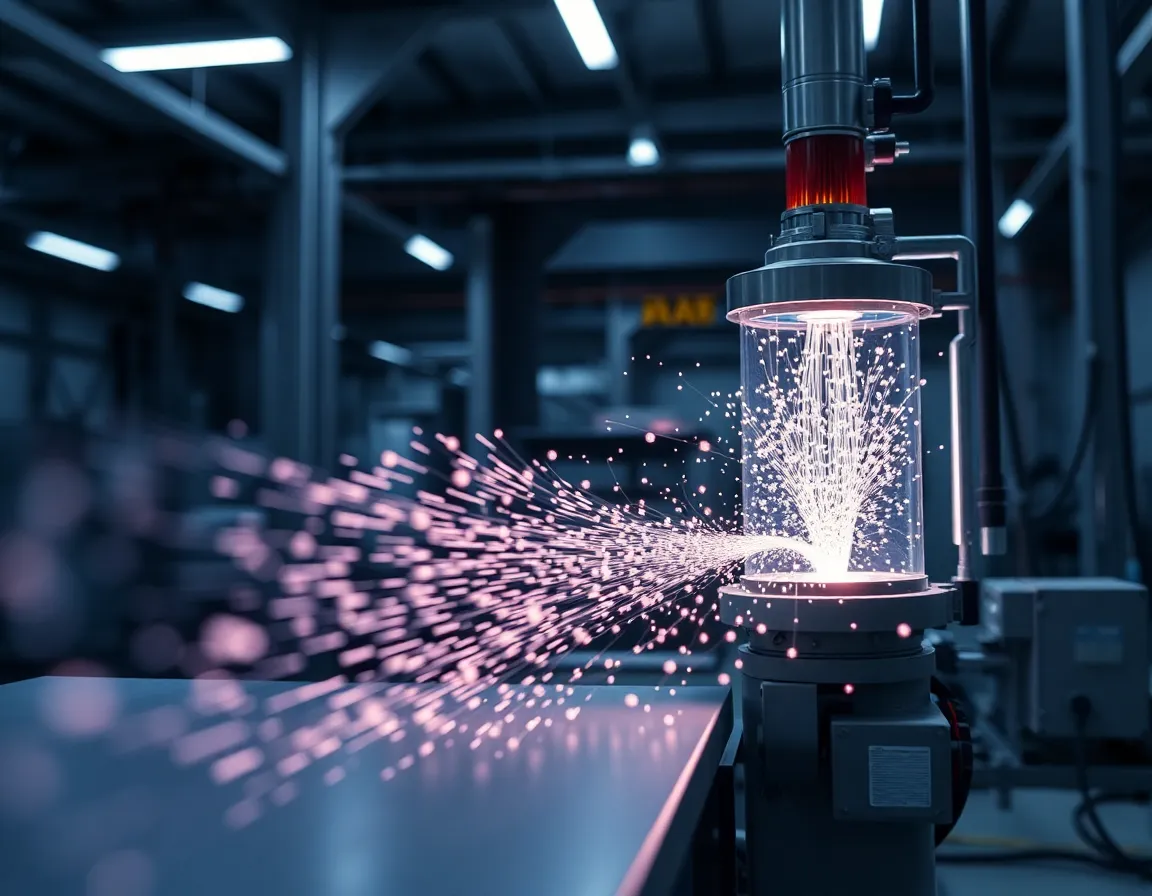
Introduction: The Critical Need for Sterile Medical Components
In the realm of modern healthcare, the sterility of medical devices is not merely a regulatory checkbox—it is a fundamental pillar of patient safety. Every year, millions of surgical instruments, implantable devices, and diagnostic tools are used in procedures where even a single microbial contaminant can lead to severe infections, sepsis, or implant rejection. Traditional methods of sterilization, such as ethylene oxide (EtO) gas or gamma irradiation, are often applied as post-processing steps. However, these methods can be time-consuming, expensive, and may degrade certain polymers. This is where bio-burden controlled molding emerges as a game-changing manufacturing philosophy. Rather than relying solely on terminal sterilization, this approach proactively manages the microbial load on components during the injection molding process itself, ensuring that parts emerge with an exceptionally low initial bioburden. This article explores the intricacies of bio-burden controlled molding, its mechanisms, benefits, and the best practices that make it indispensable for critical medical applications.
Understanding Bio-Burden: The Invisible Threat
Before delving into the molding process, it is essential to define the enemy. Bio-burden, also known as microbial load, refers to the population of viable microorganisms—bacteria, fungi, spores, and viruses—that reside on a raw material, component, or finished product. In the context of medical device manufacturing, bio-burden is quantified in colony-forming units (CFUs). A standard unprocessed plastic pellet might harbor anywhere from 1,000 to 10,000 CFUs per gram, depending on environmental exposure and handling.
The danger lies not in the initial count alone, but in the potential for proliferation. If a component with a high bio-burden is packaged without adequate sterilization, microorganisms can multiply within the moisture barrier, rendering the device unsafe. Moreover, high bio-burden can overwhelm downstream sterilization processes. For instance, if a device has a bio-burden of 10,000 CFUs, a standard EtO cycle designed to reduce a population by 106 (a six-log reduction) may still leave viable organisms behind. Consequently, controlling bio-burden at the point of manufacturing is not just a "nice-to-have"—it is a statistical necessity to ensure the sterility assurance level (SAL) of 10-6 required for implantable devices.
The Mechanics of Bio-Burden Controlled Molding
Bio-burden controlled molding is not a single technique but a comprehensive, multi-layered system that integrates cleanroom technology, material science, and process engineering. It transforms a conventional injection molding machine into a precision instrument of microbial control. The core principle is to create an environment where the introduction, survival, and growth of microorganisms are systematically minimized at every stage.
Cleanroom Classification and Airflow
The foundation of this process is the physical environment. Molding is performed in a ISO Class 7 or ISO Class 8 cleanroom (often with localized ISO Class 5 zones around the mold open area). These rooms employ High-Efficiency Particulate Air (HEPA) filters to remove 99.97% of particles down to 0.3 microns. However, bio-burden control goes beyond particle count. The cleanroom must maintain positive air pressure relative to adjacent spaces, ensuring that unfiltered air cannot ingress. Additionally, airflow patterns are designed to be unidirectional or laminar over critical zones, sweeping away any airborne microbes that might be shed by operators or equipment. Temperature and humidity are also tightly regulated—typically 20-25°C and 40-60% RH—because high humidity can promote bacterial condensation on cool mold surfaces.
Material Handling and Drying
Raw plastic resin is a primary vector for contamination. Standard resin bags are often stored in warehouses with dirt, dust, and microbial spores. In bio-burden controlled molding, the resin is treated as a sterile raw material. The process begins with dedicated, sealed conveying systems that transport resin from a clean storage silo directly to the molding machine without exposure to the factory floor. Before entering the barrel, the resin undergoes desiccant drying using dehumidified air that is filtered to 0.01 microns. This drying step is critical for two reasons: it removes moisture that could cause hydrolysis (material degradation) and it prevents the "snowball" effect where damp resin becomes a breeding ground for bacteria. Some advanced facilities also employ UV light tunnels or hydrogen peroxide vapor treatment on the resin hopper to reduce surface bio-burden on the pellets themselves.
Machine Design and Mold Sanitization
The injection molding machine itself must be designed for easy cleaning and contamination resistance. Key features include:
- Stainless steel cladding over the machine base to eliminate exposed iron or painted surfaces that can harbor microbes.
- Sealed hydraulic systems to prevent oil leaks that can attract and sustain microbial growth.
- Closed-loop cooling water systems treated with biocides to prevent biofilm formation in the mold cooling channels.
- Rapid mold change systems that allow for frequent sanitization cycles without lengthy downtime.
The mold itself is the most critical component. It is manufactured from corrosion-resistant steel (e.g., S136 or 420SS) with a mirror-polished surface finish (Ra < 0.05 µm). A smooth surface leaves no microscopic crevices for bacteria to adhere to. Between production runs, the mold is subjected to a validated cleaning protocol: a wash with enzymatic detergent, followed by rinsing with sterile water, and then vaporized hydrogen peroxide (VHP) or autoclaving. The mold is then draped in sterile film until the moment of installation.
Process Parameters and Automation
Even with a clean environment, the molding process itself can introduce contamination. The injection unit's screw and barrel are heated to 200-300°C, which effectively sterilizes the molten polymer. However, the critical zone is the nozzle and sprue area, which cools between shots. To prevent contamination here, the machine uses a "hot runner" system with positive pressure and continuous purging. Additionally, the cycle time is optimized to minimize the exposure of the open mold to the environment. Automation plays a pivotal role: robotic arms remove the parts from the mold and place them directly into sealed, sterile bags or trays. This eliminates manual handling, which is the single largest source of bio-burden in traditional molding (human skin sheds up to 10 million particles per day).
Benefits: Why This Approach Outperforms Traditional Methods
The shift to bio-burden controlled molding offers profound advantages that extend far beyond simply "cleaner parts." These benefits resonate across regulatory, economic, and clinical dimensions.
Enhanced Sterility Assurance and Product Safety
The most significant benefit is a dramatic reduction in the initial microbial load. Whereas a standard molded part might have a bio-burden of 1,000 CFUs, a bio-burden controlled part typically tests at less than 10 CFUs, often below the detection limit. This low bioburden directly improves the reliability of subsequent sterilization. If a device is intended for terminal sterilization via gamma rays, a lower starting bioburden means a lower required radiation dose, which in turn reduces polymer degradation and extends the shelf life of the product. For devices that are manufactured as "sterile" without terminal sterilization (using aseptic processing), bio-burden controlled molding is often the only viable way to achieve the required SAL.
Regulatory Compliance and Reduced Risk
Regulatory bodies like the FDA and the EU MDR (Medical Device Regulation) are increasingly focusing on the "bioburden" as a Critical Quality Attribute (CQA). Demonstrating a robust bio-burden control strategy simplifies the validation of sterilization processes. When a manufacturer can prove that the incoming bioburden is consistently low, they can justify a lower sterilization dose (e.g., 15 kGy instead of 25 kGy for gamma irradiation). This not only saves money but also reduces the risk of product failure during validation. Furthermore, in the event of a recall or audit, a well-documented bio-burden control program provides a strong defense, showing proactive risk management rather than reactive correction.
Material Integrity and Performance
Terminal sterilization methods are harsh. EtO leaves toxic residues that require aeration, while gamma radiation can cause cross-linking or chain scission in polymers, leading to discoloration, brittleness, or loss of mechanical strength. By minimizing the reliance on these aggressive methods, bio-burden controlled molding preserves the pristine mechanical and optical properties of the resin. This is particularly critical for high-performance engineering plastics like PEEK (polyetheretherketone) used in spinal implants, or polycarbonate used in syringes. The result is a stronger, more reliable device that performs exactly as designed during its entire service life.
Applications: Where This Technology is Indispensable
While any medical device can benefit from lower bioburden, certain categories absolutely require it due to their function or regulatory classification.
- Implantable Devices and Orthopedics: Hip joints, knee replacements, and bone screws are implanted directly into the body. Even a single CFU can cause a biofilm infection that is nearly impossible to treat without removing the implant. Bio-burden controlled molding is the industry standard for these components.
- Drug Delivery Systems: Pre-filled syringes, auto-injectors, and inhalers come into direct contact with pharmaceutical formulations. High bioburden on the plastic components can degrade the drug or introduce pyrogens (fever-inducing endotoxins). Controlled molding ensures that the container closure system is clean before filling.
- Surgical Instruments: Laparoscopic graspers, trocars, and retractors are often single-use. While they are terminally sterilized, a low bioburden reduces the risk of "sterilizer resistance" and ensures the device is safe even if the packaging is slightly compromised.
- Diagnostic Microfluidics: Lab-on-a-chip devices and PCR test cartridges require extremely clean surfaces to avoid false positives from DNA or RNA contamination. Bio-burden control prevents microbial DNA from interfering with diagnostic assays.
Best Practices for Implementing Bio-Burden Controlled Molding
Successfully implementing this process requires a holistic approach that goes beyond purchasing a new machine. It demands a cultural shift toward cleanliness and validation.
Routine Environmental Monitoring (EM)
It is not enough to simply build a cleanroom; you must prove it works daily. Implement a rigorous EM program that includes:
- Air sampling for viable particles (using settle plates and active air samplers) at critical points during each shift.
- Surface swabbing of the injection nozzle, mold faces, and robotic grippers after every production run.
- Personnel monitoring via glove prints and gowning swabs to ensure operators are not shedding microbes.
Set alert and action limits based on historical data. For instance, an action limit of 1 CFU on a mold face might trigger an immediate halt and sanitization cycle.
Material Qualification and Vendor Management
Your raw resin supplier must be treated as a partner in sterility. Establish a Certificate of Analysis (CoA) requirement for each lot, specifying the maximum allowable bioburden (e.g., < 100 CFU/g). Consider using "medical grade" resins that are manufactured under GMP (Good Manufacturing Practices) and are inherently low in microbial content. Store resins in a dedicated, climate-controlled cleanroom warehouse, and use them on a first-in, first-out (FIFO) basis to prevent aging and moisture absorption.
Validation of Cleaning and Sanitization
Every cleaning protocol, whether for the mold, the machine, or the cleanroom, must be validated for efficacy. This involves deliberately contaminating surfaces with a known quantity of a resistant microorganism (e.g., Bacillus atrophaeus spores) and then running the cleaning cycle to demonstrate a consistent log reduction (e.g., a 3-log reduction). This validation must be repeated periodically or after any major process change to ensure continued effectiveness.
Training and Gowning Discipline
Human operators are the weakest link. They must undergo comprehensive training in aseptic techniques. This includes proper gowning procedures (sterile gowns, hoods, masks, double gloves, and boots), restricted movement in the cleanroom, and absolute prohibition of cosmetics or jewelry. Regular competency assessments and microbial fingerprinting of operators can help identify chronic shedders who may need to be reassigned to non-critical tasks.
Conclusion: The Future of Sterile Manufacturing
Bio-burden controlled molding is not a passing trend; it is a paradigm shift in how we approach medical device safety. By integrating contamination control into the very fabric of the manufacturing process, we move away from the reactive model of "make it dirty, then sterilize it" toward a proactive model of "make it clean from the start." This approach yields parts that are not only biologically safer but also physically superior, retaining the full strength and clarity of the base polymer. As healthcare demands increase—with more complex implantable devices, personalized medicine, and point-of-care diagnostics—the need for precise, reliable, and low-bioburden components will only grow. Companies that invest in bio-burden controlled molding are not just meeting regulatory standards; they are setting a new benchmark for excellence, protecting patients, and building a reputation for uncompromising quality in the most critical field of manufacturing. The sterile part is no longer the end product of a sterilization process—it is the inherent outcome of a controlled and intelligent molding process.