
The cost of an LSR project is rarely explained by material price alone. Tool architecture, cavity count, part geometry, expected volume, inspection requirements, post-cure, packaging, and the amount of automation can change the commercial result. A useful estimate therefore starts with a cost model that follows the part from design review to released production.
When buyers evaluate LSR Injection Molding Cost, they should ask what assumptions sit behind the quote. For a project using Liquid Silicone Rubber (LSR) Molding, the right comparison is not simply the lowest number. It is the proposal that makes volume, tooling life, quality evidence, and change risk visible.
Break the quote into five cost layers
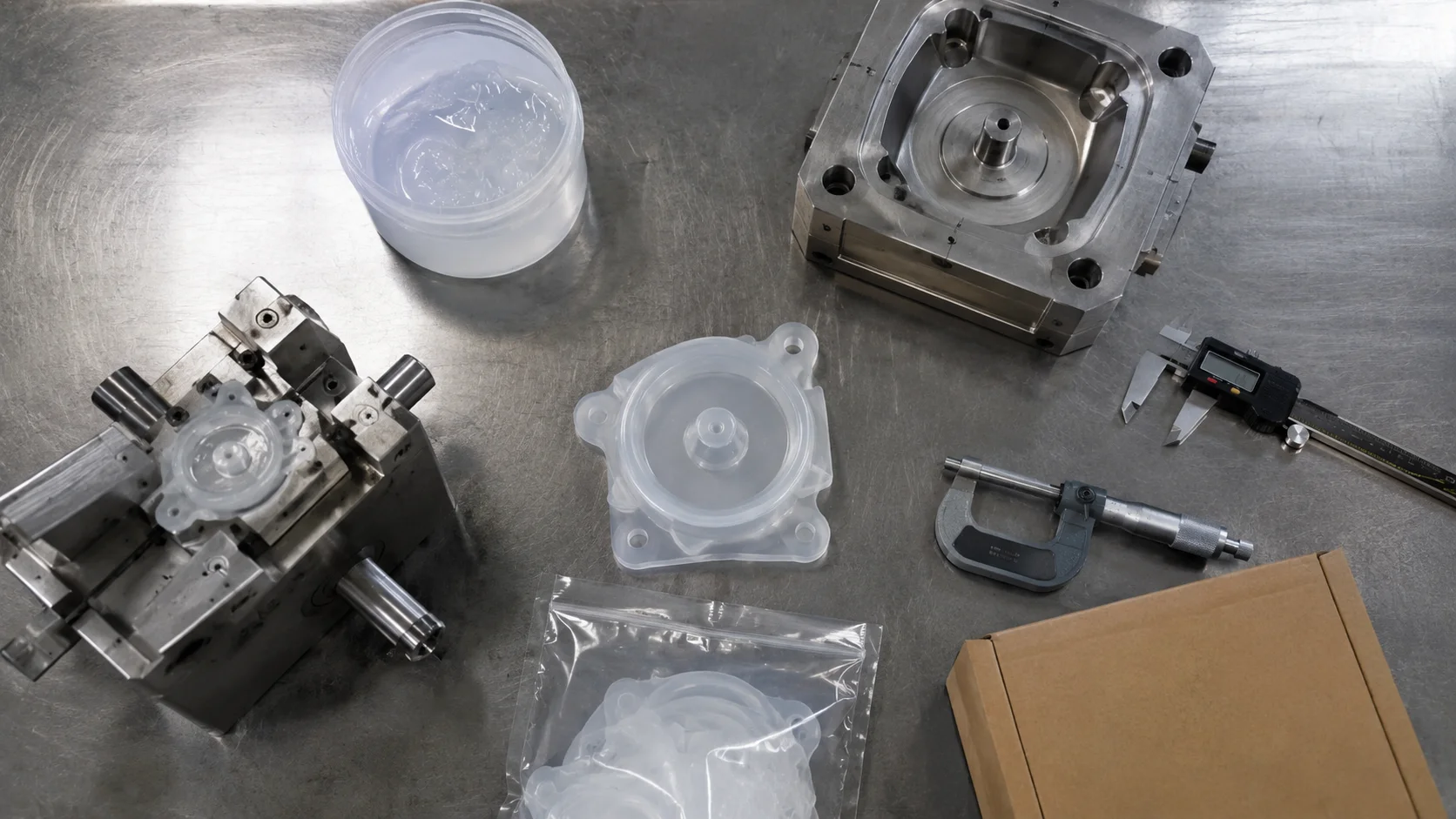
A clear estimate can be read in layers. The exact line items vary by project, but the logic below helps a buyer compare like with like.
| Layer | Typical questions |
|---|---|
| Part and material | What grade, hardness, color, shot weight, and scrap assumption are included? |
| Tooling | How many cavities, what runner, what venting, and what maintenance access? |
| Process | What cycle, handling, trimming, and automation assumptions are used? |
| Quality | Which dimensions, functional tests, documents, and sampling levels are required? |
| Program risk | What happens if the design, volume, material, or validation plan changes? |
Tooling is often the largest early decision
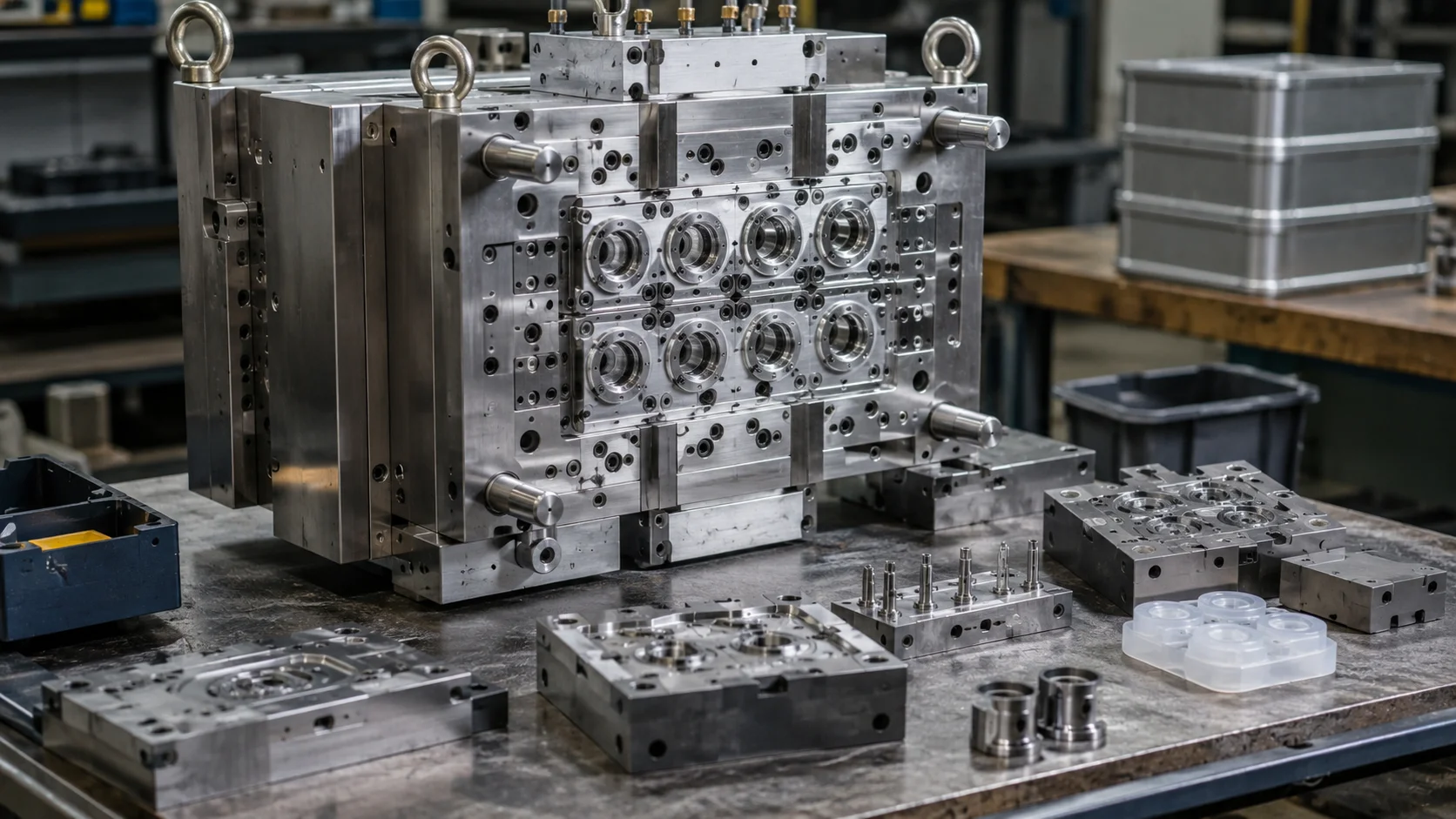
LSR tooling must control a low-viscosity material and release a flexible part without unwanted flash or distortion. A simple-looking component may still require careful parting-line work, micro-venting, tight shutoffs, inserts, special surface finishes, or a cold-runner concept. These design choices affect the initial tooling investment and the time needed for qualification.
Cavity count is another tradeoff. More cavities can lower the cycle contribution per part at higher volume, but they also increase the complexity of balance, inspection, maintenance, and troubleshooting. For uncertain demand, a smaller cavity tool may reduce launch risk. For a stable high-volume program, the additional tooling cost may be justified by throughput and labor reduction.
Geometry changes both material and process cost
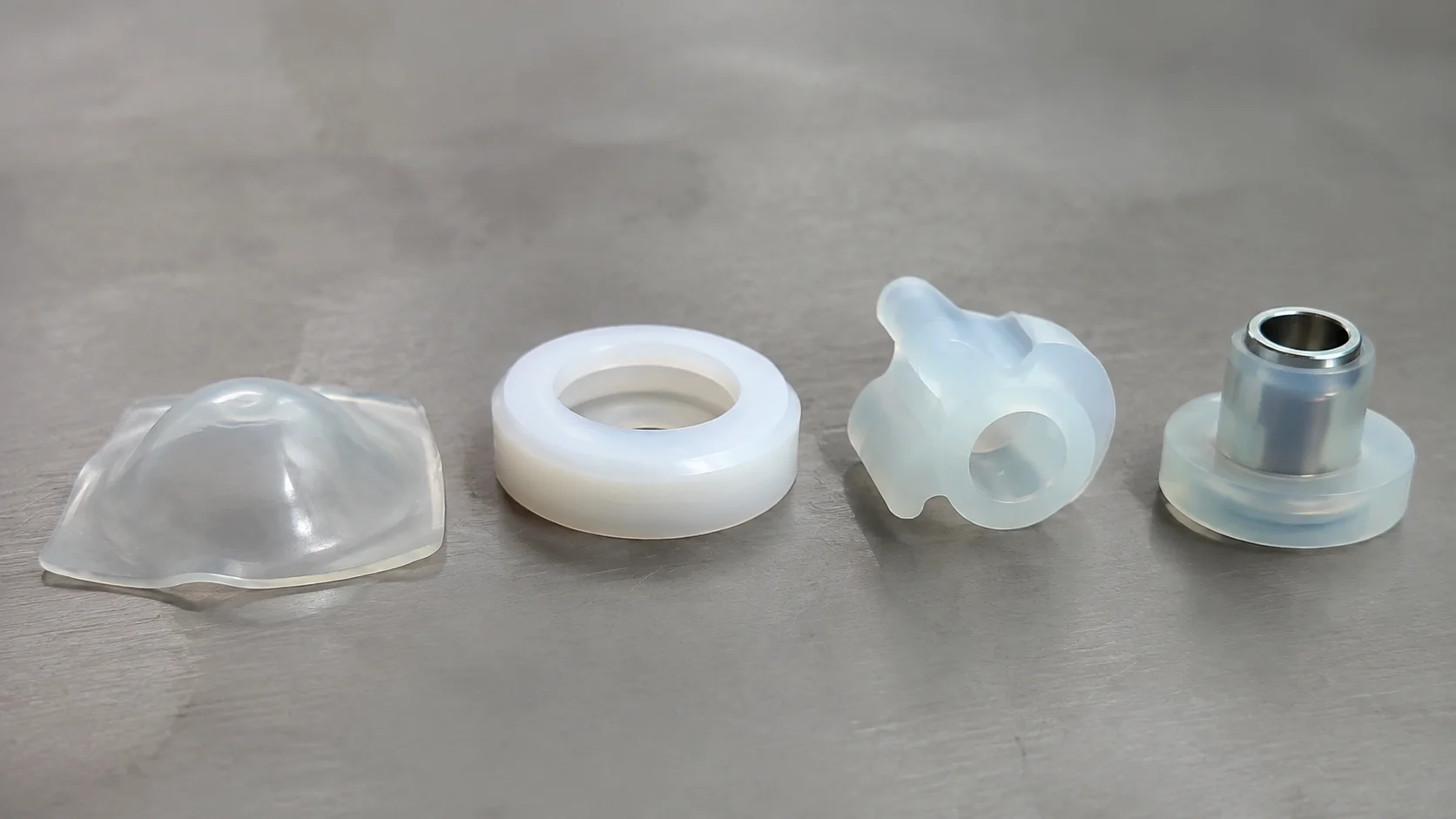
Part mass, wall thickness, flash sensitivity, undercuts, thin membranes, and the number of functional features affect the quote. A larger shot can increase material consumption, while a difficult release path can increase handling or inspection time. A long flow path may require more careful venting or a changed gate layout. The cost impact is not always proportional to part size.
- Share a fully defined 3D model and the latest 2D drawing.
- Mark sealing, flexing, appearance, and interface surfaces.
- Identify critical dimensions and the measurement condition.
- State any inserts, substrates, adhesives, or surface treatments.
- Describe the expected operating environment and life.
This information lets the tooling review identify cost drivers before a quote is treated as final. It also prevents a low initial estimate from being replaced by repeated engineering changes after design freeze.
Volume affects the break-even point
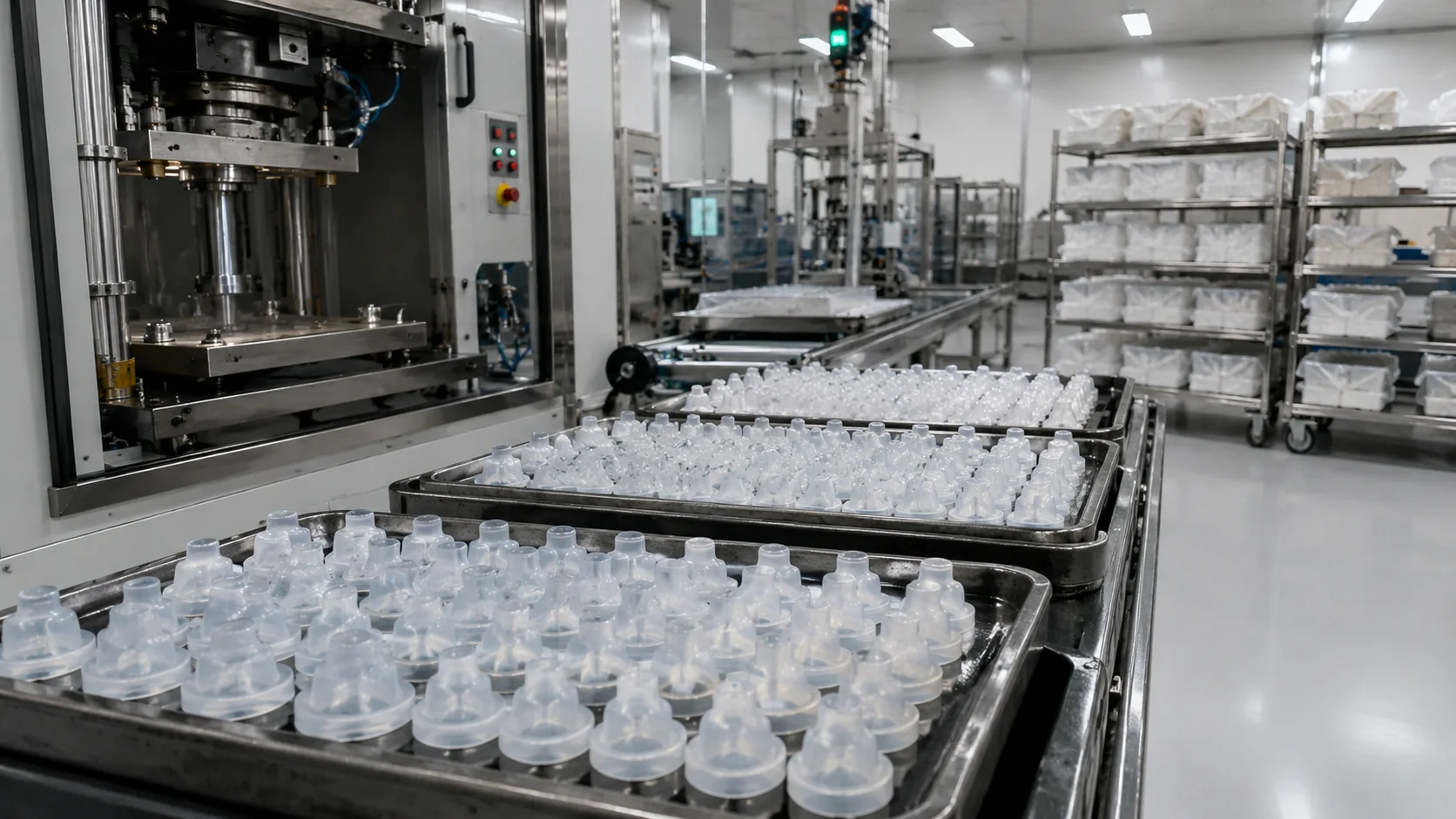
Annual demand, lot size, forecast stability, and product life determine whether automation and additional cavities are sensible. A part with a small annual volume may favor flexible handling and a lower-complexity tool. A part with large, repeatable demand may justify automated demolding, vision inspection, multi-cavity balancing, or a more sophisticated runner arrangement.
Ask for the assumptions behind the quoted piece price: cycle time, cavity count, expected yield, labor content, material utilization, and the volume used to amortize tooling. Compare the same annual quantity and the same quality scope across proposals. Otherwise a quote with a longer assumed run or a lower inspection level can look artificially cheaper.
Quality and documentation are real program costs
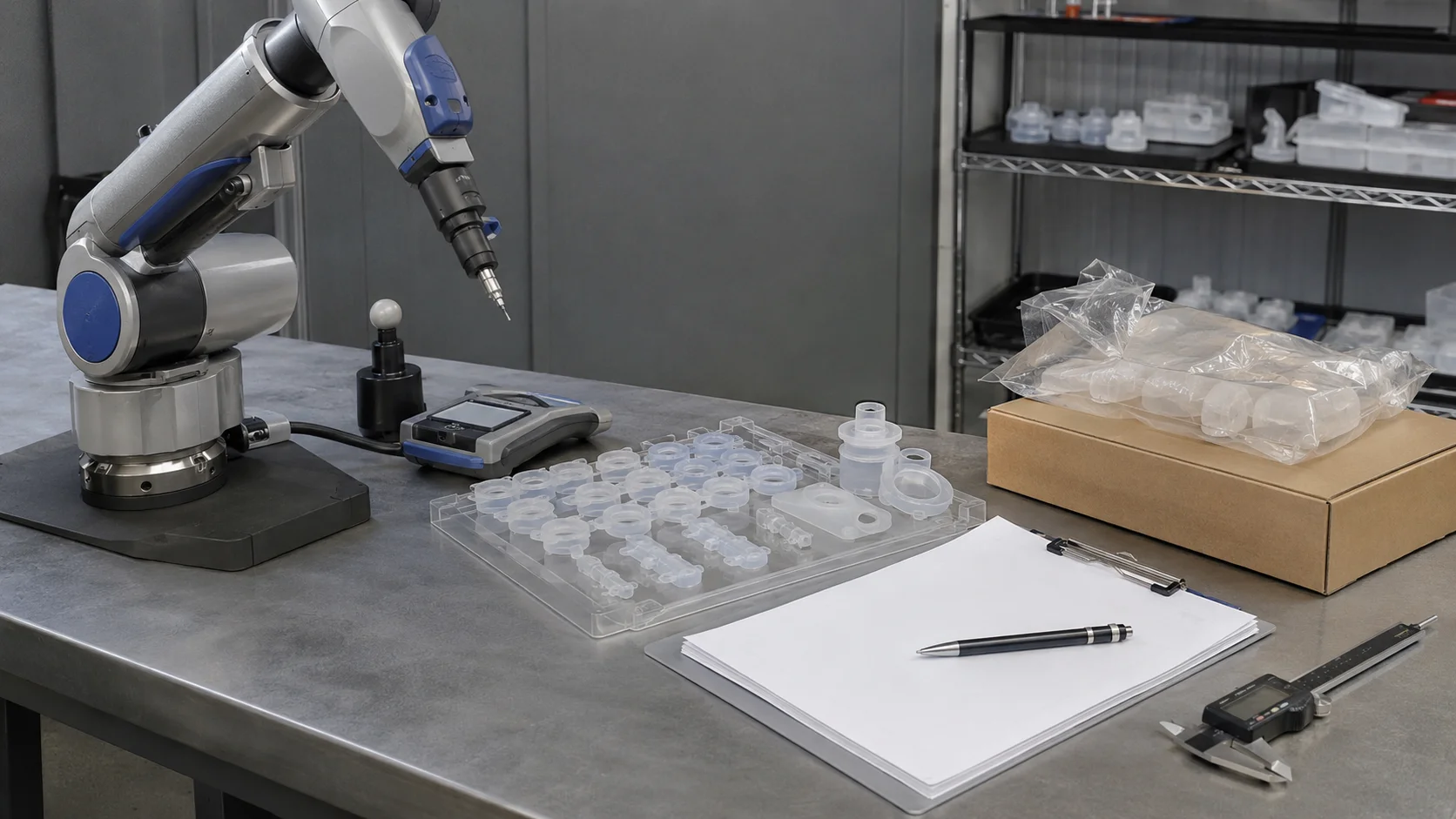
A general industrial seal and a regulated fluid-contact component do not carry the same quality workload. Requirements may include material certificates, lot traceability, first-article inspection, capability studies, functional tests, controlled packaging, or special environment controls. These are not optional decorations; they affect planning, staffing, equipment, and release timing.
Use the project’s acceptance plan to define the cost scope. Jucheng’s quality-control information can help organize the conversation about inspection gates, while the final quotation should list the customer-specific tests and records included.
Ask questions that expose hidden assumptions

- Is tooling maintenance, spare inserts, and preventive cleaning included?
- Is the material price based on a named grade and confirmed shot weight?
- What yield and scrap rate are assumed during normal production?
- Are trimming, post-cure, washing, sorting, and packaging included?
- What happens to price and lead time if the design changes after T1?
- Which documents and functional tests are included in the quoted scope?
The best cost discussion is specific enough to reveal tradeoffs without pretending that one universal formula fits every part. Send the CAD, drawing, forecast, material intent, critical requirements, and validation scope. A transparent model can then show which decisions reduce piece cost, which reduce launch risk, and which only move cost from tooling into labor or quality.