
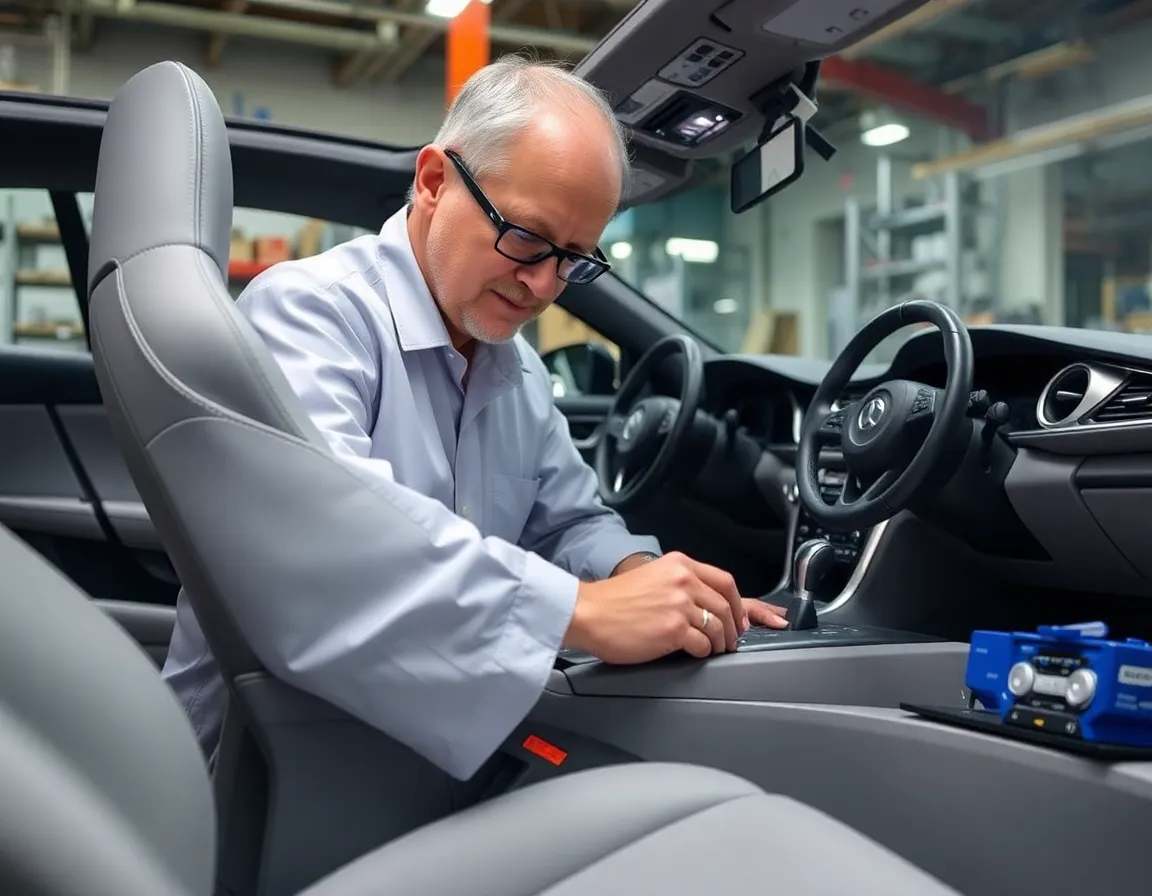
Giới thiệu: Vai trò quan trọng của nhà cung cấp dịch vụ ép phun ô tô
Ngành công nghiệp ô tô hiện đại là một kỳ quan của kỹ thuật chính xác, nơi hàng nghìn bộ phận phải hoạt động hài hòa hoàn hảo. Trong số những nhà đóng góp quan trọng nhất nhưng thường bị bỏ qua cho hệ sinh thái này là nhà cung cấp dịch vụ ép phun ô tô. Các nhà sản xuất chuyên biệt này tạo ra mọi thứ từ bảng điều khiển và tay nắm cửa đến các bộ phận động cơ phức tạp và vỏ điện. Khi xe trở nên nhẹ hơn, tiết kiệm nhiên liệu hơn và ngày càng điện khí hóa, nhu cầu về các bộ phận nhựa chất lượng cao, bền bỉ đã tăng vọt. Tuy nhiên, không phải tất cả các nhà cung cấp đều như nhau. Chọn sai đối tác có thể dẫn đến chậm trễ sản xuất, lỗi chất lượng và chi phí thu hồi tốn kém. Bài viết này khám phá năm phẩm chất hàng đầu xác định một nhà cung cấp dịch vụ ép phun ô tô đáng tin cậy, cung cấp cho bạn một khuôn khổ toàn diện để đánh giá và hợp tác.
Tiêu chí 1: Độ chính xác tuyệt đối và Kiểm soát chất lượng
Trong lĩnh vực ô tô, không có chỗ cho sai sót. Một bộ phận lỗi duy nhất có thể ảnh hưởng đến an toàn xe, gây ra khiếu nại bảo hành và làm hỏng danh tiếng thương hiệu. Phẩm chất đầu tiên và quan trọng nhất của một nhà cung cấp dịch vụ ép phun ô tô đáng tin cậy là cam kết của họ đối với độ chính xác tuyệt đối và hệ thống kiểm soát chất lượng mạnh mẽ.
Khuôn mẫu và thiết kế khuôn tiên tiến
Nền tảng của độ chính xác nằm ở khuôn. Một nhà cung cấp uy tín đầu tư mạnh vào khuôn thép cao cấp và khả năng gia công CNC tiên tiến. Họ tuyển dụng những thợ làm khuôn giàu kinh nghiệm, những người hiểu rõ các sắc thái của dòng chảy nhựa, tốc độ làm nguội và độ co rút. Nếu không có khuôn hoàn hảo, ngay cả máy ép phun tốt nhất cũng không thể tạo ra các bộ phận nhất quán và chính xác về kích thước. Hãy tìm những nhà cung cấp sử dụng phần mềm thiết kế hỗ trợ máy tính (CAD) và sản xuất hỗ trợ máy tính (CAM) để mô phỏng và tối ưu hóa quy trình ép phun trước khi cắt thép.
Hệ thống quản lý chất lượng nghiêm ngặt
Một nhà cung cấp đáng tin cậy sẽ được chứng nhận IATF 16949, tiêu chuẩn quốc tế dành riêng cho quản lý chất lượng ô tô. Chứng nhận này vượt xa các yêu cầu ISO 9001 thông thường. Nó bắt buộc kiểm soát quy trình nghiêm ngặt, cải tiến liên tục, ngăn ngừa lỗi và giảm thiểu biến động trong chuỗi cung ứng. Hơn nữa, họ nên áp dụng các kỹ thuật kiểm tra trong quy trình như:
- Giám sát quy trình theo thời gian thực sử dụng cảm biến để theo dõi nhiệt độ, áp suất và thời gian chu kỳ.
- Kiểm soát Quá trình Thống kê (SPC) để phát hiện các xu hướng trước khi chúng dẫn đến lỗi.
- Máy đo tọa độ (CMM) để kiểm tra kích thước chính xác.
- Kiểm tra không phá hủy các phương pháp như kiểm tra bằng tia X hoặc siêu âm để đảm bảo tính toàn vẹn bên trong của bộ phận.
Truy xuất nguồn gốc và Tài liệu
Trong trường hợp sự cố tại hiện trường, một nhà cung cấp đáng tin cậy có thể truy xuất từng lô bộ phận về đúng lô nguyên liệu thô, công nhân vận hành máy và các thông số quy trình đã sử dụng. Mức độ truy xuất nguồn gốc đầy đủ này là bắt buộc đối với các OEM ô tô. Họ duy trì tài liệu tỉ mỉ, bao gồm chứng nhận vật liệu, báo cáo kiểm tra và hồ sơ sai lệch quy trình, đảm bảo trách nhiệm giải trình hoàn toàn trong suốt vòng đời sản xuất.
Tiêu chí chất lượng 2: Chuyên môn sâu về Khoa học Vật liệu và Đổi mới
Nhựa ô tô không còn là hàng hóa đơn giản. Chúng là vật liệu kỹ thuật có các đặc tính cụ thể về độ bền, khả năng chịu nhiệt, ổn định tia UV và khả năng chống hóa chất. Một nhà cung cấp ép phun ô tô hàng đầu phải có chuyên môn sâu về khoa học vật liệu để tư vấn và xử lý các loại polymer phù hợp cho từng ứng dụng.
Phạm vi rộng các khả năng về vật liệu
Một nhà cung cấp đáng tin cậy làm việc với nhiều loại vật liệu, từ polypropylene (PP) và acrylonitrile butadiene styrene (ABS) tiêu chuẩn đến các loại nhựa kỹ thuật hiệu suất cao như polyamide (PA), polycarbonate (PC) và polyetheretherketone (PEEK). Họ cũng có kinh nghiệm với các hợp chất chuyên dụng như các loại gia cường thủy tinh, gia cường carbon và chống cháy. Điều quan trọng là họ hiểu cách xử lý các vật liệu này để đạt được các tính chất cơ học cần thiết mà không bị suy giảm do nhiệt hoặc lực cắt.
Hỗ trợ giảm trọng lượng và bền vững
Khi các nhà sản xuất ô tô nỗ lực đáp ứng các quy định nghiêm ngặt về tiết kiệm nhiên liệu và khí thải, giảm trọng lượng là chiến lược chính. Một nhà cung cấp đáng tin cậy có thể cung cấp các giải pháp như tạo bọt vi tế bào (MuCell) để giảm trọng lượng bộ phận, hoặc sử dụng nhựa nhiệt dẻo sợi dài thay thế các bộ phận kim loại. Ngoài ra, họ đi đầu trong sản xuất bền vững, cung cấp chuyên môn về hàm lượng tái chế (PCR), polyme sinh học và hệ thống tái chế khép kín cho phế liệu sản xuất. Sự đổi mới này không chỉ là giá trị gia tăng; nó ngày càng trở thành yêu cầu để kinh doanh với các thương hiệu ô tô lớn.
Xác nhận và thử nghiệm vật liệu
Ngoài việc chỉ xử lý vật liệu, một nhà cung cấp chất lượng tiến hành hoặc tạo điều kiện cho việc thử nghiệm nghiêm ngặt. Điều này bao gồm độ bền kéo, khả năng chống va đập, nhiệt độ biến dạng nhiệt (HDT) và các thử nghiệm phong hóa tăng tốc. Họ duy trì các phòng thí nghiệm nội bộ hoặc hợp tác với các cơ sở thử nghiệm được công nhận để xác nhận rằng mỗi lô vật liệu đáp ứng thông số kỹ thuật hiệu suất cụ thể của OEM.
Tiêu chí chất lượng 3: Chuỗi cung ứng mạnh mẽ và khả năng mở rộng sản xuất
Ngành công nghiệp ô tô hoạt động theo nguyên tắc sản xuất đúng lúc (JIT), nơi sự chậm trễ là thảm họa. Một nhà cung cấp dịch vụ ép phun ô tô đáng tin cậy phải chứng minh quản lý chuỗi cung ứng mạnh mẽ and the ability to scale production seamlessly.
Reliable Capacity and Redundancy
Trusted suppliers maintain a fleet of modern, well-maintained injection molding machines ranging from small tonnage (for intricate connectors) to very large tonnage (for bumpers and body panels). They have redundant capacity and contingency plans for equipment breakdowns. They also strategically source raw materials from multiple suppliers to avoid disruptions caused by geopolitical issues, natural disasters, or supplier bankruptcies. A supplier that can guarantee 99.9% on-time delivery is worth its weight in gold.
Global Footprint and Logistics
For large automotive programs, a supplier with a global manufacturing footprint is a significant advantage. They can produce parts near the OEM’s assembly plants, reducing shipping costs and lead times. They also have expertise in international logistics, customs compliance, and packaging solutions that protect parts during transit. Whether you need parts delivered to a plant in Detroit, Shanghai, or Stuttgart, a capable supplier has the infrastructure in place.
Scalability for Ramp-Up and Sustained Production
A trusted supplier can handle the entire product lifecycle. They support prototype and low-volume production for new vehicle launches, then seamlessly ramp up to high-volume mass production (often exceeding millions of parts per year). They also manage end-of-life production and service parts requirements, ensuring that replacement parts remain available long after a model has been discontinued. This flexibility is a hallmark of a mature and reliable partner.
Quality 4: Comprehensive Value-Added Services
Modern automotive injection molding suppliers are more than just manufacturers; they are integrated service providers. The best suppliers offer a suite of value-added services that streamline the development process and reduce total cost of ownership.
Thiết kế cho khả năng sản xuất (DFM)
Early supplier involvement is critical. A trusted supplier provides design for manufacturability (DFM) feedback during the product design phase. They analyze part geometry, wall thickness, draft angles, and gate locations to identify potential molding issues before the tool is built. This collaboration prevents costly mold modifications and ensures that the part can be produced efficiently and consistently. Their engineers act as a partner, not just a vendor.
Secondary Operations and Assembly
Many automotive parts require secondary operations such as ultrasonic welding, heat staking, pad printing, laser etching, or overmolding. A full-service supplier has these capabilities in-house, which eliminates the need to manage multiple vendors. They can also perform sub-assembly, delivering complete modules (e.g., a fully assembled door panel with switches and wiring) directly to the automotive assembly line. This reduces the OEM’s inventory and handling costs.
Tooling Maintenance and Lifecycle Management
Injection molds are expensive capital assets that require regular maintenance. A trusted supplier offers comprehensive tooling management, including preventive maintenance schedules, mold repair, and refurbishment. They can extend the life of a mold through engineering changes and surface treatments. This proactive approach prevents unplanned downtime and ensures consistent part quality over millions of cycles.
Quality 5: Proven Industry Track Record and Financial Stability
Finally, trust is built on a foundation of experience and reliability. The fifth quality of a trusted automotive injection molding supplier is a proven track record and demonstrable financial stability.
Established Relationships with Major OEMs
A supplier’s client list speaks volumes. If they have long-standing contracts with major automotive manufacturers (Tier 1 suppliers or OEMs like Toyota, Volkswagen, Ford, or Tesla), it indicates they have passed rigorous audits and consistently met demanding requirements. Ask for references and case studies. A supplier that has successfully launched dozens of new vehicle programs understands the complexities of the industry’s Advanced Product Quality Planning (APQP) and Production Part Approval Process (PPAP).
Financial Health and Investment Capacity
Automotive programs are capital-intensive, often requiring significant upfront investment in tooling and equipment. A financially stable supplier has the resources to invest in new technology, expand capacity, and weather economic downturns. Review their financial statements or credit ratings. A supplier that is debt-free or has strong cash reserves is less likely to go bankrupt mid-program, which would leave you with unfinished tooling and no parts.
Commitment to Continuous Improvement
The best suppliers are never satisfied with the status quo. They embrace methodologies like Lean Manufacturing, Six Sigma, and Kaizen to drive continuous improvement in quality, cost, and delivery. They regularly benchmark their performance against industry standards and invest in employee training. This culture of excellence ensures that their capabilities evolve with the automotive industry’s changing demands, particularly in areas like electric vehicle (EV) components and autonomous driving sensor housings.
Conclusion: Choosing a Partner for the Long Haul
Selecting a trusted automotive injection molding supplier is one of the most consequential decisions an automotive manufacturer can make. It is not merely a transactional relationship but a strategic partnership that impacts product quality, time-to-market, and overall competitiveness. By prioritizing uncompromising precision, material science expertise, robust supply chain capabilities, comprehensive value-added services, and a proven industry track record, you can identify a supplier that will not only meet your immediate needs but also grow with you into the future.
Remember, the cheapest quote is rarely the best value in the long run. Invest the time to audit potential suppliers, visit their facilities, and speak with their existing customers. The right partner will be transparent, communicative, and committed to your success. In the demanding world of automotive manufacturing, a trusted injection molding supplier is not just a vendor—they are an essential pillar of your operational excellence.