
استعراض التطبيقات الواقعية للتغليف الزائد يكشف كيف يلغي معالجة البوليمر متعدد المواد المثبتات الميكانيكية مع تعزيز متانة المنتج بشكل كبير. إن دمج الطبقات المرنة المطاطية مباشرة فوق الركائز الهيكلية الصلبة يسمح للمهندسين بتحقيق الراحة اللمسية، وامتصاص الصدمات، والعزل السائل المحكم في دورة قولبة واحدة. بدلاً من النظر إلى التغليف متعدد الراتنجات كعملية عامة، تقوم فرق الهندسة من الدرجة الأولى بتخصيص مجموعات بوليمر محددة لتلبية المتطلبات البيئية المميزة عبر قطاعات السيارات والطبية والصناعية.
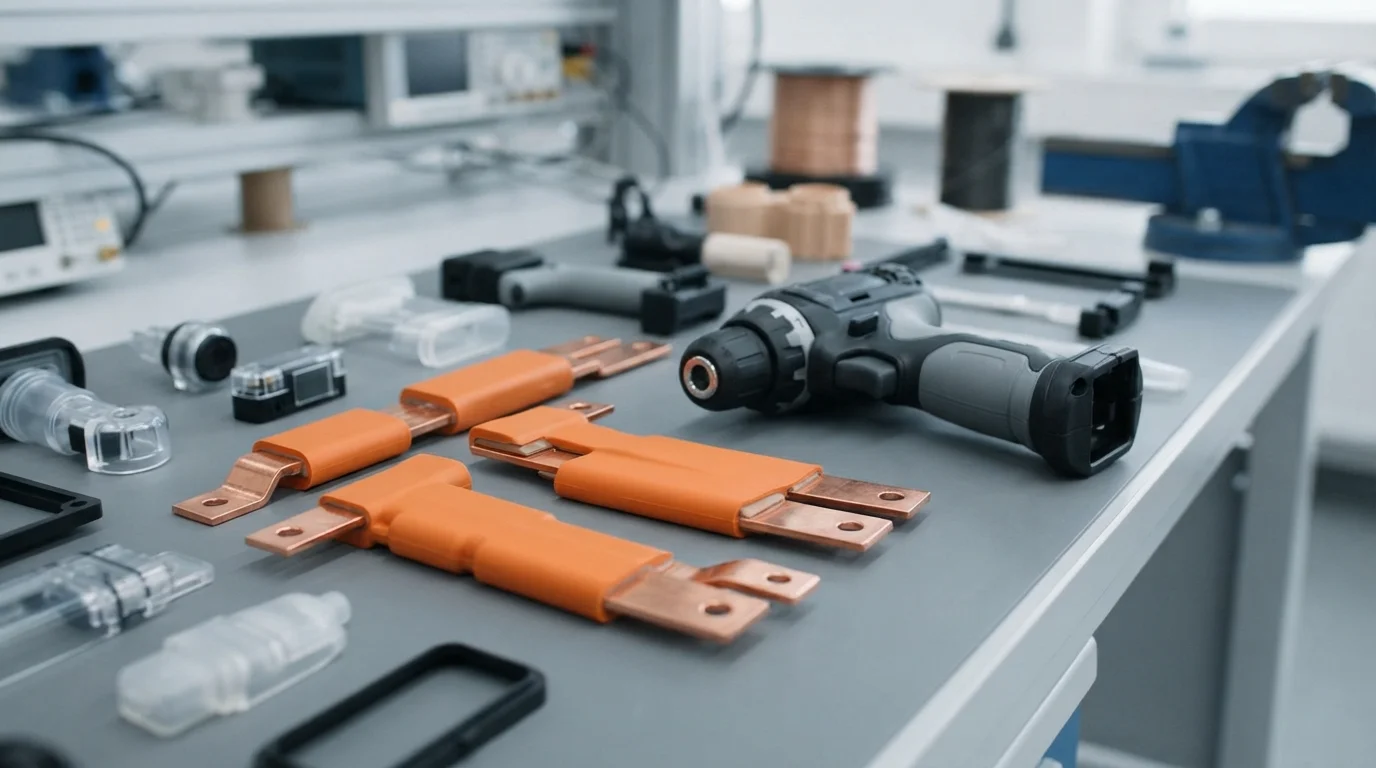
يعمل هذا العرض التقني الصناعي على تحليل التصميمات المثبتة متعددة المواد، وفحص كيمياء اقتران المواد، ومنع أوضاع الفشل، ومعايير جودة الإنتاج عبر ثلاثة قطاعات حيوية.
الأجهزة الطبية: المقابض المريحة والأدوات المعقمة المغلقة (ISO 13485)
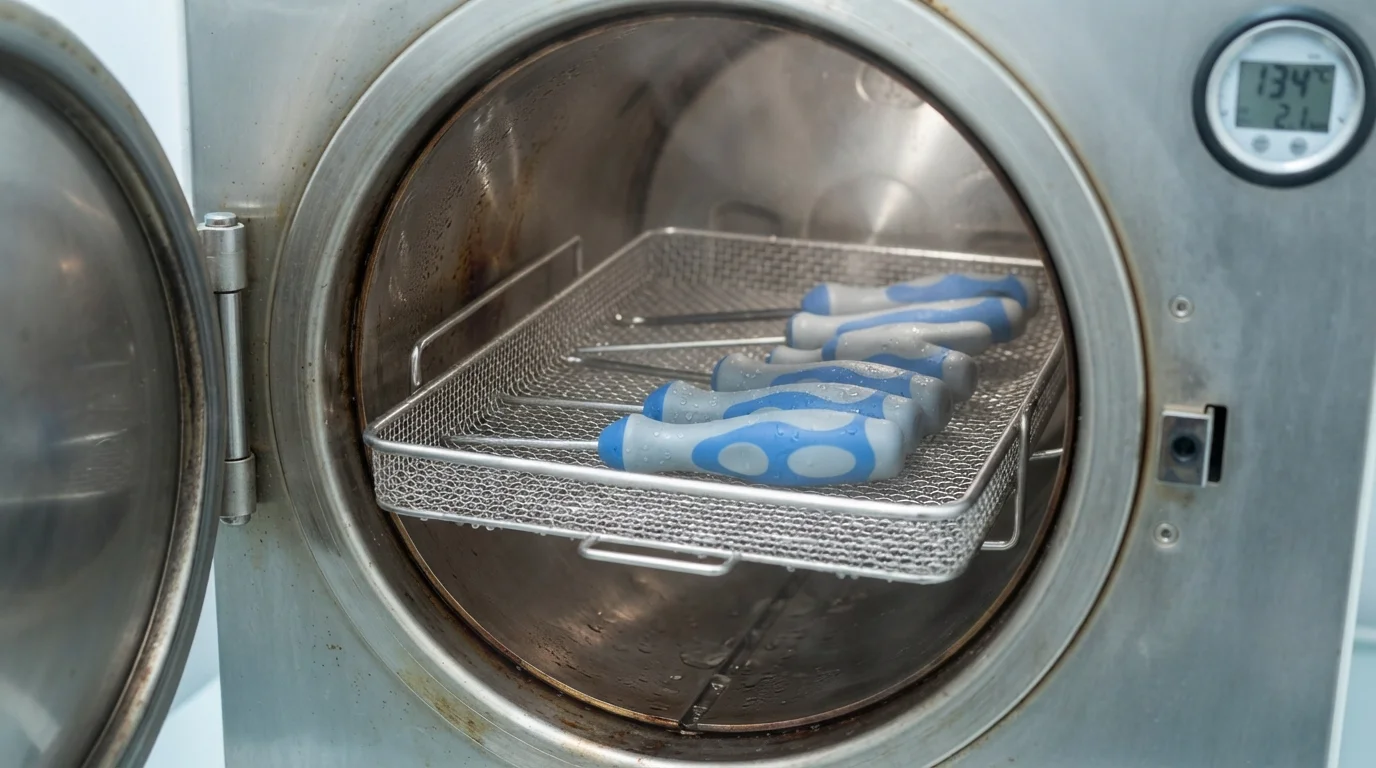
تتطلب الأدوات الجراحية والخراطيش التشخيصية تغليفًا متعدد المواد لمنع التلوث الميكروبي وتحسين التحكم من قبل المشغل. إن التغليف الزائد للمطاط الصناعي TPE أو وسيليكون المطاط السائل الطبيين مباشرة على الركائز الصلبة بولي كربونات (PC) المقابض تخلق تجميعات سلسة خالية من الشقوق. يمنع إزالة الشقوق دخول السوائل وتراكم الأعباء البيولوجية أثناء دورات التعقيم بالبخار المتكررة في الأوتوكلاف عند 134 درجة مئوية. يضمن العمل وفق شهادة ISO 13485 داخل غرفة نظيفة من الفئة 8 ISO أن المكونات المقولبة تتوافق مع توجيهات الفئة السادسة USP و ISO 10993 التوافق الحيوي الصارمة.
تشمل معايير تصميم التغليف الطبي:
- التحمل الحراري للأوتوكلاف—اختيار الإيلاستومرات الطبية التي تتحمل مئات دورات التعقيم بالبخار عالية الحرارة دون تشقق.
- مناعة المطهرات الكيميائية—تركيب قبضات خارجية لمقاومة المسحات السطحية العدوانية من مركبات الأمونيوم الرباعية وكحول الأيزوبروبيل.
- ملمس لمسي مانع للانزلاق—قولبة مناطق قبضة ذات نسيج دقيق للحفاظ على ردود فعل لمسية دقيقة للمشغل أثناء الإجراءات الجراحية الرطبة.
التصميمات الداخلية للسيارات والتحكم: المقابض والأختام وموصلات الجهد العالي (IATF 16949)
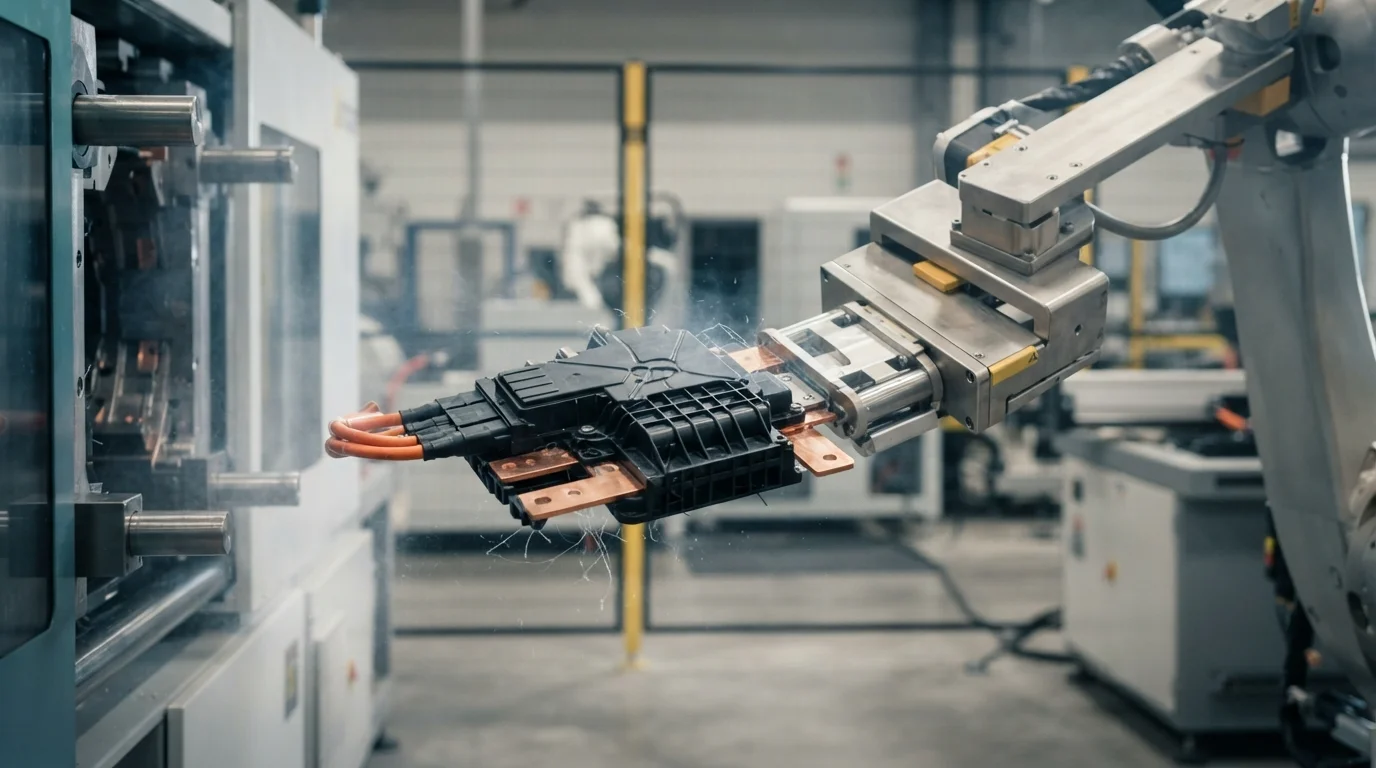
تستخدم مقصورات السيارات الحديثة ومجموعات نقل الحركة في المركبات الكهربائية (EV) معالجة متعددة الراتنجات لتعزيز الراحة اللمسية والسلامة الكهربائية. تجمع مقابض التحكم في المناخ الداخلي بين PC/ABS نوى شفافة TPU مقابض محيطية لإنتاج مؤشرات مضيئة من الخلف مقاومة للتآكل. حزم بطاريات الجهد العالي تغلف الأجزاء المختومة قضبان توصيل نحاسية بمادة مثبطة للهب PA66-GF30, ، مما يخلق حواجز عازلة دائمة مصنفة لهندسة 800 فولت. تشغيل مكابس كبيرة الحجم مزودة بتحكم تسلسلي في فتحات الحقن (SVG) يلغي خطوط اللحام المرئية على ألواح الأبواب المغطاة بقوالب ثقيلة.
الإلكترونيات الاستهلاكية والأدوات الكهربائية: أغلفة مطاطية صلبة مقاومة للصدمات
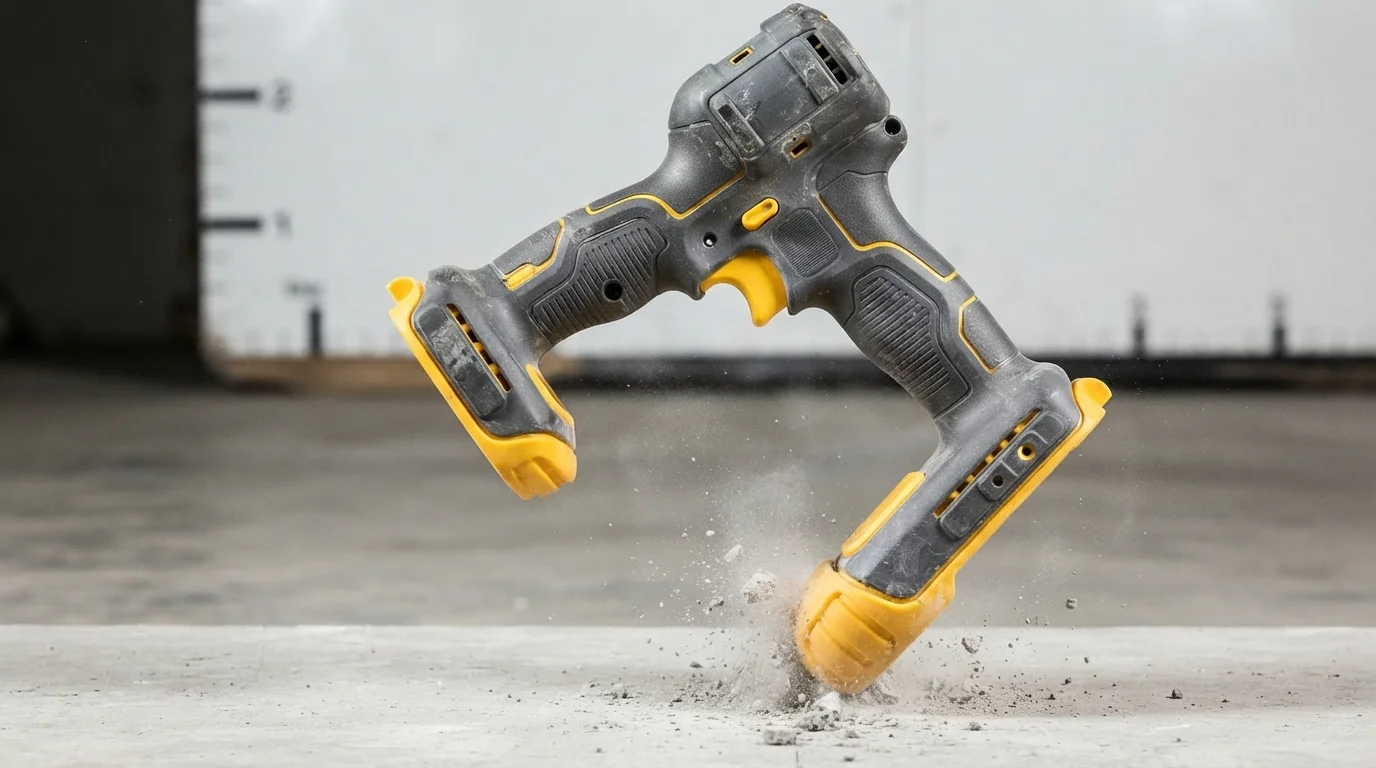
يجب أن تتحمل الأدوات الكهربائية الصناعية الثقيلة وماسحات الباركود المحمولة اختبارات السقوط المتكررة على الخرسانة من ارتفاع مترين دون تمزق الهيكل الميكانيكي. تغليف الهياكل ABS الهيكلية بإطارات ممتصة للطاقة Santoprene TPV يحمي لوحات الدوائر الداخلية الحساسة من أحمال الصدمات الشديدة. صب أضلاع مانعة للتسرب مستمرة من الإيلاستومر على طول محيط الهيكل يوفر حماية IP67 ضد الغبار ونفاثات الماء المضغوط. تحديد أختام حقن القولبة الزائدة مخصصة يحل محل إدخال الحشيات المطاطية اليدوية، مما يلغي أخطاء التجميع ويخفض تكاليف التصنيع للوحدة.
مرجع مصفوفة البوليمر: اختيار المواد حسب قطاع التطبيق
يتطلب اختيار زوج البوليمر الصحيح موازنة آليات الترابط الكيميائي مقابل ضغوط بيئة التشغيل. مراجعة تطبيقات القولبة الزائدة المثبتة يسلط الضوء على كيفية تحديد تقارب المواد لمتانة الوصلة طويلة الأجل. يوضح الجدول 1 أدناه مجموعات البوليمر القياسية عبر قطاعات التصنيع الصناعية الرئيسية:
| عرض التطبيق | الركيزة الهيكلية | البوليمر المقولب الزائد | مقياس الأداء الأساسي | نمط الفشل الحرج الذي تم منعه |
|---|---|---|---|---|
| قضبان توصيل السيارات الكهربائية | نحاس مختوم (C11000) | PA66-GF30 (UL94 V-0) | عزل عازل (800 فولت) | يمنع تتبع القوس الكهربائي |
| مقابض المباضع الطبية | بولي كربونات (PC) | TPE طبي (USP Class VI) | قبضة لمسية قابلة للتعقيم | يمنع احتباس السوائل البيولوجية |
| مثاقب الطاقة الصناعية | ABS / PC+ABS سبيكة | Santoprene TPV (60A) | امتصاص صدمات السقوط | يمنع كسر الهيكل على الخرسانة |
تنفيذ تطبيقات القولبة الزائدة المعقدة باستخدام مكابس متعددة الأسطوانات عالية الحمولة يضمن حدودًا خالية من النتوءات وتكرارًا أبعاديًا.
الأسئلة الشائعة (FAQs)
لماذا تتزايد تطبيقات القولبة فوق القوالب بسرعة في تصنيع بطاريات السيارات الكهربائية؟
تقوم القولبة فوق القوالب بتغليف قضبان النحاس عالية التيار مباشرة داخل البلاستيك المثبط للهب، مما يخلق عزلًا كهربائيًا كاملًا وإحكامًا بمعيار IP67 دون لف يدوي. التغليف بخطوة واحدة يحسن مسافات الزحف الكهربائية ويتحمل الاهتزازات الشديدة للمركبات.
كيف تتحمل المقابض الطبية المقولبة فوق القوالب المطهرات القاسية في المستشفيات؟
تستخدم تركيبات TPE والسيليكون الطبية بوليمرات ذات سلاسل مشبعة تقاوم الأكسدة الكيميائية من مواد التبييض والمناديل الكحولية. مقاومة المواد الكيميائية تمنع تليين السطح أو اللزوجة أو التشقق الدقيق على مدى سنوات من الاستخدام في المستشفيات.
ما الذي يمنع الانفصال بين المطاط والبلاستيك في مقابض الأدوات الكهربائية؟
منع الانفصال يعتمد على الانتشار الجزيئي الحراري بين الراتنجات المتوافقة مثل ABS وTPE، معززًا بقواطع ميكانيكية على شكل ذيل الحمامة بزاوية 90 درجة في الركيزة. تضمن قنوات القفل الفيزيائية عدم تقشر المطاط حتى تحت أحمال الالتواء الدورية الشديدة.
هل يمكن للقولبة فوق القوالب تحقيق أختام هوائية محكمة على أغلفة أجهزة الاستشعار الإلكترونية؟
تحقق القولبة فوق القوالب تصنيفات مقاومة الماء IP67 وIP68 عن طريق حقن راتنجات مرنة مثل Santoprene TPV مباشرة في أخاديد إحكام محيطية مصممة بدقة. يشكل البوليمر المتقلص ختمًا مستمرًا عالي الضغط حول الأسلاك وخطوط فصل الغلاف.
لماذا يعتبر القولبة في غرف نظيفة بمعيار ISO Class 8 إلزاميًا للأجزاء الطبية المقولبة فوق القوالب؟
التحكم في التلوث بالجسيمات المحمولة جوًا أثناء المعالجة متعددة المواد. تتطلب الأدوات الجراحية وخراطيش التشخيص السوائل وأقنعة التنفس تغليفًا في غرف نظيفة لتلبية متطلبات ISO 13485 وUSP Class VI الطبية.
كيف تؤثر دقة إغلاق القالب على جودة الأجزاء المقولبة فوق القوالب؟
أسطح إغلاق القالب المثبتة تحت تفاوتات تركيب ضيقة (أقل من 0.01 مم) تمنع تسرب مصهور البوليمر المرن فوق الأسطح الظاهرة. خطوات الإغلاق الحادة بزاوية 90 درجة تقضي على حواف الفلاش الرفيعة التي تسبب التقشر تحت التآكل الميكانيكي اليومي.