
Designing metal-plastic hybrid components requires balancing the plastic section, ejection requirements and insert retention. As the polymer cools around an embedded metal insert, differences in shrinkage can stress the surrounding plastic.
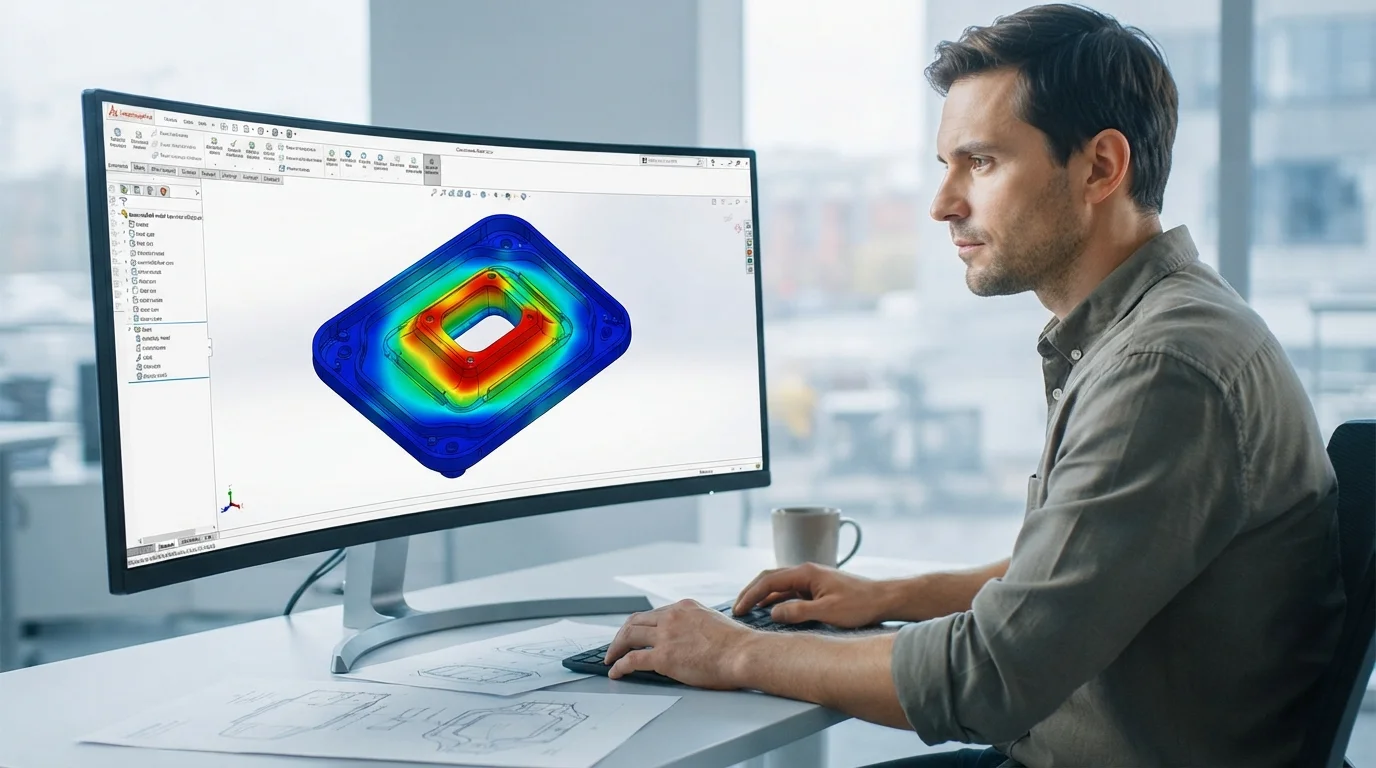
A thin boss or a sharp internal corner can contribute to cracking around the insert. Review the actual insert, resin, boss geometry and service loads before cutting the mold. This guide covers boss design, mechanical retention and mold shut-off.
جدول المحتويات
معلمات CAD الحرجة: قطر النتوء، وسماكة الجدار، وزوايا السحب
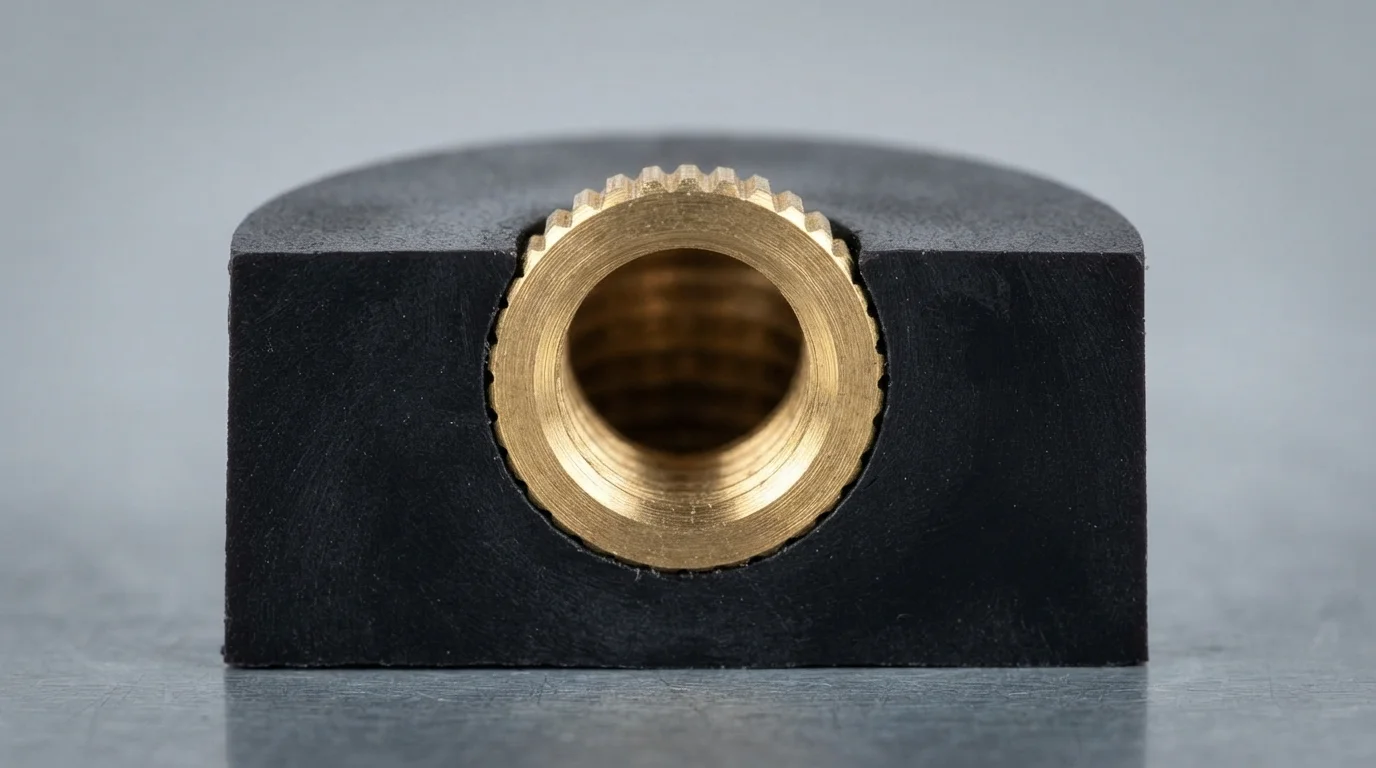
Use the following إرشادات التصميم للقولبة بالحشو to size the boss for the specified insert, resin, assembly torque and service loads. Avoid abrupt changes in the plastic section and verify fill, sink and cracking on representative parts. Use the specific resin grade and its molding guidance when evaluating materials such as PA66, PBT, ، أو PC/ABS.
Select draft for the resin, draw depth, surface finish and ejection method. Check textured surfaces with the toolmaker rather than applying a fixed extra angle. Use a smooth radius at the boss base where geometry allows, while avoiding a thick section that can show sink.
| معامل التصميم | إرشادات CAD الموصى بها | الخطر الفيزيائي للانتهاك | استراتيجية التحسين الأساسية |
|---|---|---|---|
| Boss Outer Diameter | Size for the insert and resin | 冷却过程中的环向应力开裂 | Check the section and test boss retention |
| 凸台壁拔模角 | Set for draw depth and surface finish | 芯部拖痕与零件变形 | Confirm textured-wall release at tool trial |
| 底座圆角半径 | Size for the local section | 局部缺口应力集中 | 平滑的内部凸台到壁面的转角过渡 |
滚花机制与互锁特征设计
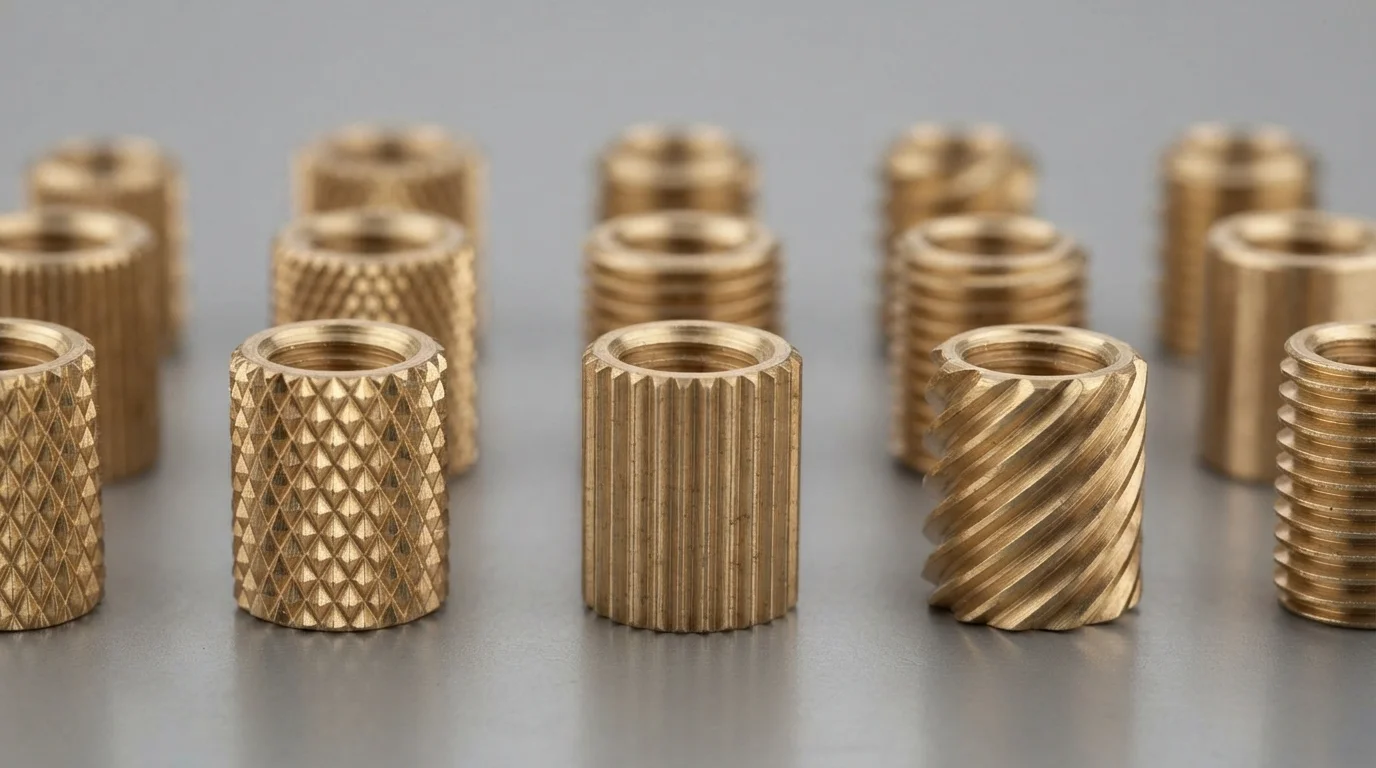
Torque-out and axial pull-out are separate checks. Molded-in 黄铜 inserts may use straight, diamond or helical knurls. No one pattern is best for every resin, insert and loading condition.
Annular grooves or undercuts can resist axial extraction when the resin adequately fills them. For custom التشكيل بالحقن للإدخالات use representative molded parts to test torque-out and pull-out separately, and check for rotation under the required assembly torque.
تشمل خطوات تصميم التداخل الميكانيكي الرئيسية ما يلي:
- Knurl selection—Select the pattern for the required torque resistance and confirm performance in the specified resin and boss.
- إدراج الأخدود الحلقي—Consider a groove or shoulder for axial retention and verify pull-out resistance under representative conditions.
- خلوص عمق التخديد—Check that resin consistently fills the insert features. Review flow and venting if fill is incomplete.
- خط توجيه الفيشة—يؤدي دمج خط توجيه أملس إلى تبسيط تحميل دبوس القلب يدويًا أو آليًا.
تصميم أسطح إغلاق القالب لمنع زوائد البلاستيك (الفلاش)
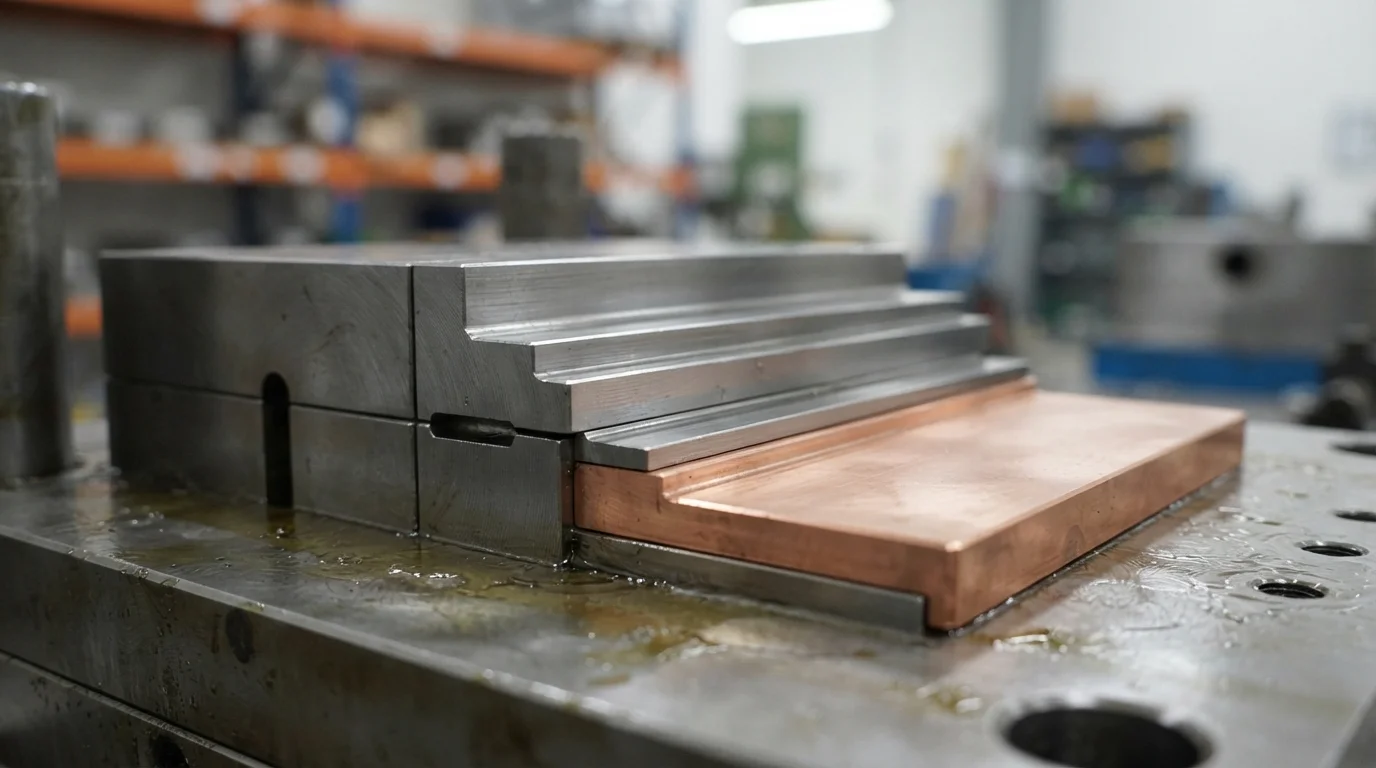
A shut-off is the tooling contact intended to keep resin out of a specified area, such as a thread or electrical contact. Identify the protected area and confirm how the actual insert seats in the tool.
Set contact geometry for the insert and tool tolerances, seating, resin and molding conditions. A compliant locating feature may help in some setups, but verify contact without insert damage across the expected variation. At tool trial, check threads or contacts for flash and damage.
الأسئلة الشائعة (FAQs)
ما هي نسبة سماكة جدار البروز (البوس) الموصى بها للقطع النحاسية الملولبة؟
There is no universal boss-to-insert ratio. Start with the supplier guidance for the selected molded-in insert, then verify the boss with the specified resin, assembly torque and axial load.
أي نمط نقش تخريم يوفر أعلى مقاومة ضد عزم الدوران؟
There is no universal top-performing pattern. Compare torque-out with the actual insert, resin and boss geometry. Check axial pull-out separately, particularly when grooves or undercuts are part of the retention design.
كيف تمنع مناطق الإغلاق تسرب الراتنج إلى خيوط النحاس؟
Shut-off contact limits melt flow into the thread area when the insert is properly seated. Set the land geometry from the tooling and insert tolerance stack and verify thread usability and flash on molded trial parts.