
Nâng cao tính thẩm mỹ của phần cứng nhựa, tính công thái học xúc giác và hiệu suất điện từ đòi hỏi quy trình trang trí sau đúc toàn diện và xử lý bề mặt lòng khuôn. Các bộ phận nhựa đúc thô tiêu chuẩn thường xuất hiện đường chảy, đường nối mặt phân khuôn hoặc vết chốt đẩy làm giảm chất lượng thị giác. Việc áp dụng các họa tiết khuôn chuyên dụng, đánh bóng gương kim cương, lớp phủ dẫn điện hoặc in pad nhiều màu sẽ biến các bộ phận polymer thô thành các linh kiện bán lẻ sẵn sàng cho thị trường. Hướng dẫn kỹ thuật này xem xét các tiêu chuẩn đánh bóng SPI, tạo họa tiết VDI, các phương pháp in thứ cấp và công nghệ che chắn EMI/RFI.

Mục lục
Đánh bóng Khuôn SPI (Hoàn thiện Gương A-1) & Tạo Họa tiết VDI / Mold-Tech
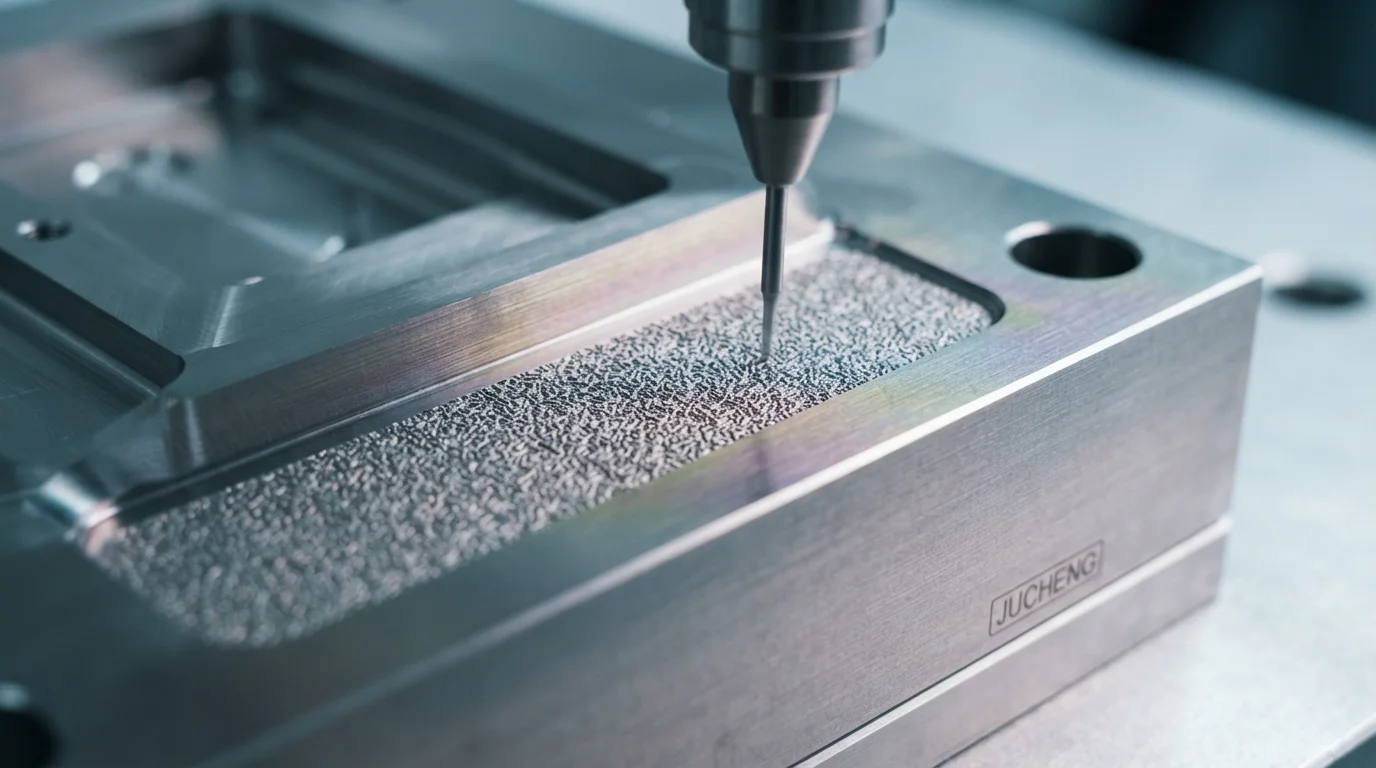
Việc chỉ định hoàn thiện bề mặt ép phun nhựa chuyên nghiệp bắt đầu trong quá trình chế tạo lòng khuôn. Việc chuẩn bị bề mặt lòng khuôn tuân theo tiêu chuẩn đánh bóng của Hiệp hội Công nghiệp Nhựa (SPI) quốc tế. Đạt được hoàn thiện gương SPI A-1 đòi hỏi phải đánh bóng thủ công tiến dần bằng hợp chất bột nhão kim cương trên thép đã tôi cứng S136不锈钢, loại bỏ các vết xước siêu nhỏ cho thấu kính quang học và bề mặt bóng cao polycarbonate (PC) che phủ. Việc áp dụng tạo vân bề mặt VDI 3400 hoặc khắc hóa học Mold-Tech tạo ra các vân bề mặt nhám mờ, da thuộc hoặc hình học được kiểm soát trực tiếp trên bề mặt lòng khuôn. Tạo vân hóa học che giấu các đường chảy và bóng vết lõm đồng thời tăng cường độ bám xúc giác trên vỏ thiết bị điện tử tiêu dùng.
Tiêu chuẩn hoàn thiện bề mặt lòng khuôn bao gồm:
- đánh bóng kim cương SPI A-1—Mài rà thép đã tôi cứng bằng bột nhão kim cương 3 micron tạo ra bề mặt gương quang học bóng cao.
- tạo vân bằng xung điện VDI 3400—Gia công phóng điện tạo ra các vi vân nhám mờ được kiểm soát từ VDI 12 đến VDI 36.
- khắc hóa học Mold-Tech—Khắc axit tạo ra các hoa văn da thuộc, vân gỗ hoặc hình học phức tạp trực tiếp trên thép lòng khuôn.
- Bù góc thoát khuôn—Tăng góc thoát khuôn theo phương thẳng đứng thêm 1° cho mỗi 0,025 mm độ sâu vân bề mặt đảm bảo tháo chi tiết sạch mà không bị xước.
Công đoạn thứ cấp: In pad, in lụa, khắc laser & sơn
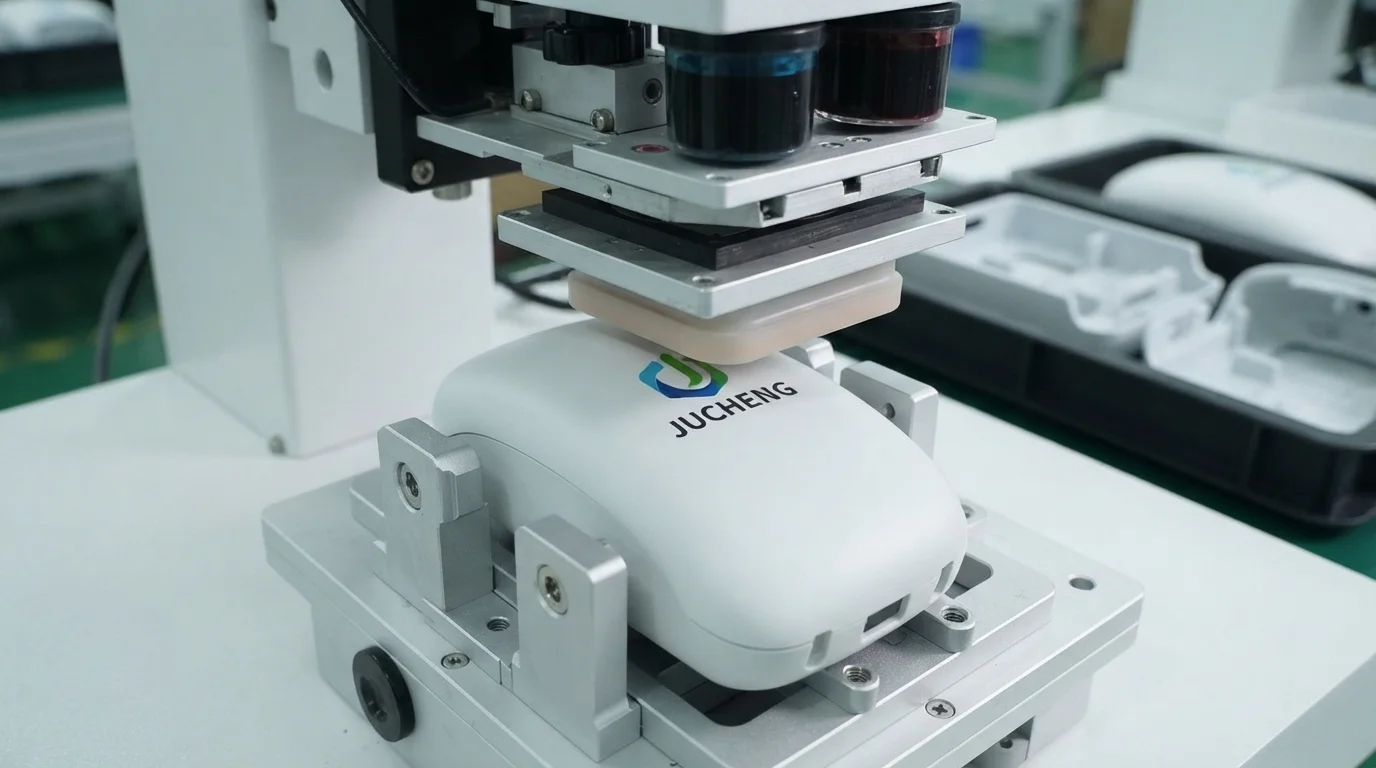
Secondary post-molding operations add functional symbols, branding logos, and protective coatings to molded ABS hoặc PC/ABS parts. Utilizing multi-color in pad transfers silicone pad ink onto complex three-dimensional curves and textured surfaces seamlessly. Laser engraving burns away superficial paint coats on backlit buttons, creating precise, light-transmitting symbols. Automated liquid spray painting and UV hard-coat applications improve scratch resistance and chemical immunity on automotive interior trims.
Conductive EMI/RFI Shielding Coatings for Electronic Enclosures
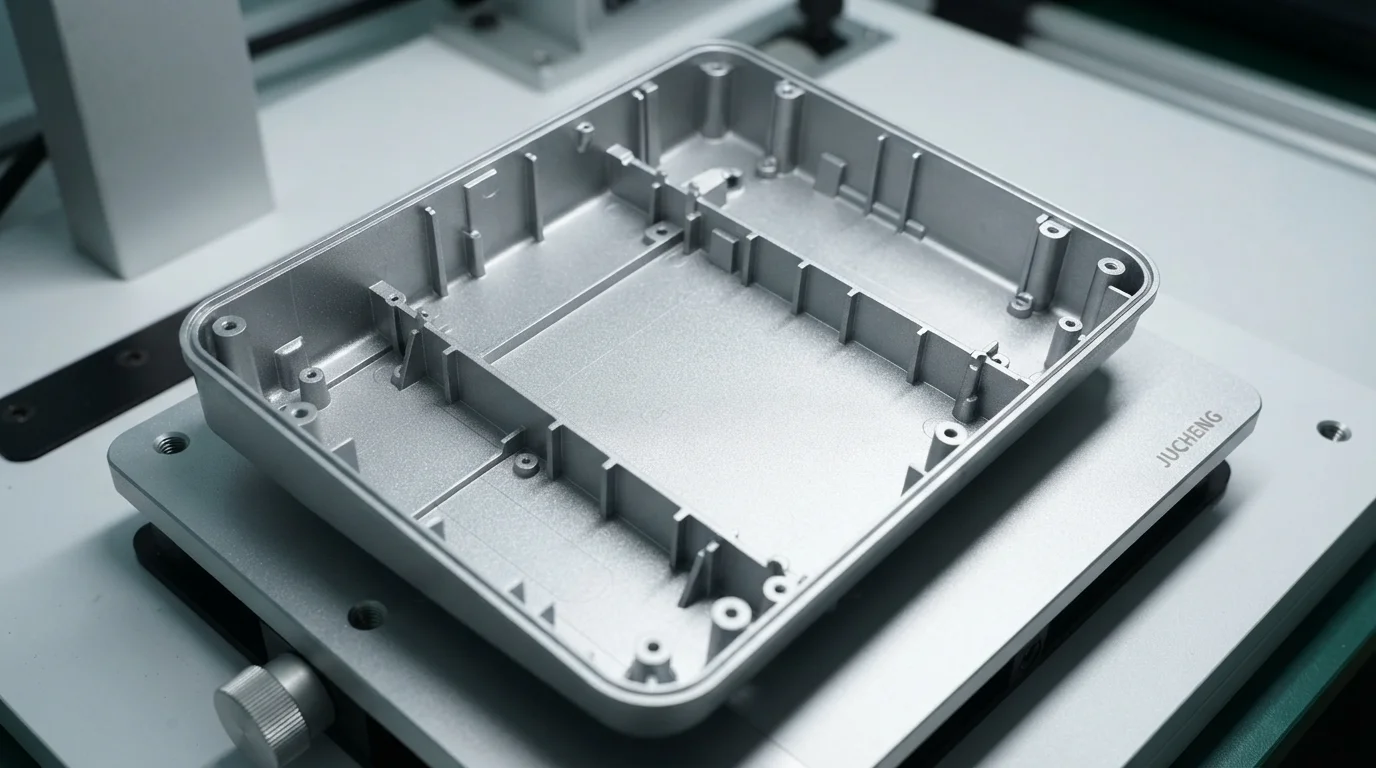
Electronic enclosures housing sensitive circuit boards require protection against electromagnetic interference. Applying conductive EMI/RFI shielding coatings inside plastic housings prevents stray radio frequency signals from disrupting internal electronics. Specialized spray painting utilizes nickel, copper, or silver conductive paint formulations to form a continuous grounding barrier. Achieving low surface resistance below 0.1 Ω/sq meets global FCC and CE electromagnetic compatibility regulations for medical and aerospace devices.
| Surface Finishing Method | Roughness / Thickness | Chất nền tương thích | Primary Aesthetic / Functional Benefit |
|---|---|---|---|
| SPI A-1 Diamond Polish | Ra < 0.012 μm | PC, PMMA, Optical Resins | High-gloss transparency for optical lenses & light guides |
| VDI 24 Spark Texture | Ra = 1.6 μm | ABS, PC/ABS, PP, PA66 | Matte tactile finish masking sink marks & scratches |
| Conductive Nickel Coating | 25 – 50 μm dry film | ABS, PC/ABS, PBT | EMI/RFI shielding (< 0.1 Ω/sq) for electronic housings |
Các câu hỏi thường gặp (FAQ)
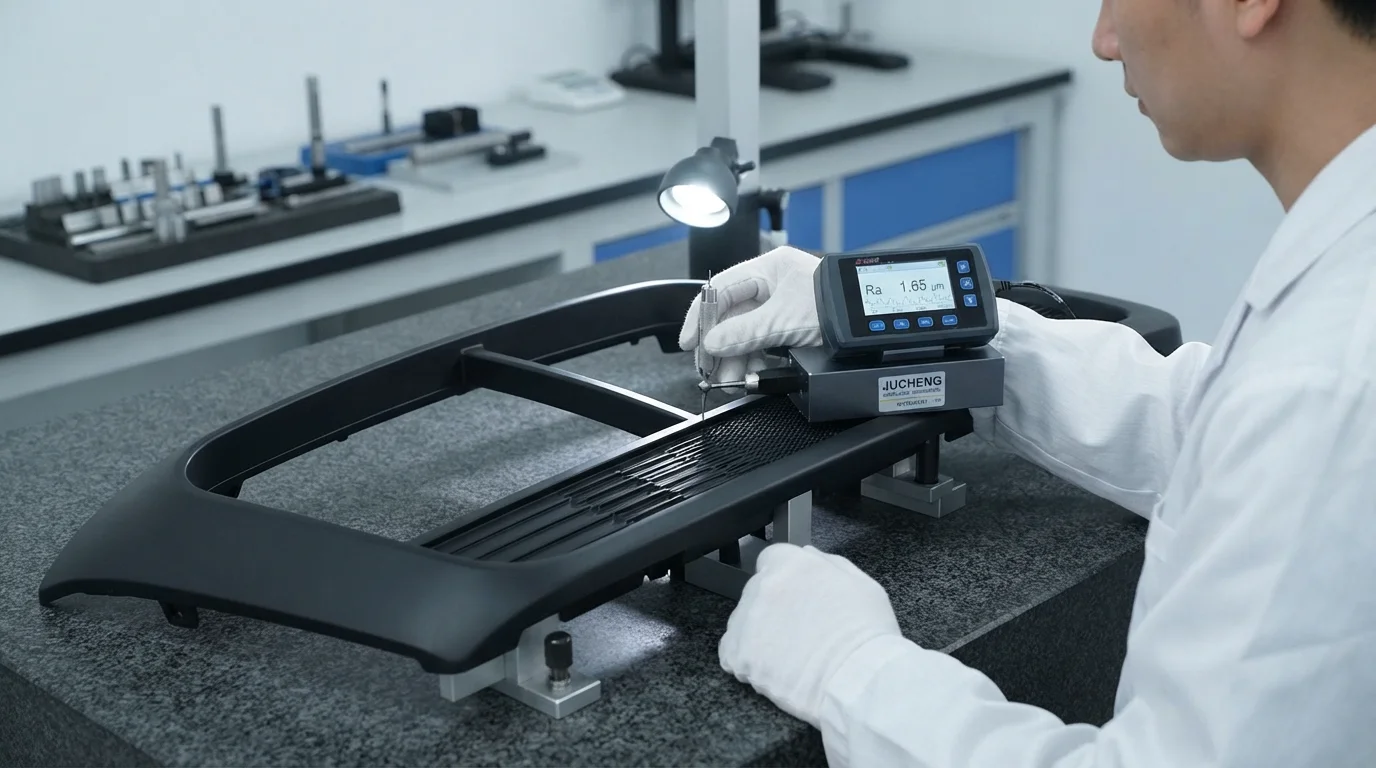
What is the difference between SPI A-1 and VDI 24 surface finishes?
SPI A-1 represents an optical diamond mirror finish polished to a smooth surface roughness Ra under 0.012 microns, ideal for transparent lenses. VDI 24 is a matte spark-erosion texture produced by electrical discharge machining, offering a medium tactile grip that masks cosmetic sink marks and scratch defects on opaque enclosures.
Why do textured mold cavities require larger draft angles than polished cavities?
Textured cavity walls feature microscopic peaks and valleys that mechanically grip the shrinking plastic during cooling. Insufficient draft angles cause the plastic skin to drag against the textured steel during ejection, creating unsightly scuff marks. Adding 1° of draft for every 0.025 mm of texture depth ensures smooth release without damaging the pattern.
How do conductive spray coatings provide EMI shielding in plastic housings?
Conductive spray coatings contain microscopic nickel, copper, or silver flakes suspended in a liquid binder. When sprayed onto the internal surfaces of a plastic enclosure, the metal particles form a continuous conductive grid. This metallic layer reflects and absorbs electromagnetic radiation, preventing high-frequency noise from interfering with delicate electronic components.