
Khảo sát thực tế các ứng dụng đúc phủ cho thấy cách xử lý polymer đa vật liệu loại bỏ các chi tiết kẹp cơ khí trong khi nâng cao đáng kể độ bền của sản phẩm. Việc tích hợp các lớp elastomer dẻo trực tiếp lên các nền kết cấu cứng cho phép các kỹ sư đạt được sự thoải mái khi chạm, khả năng hấp thụ sốc và cách ly chất lỏng kín khí trong một chu kỳ đúc duy nhất. Thay vì coi việc bao bọc đa nhựa là một quy trình chung chung, các đội ngũ kỹ thuật hàng đầu điều chỉnh các tổ hợp polymer cụ thể theo nhu cầu môi trường riêng biệt trong các lĩnh vực ô tô, y tế và công nghiệp.
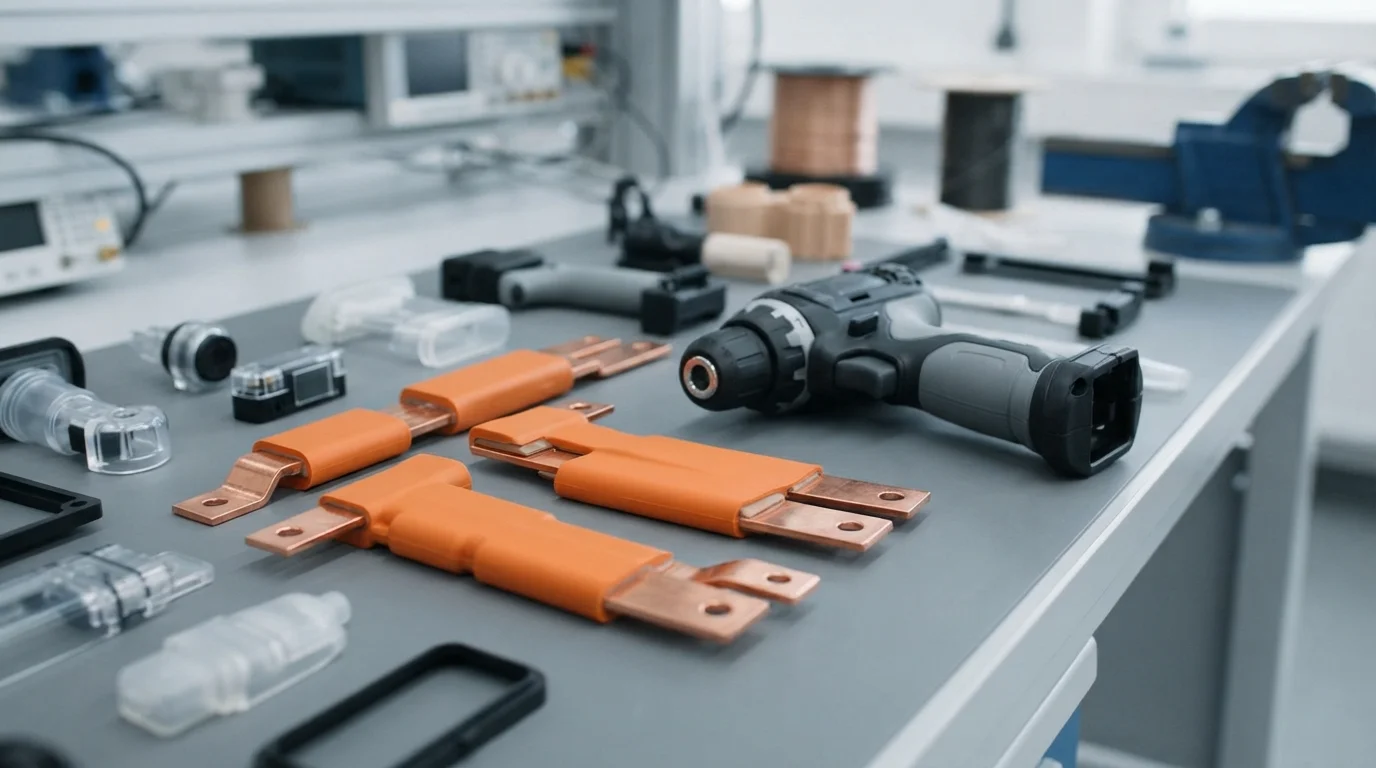
Buổi giới thiệu kỹ thuật ngành này phân tích các thiết kế đa vật liệu đã được chứng minh, xem xét hóa học kết hợp vật liệu, phòng ngừa chế độ hỏng hóc và tiêu chuẩn chất lượng sản xuất trên ba lĩnh vực trọng yếu.
Thiết bị y tế: Tay cầm công thái học & Dụng cụ vô trùng kín (ISO 13485)
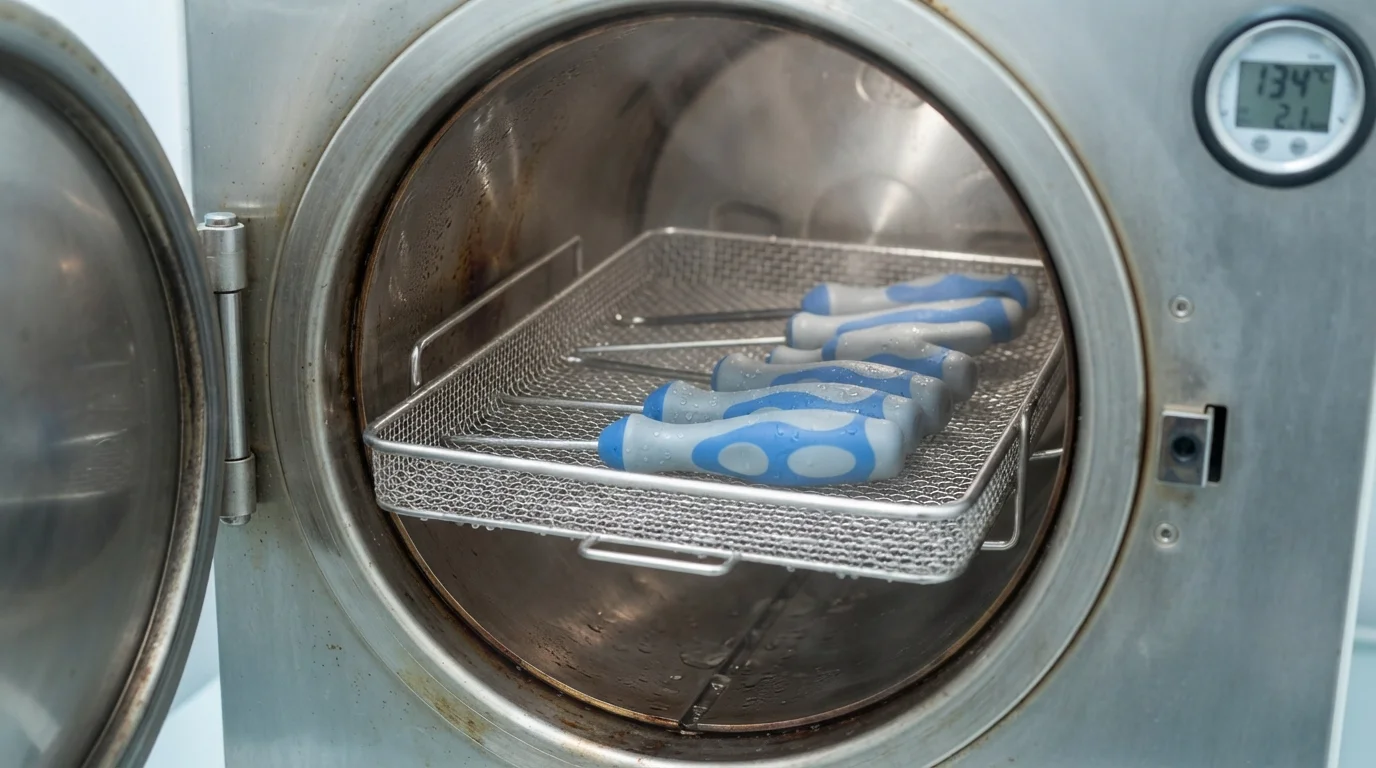
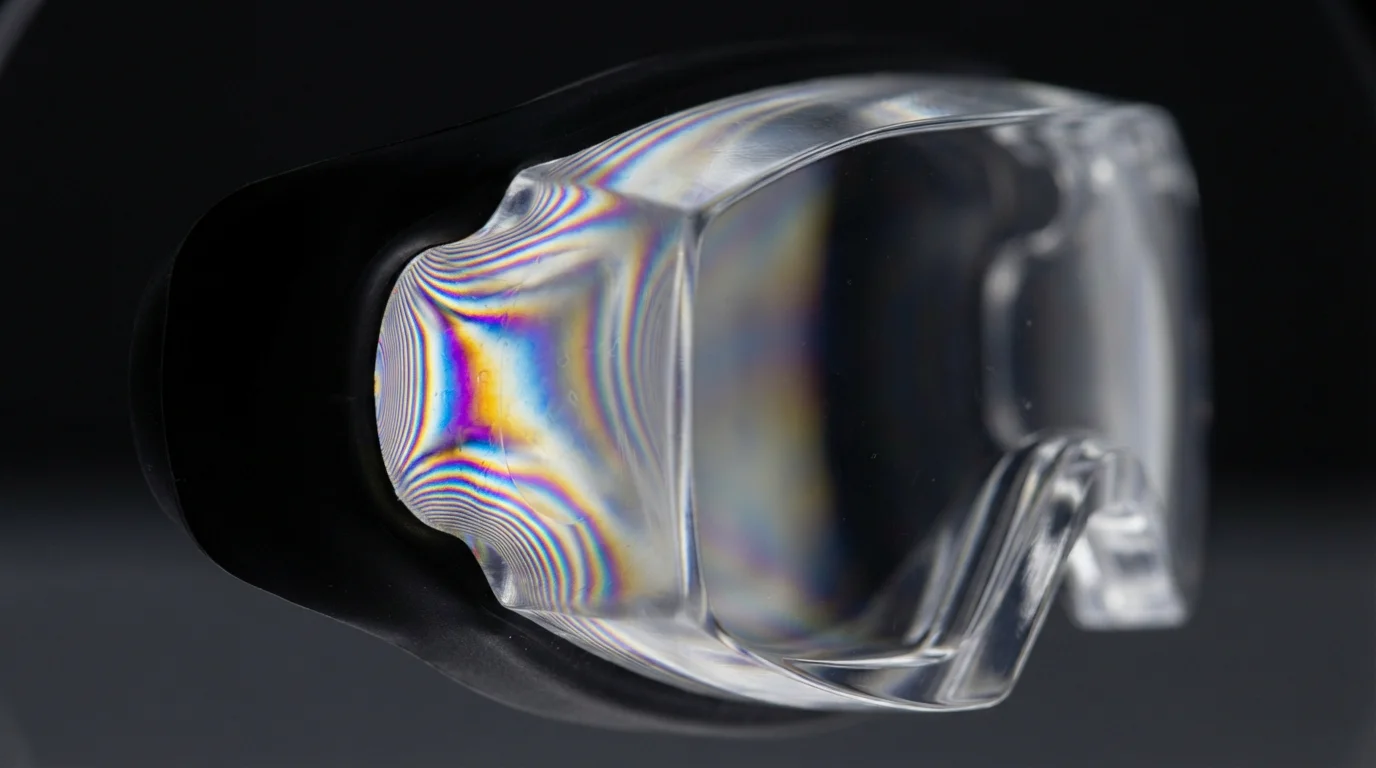
Dụng cụ phẫu thuật và hộp mực chẩn đoán đòi hỏi bao bọc đa vật liệu để ngăn ngừa nhiễm khuẩn và cải thiện khả năng kiểm soát của người vận hành. Đúc phủ TPE hoặc cao su silicone lỏng y tế trực tiếp lên polycarbonate (PC) tay cầm cứng tạo ra các cụm liền mạch, không có khe hở. Việc loại bỏ các đường nối ngăn chặn sự xâm nhập của chất lỏng và tích tụ gánh nặng sinh học trong các chu kỳ tiệt trùng hơi nước autoclave lặp lại ở 134°C. Hoạt động theo chứng nhận ISO 13485 bên trong phòng sạch ISO Class 8 đảm bảo rằng các chi tiết đúc tuân thủ các USP Class VI 和 ISO 10993 chỉ thị tương thích sinh học nghiêm ngặt.
Tiêu chí thiết kế đóng gói y tế bao gồm:
- Độ bền nhiệt của nồi hấp tiệt trùng—Lựa chọn các elastomer y tế có khả năng chịu hàng trăm chu kỳ tiệt trùng bằng hơi nước nhiệt độ cao mà không bị nứt.
- Khả năng chống lại hóa chất khử trùng—Pha chế các tay cầm bên ngoài để chống lại các loại khăn lau bề mặt chứa amoni bậc bốn và cồn isopropyl mạnh.
- Kết cấu xúc giác chống trượt—Đúc các vùng tay cầm có kết cấu vi mô để duy trì phản hồi xúc giác chính xác cho người vận hành trong các thủ thuật phẫu thuật ướt.
Nội thất & Điều khiển Ô tô: Núm xoay, Gioăng & Đầu nối HV (IATF 16949)
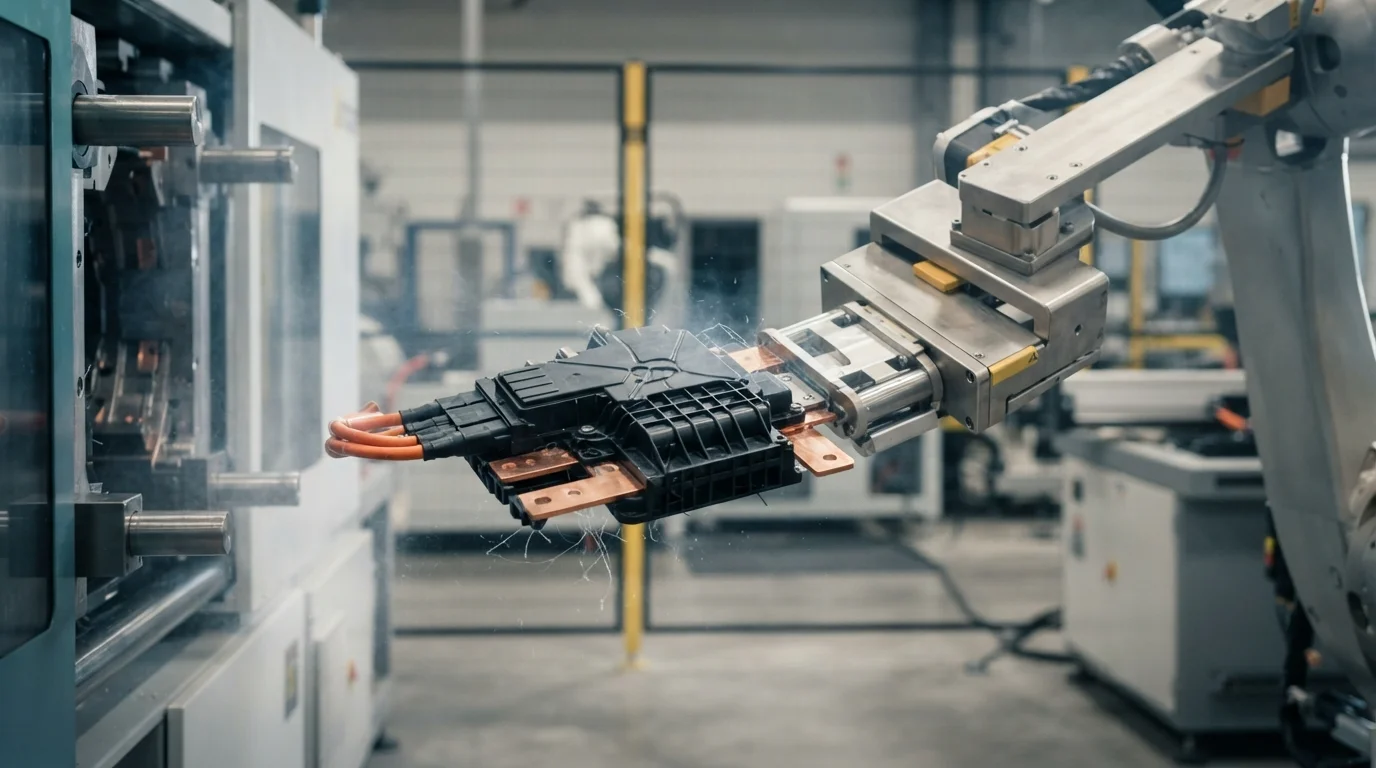
Các cabin ô tô hiện đại và hệ truyền động xe điện (EV) sử dụng quy trình xử lý đa nhựa để nâng cao sự thoải mái xúc giác và an toàn điện. Núm điều khiển khí hậu nội thất kết hợp lõi PC/ABS mờ đục với các tay cầm TPU viền trong suốt để tạo ra các chỉ báo chiếu sáng nền chống mài mòn. Các bộ pin cao áp bao bọc các tấm thanh cái bằng đồng dập với chất chống cháy PA66-GF30, tạo ra các rào cản điện môi vĩnh viễn được định mức cho kiến trúc 800V. Vận hành máy ép khổ lớn được trang bị Cổng van tuần tự (SVG) loại bỏ các đường hàn nhìn thấy được trên các tấm ốp cửa đúc phủ nặng.
Điện tử Tiêu dùng & Dụng cụ Điện: Vỏ cao su mềm chống va đập
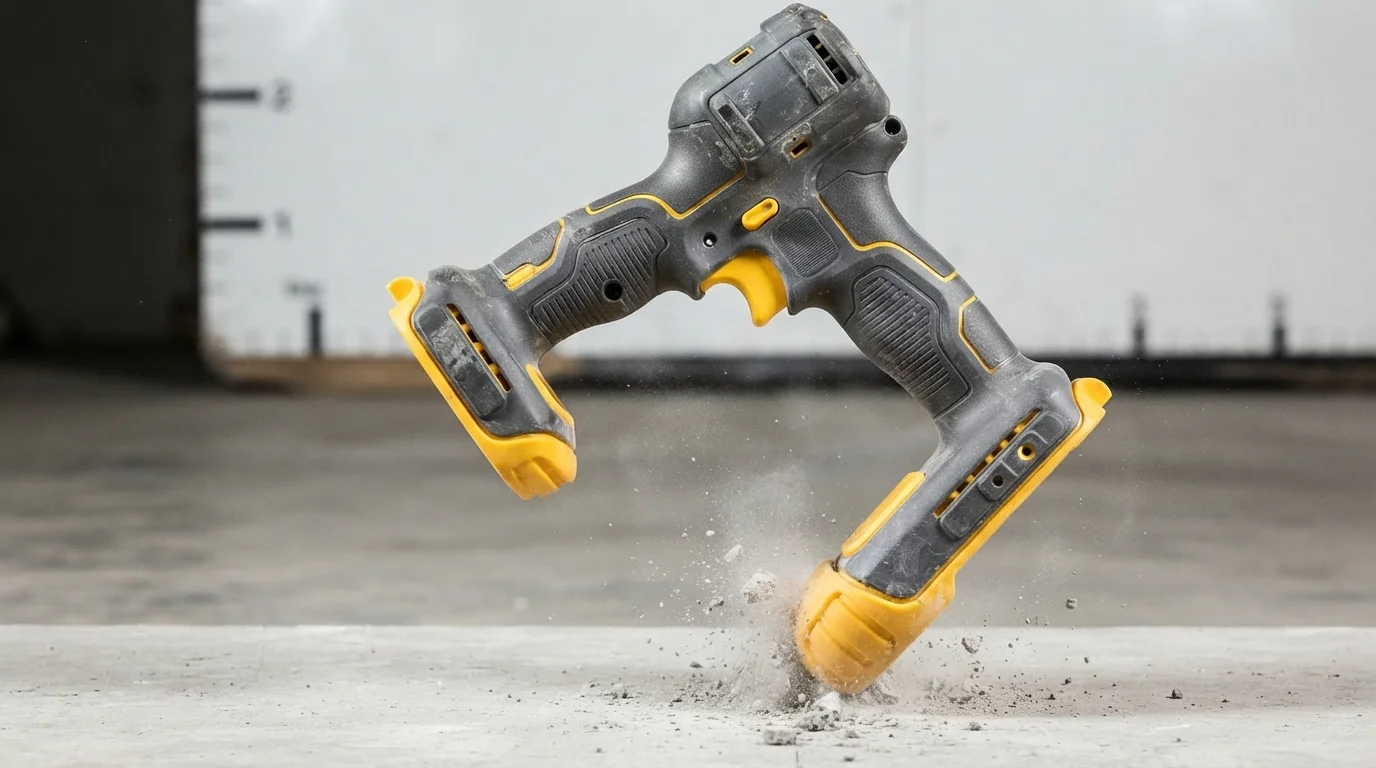
Các dụng cụ điện công nghiệp hạng nặng và máy quét mã vạch cầm tay phải chịu được các thử nghiệm rơi xuống bê tông từ độ cao hai mét lặp đi lặp lại mà không làm vỡ vỏ cơ khí. Bao bọc kết cấu ABS các khung với bộ phận hấp thụ năng lượng Santoprene TPV đệm bảo vệ các bảng mạch nội bộ nhạy cảm trước tải trọng sốc nghiêm trọng. Việc đúc các gân làm kín đàn hồi liên tục dọc theo chu vi vỏ mang lại khả năng bảo vệ chống nước IP67 trước bụi và tia nước áp lực. Việc chỉ định tùy chỉnh ép phủ khuôn tùy chỉnh thay thế việc chèn đệm cao su thủ công, loại bỏ lỗi lắp ráp và giảm chi phí sản xuất đơn vị.
Tham chiếu Ma trận Polymer: Chọn Vật liệu theo Lĩnh vực Ứng dụng
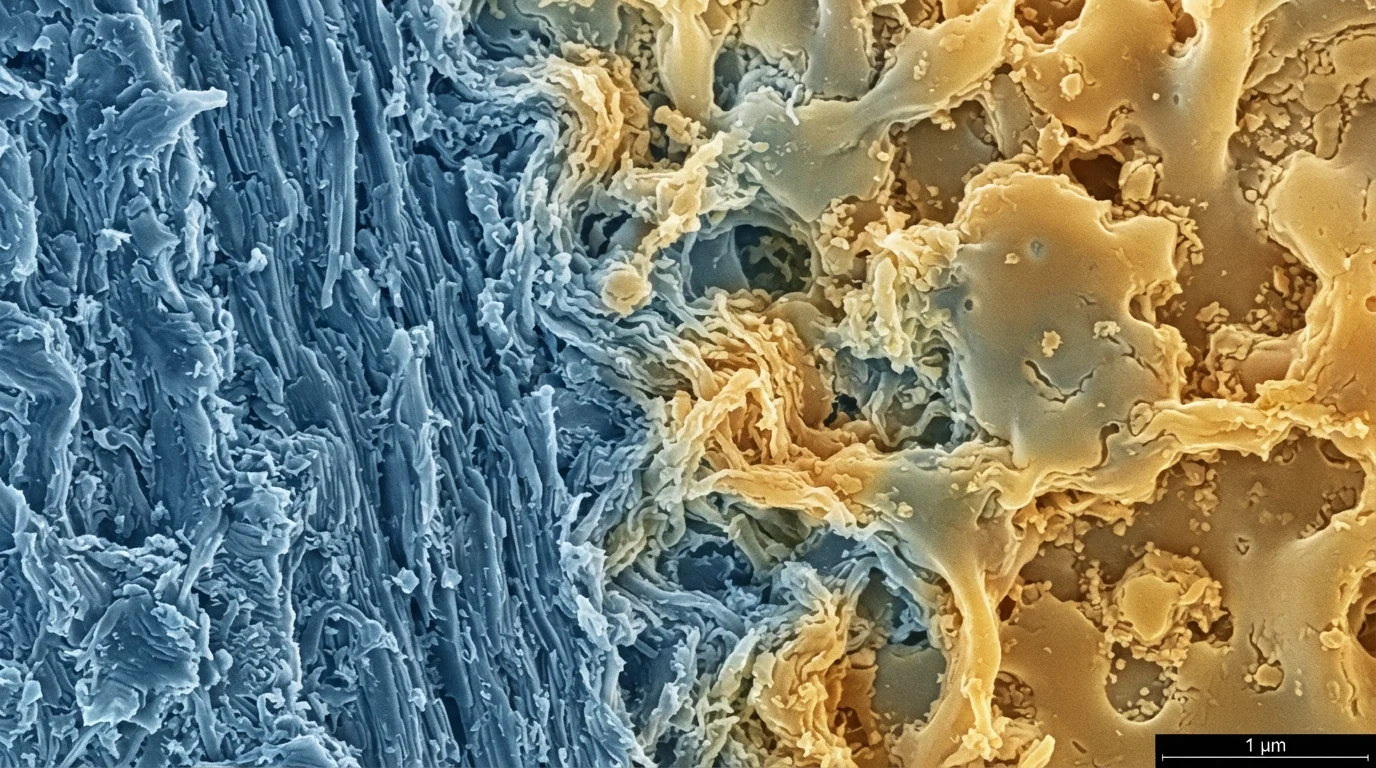
Việc chọn đúng cặp polymer đòi hỏi phải cân bằng các cơ chế liên kết hóa học với ứng suất của môi trường vận hành. Việc xem xét các ứng dụng đúc phủ đã được chứng minh làm nổi bật cách ái lực vật liệu quyết định độ bền mối nối lâu dài. Bảng 1 dưới đây trình bày các tổ hợp polymer tiêu chuẩn trên các lĩnh vực sản xuất công nghiệp chính:
| Trình diễn Ứng dụng | Nền Kết cấu | Polymer đúc phủ | Chỉ số Hiệu suất Chính | Chế độ Hỏng Hóc Nghiêm trọng được Ngăn chặn |
|---|---|---|---|---|
| Thanh cái EV Ô tô | Đồng Dập (C11000) | PA66-GF30 (UL94 V-0) | Cách ly điện môi (800V) | Ngăn chặn phóng điện theo vết hồ quang |
| Tay cầm Dao mổ Y tế | Polycarbonate (PC) | Medical TPE (USP Class VI) | Sterilizable tactile grip | Prevents bio-burden fluid entrapment |
| Industrial Power Drills | ABS / PC+ABS Alloy | Santoprene TPV (60A) | Drop impact shock absorption | Prevents housing fracture on concrete |
Executing complex over-moulding applications with high-tonnage multi-barrel presses guarantees flash-free boundaries and dimensional repeatability.
Các câu hỏi thường gặp (FAQ)
Why are over-moulding applications growing rapidly in EV battery manufacturing?
Over-moulding encapsulates high-current copper busbars directly inside flame-retardant plastics, creating complete dielectric insulation and IP67 sealing without manual wrapping. Single-step encapsulation improves electrical creepage distances and withstands heavy vehicular vibration.
How do overmolded medical handles survive aggressive hospital disinfectants?
Medical-grade TPE and silicone formulations utilize saturated polymer backbones that resist chemical oxidation from bleach and alcohol wipes. Chemical resistance prevents surface softening, tackiness, or micro-cracking over years of hospital use.
What prevents delamination between rubber and plastic in power tool handles?
Preventing delamination relies on thermal molecular diffusion between compatible resins like ABS and TPE, reinforced by 90-degree mechanical dovetail undercuts in the substrate. Physical locking channels ensure the rubber cannot peel off even under intense cyclic twisting loads.
Can overmolding achieve hermetic airtight seals on electronic sensor housings?
Overmolding achieves IP67 and IP68 waterproof ratings by injecting elastomeric resins like Santoprene TPV directly into precision-engineered perimeter sealing grooves. Contracting elastomer creates a continuous, high-compression seal around lead wires and housing parting lines.
Why is ISO Class 8 cleanroom molding mandatory for medical overmolded parts?
Cleanroom molding controls airborne particulate contamination during multi-material processing. Surgical instruments, fluidic diagnostic cartridges, and respiratory masks require cleanroom encapsulation to satisfy ISO 13485 and USP Class VI medical compliance.
How does tooling shut-off precision affect overmolded part quality?
Tooling shut-off lands clamped under tight fitment tolerances (<0.01mm) prevent soft elastomer melt from bleeding over appearance faces. Sharp 90-degree shut-off steps eliminate razor-thin flash edges that trigger peeling under everyday mechanical wear.