
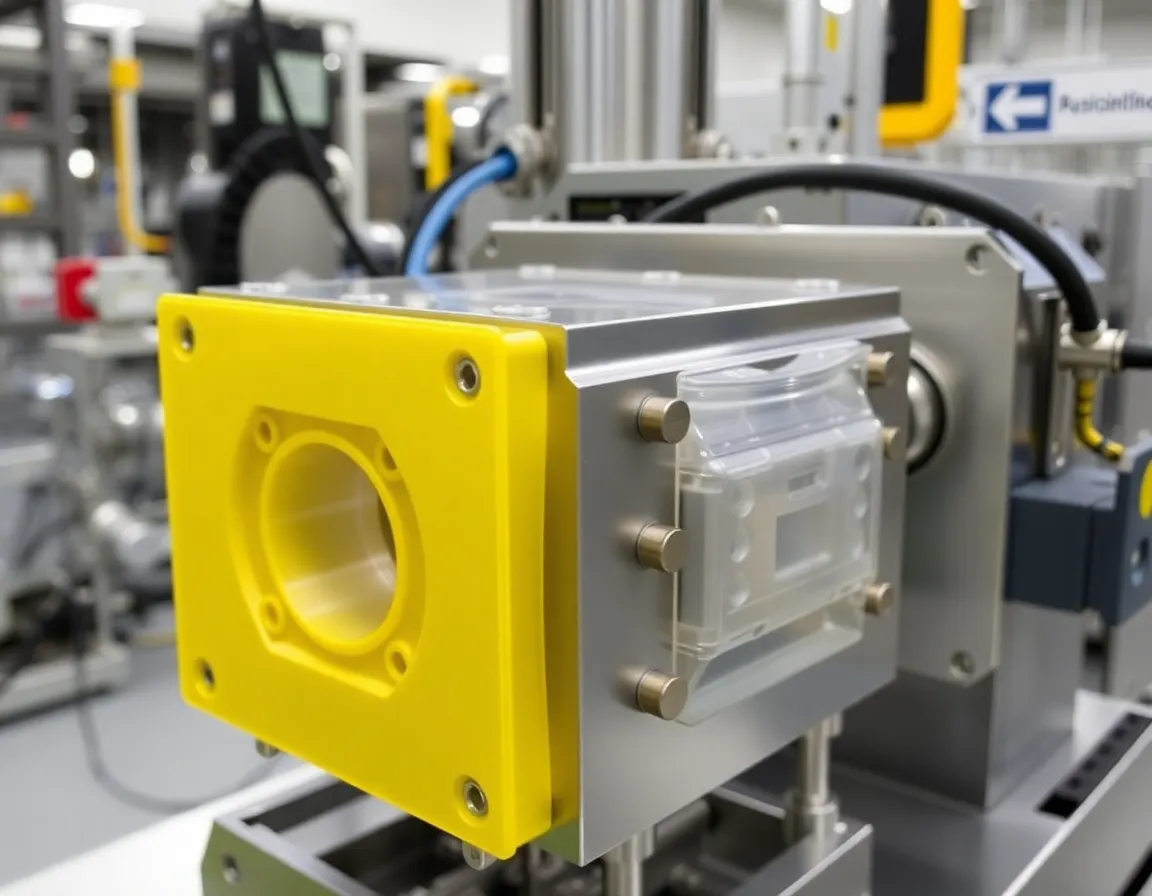
Introduction to Sterile Medical Packaging Molding
In the highly regulated world of healthcare, the integrity of sterile medical packaging is not merely a logistical concern—it is a critical component of patient safety. Sterile medical packaging molding refers to the specialized manufacturing process of creating plastic and polymer-based containers, trays, lids, and films that maintain the sterility of medical devices, surgical instruments, and pharmaceutical products until the point of use. This guide provides a comprehensive overview of the precision molding techniques, material considerations, quality standards, and best practices that define this essential industry.
The demand for sterile packaging has grown exponentially with the rise of minimally invasive surgeries, pre-filled syringes, and single-use medical devices. Unlike conventional packaging, sterile medical packaging must perform under extreme conditions—from ethylene oxide (EtO) gas sterilization to high-temperature autoclaving—without compromising its barrier properties or dimensional accuracy. Precision molding is the cornerstone of achieving this performance, requiring meticulous control over every stage of production.
Core Principles of Precision Molding for Sterile Applications
Material Selection and Regulatory Compliance
The foundation of any sterile medical package begins with the polymer. Not all plastics are suitable for medical applications. The most commonly used materials include 聚丙烯(PP), polyethylene terephthalate glycol (PETG), بولي كربونات (PC), و cyclic olefin copolymer (COC). Each material offers distinct advantages:
- Polypropylene: Excellent chemical resistance and high-temperature tolerance, ideal for autoclave sterilization.
- PETG: Superior clarity and impact strength, commonly used for thermoformed trays.
- Polycarbonate: High dimensional stability and transparency, suitable for rigid containers.
- COC: Exceptional moisture barrier and low extractables, critical for pharmaceutical packaging.
All materials must comply with ISO 10993 (biological evaluation of medical devices) and الفئة السادسة USP standards for biocompatibility. Furthermore, the molding process itself must be validated according to ISO 13485 quality management systems, ensuring that every batch meets strict specifications for particulate contamination, flash, and warpage.
Injection Molding vs. Thermoforming
Two primary molding techniques dominate the sterile packaging landscape: injection molding و thermoforming. Injection molding is preferred for high-volume, complex geometries such as hinged containers, snap-fit lids, and multi-cavity trays. It offers unparalleled precision, with tolerances as tight as ±0.01 mm. Thermoforming, on the other hand, is cost-effective for thin-walled trays and blister packs, using heated plastic sheets formed over a mold under vacuum or pressure.
For sterile applications, injection molding holds a distinct advantage because it can produce parts with zero draft angles and intricate undercuts that facilitate secure device placement. However, both methods require cleanroom-compatible molding environments to prevent microbial contamination during production.
Key Design Considerations for Sterile Medical Packaging
Dimensional Tolerances and Draft Angles
Precision molding for sterile packaging demands exacting dimensional control. A tray designed to hold a delicate surgical screw must have pockets that are neither too tight (causing insertion stress) nor too loose (allowing movement that could breach the sterile barrier). Draft angles—typically between 1° and 3°—are essential for ejecting parts from the mold without deformation. However, in sterile packaging, draft angles must be minimized to maintain tight sealing surfaces for lidding materials like Tyvek® or medical-grade paper.
Advanced mold design software, such as Moldflow® simulation, is used to predict shrinkage, cooling rates, and warpage before steel is cut. This allows engineers to optimize gate locations and cooling channels, reducing cycle times while maintaining part quality. For sterile applications, the mold surface finish is also critical; a SPI A-1 mirror finish is often required to prevent bacterial adhesion and facilitate easy cleaning.
Sterilization Compatibility and Barrier Integrity
Every sterile medical package must withstand one or more sterilization methods without degrading. The three most common methods are:
- Ethylene Oxide (EtO) Gas: Requires materials that can absorb and release gas without residue. Polypropylene and PETG are common choices.
- Gamma Radiation: Can cause embrittlement in some polymers. Polycarbonate and COC are preferred for their radiation stability.
- Autoclaving (Steam): Demands high heat resistance (121°C to 134°C). Only specialized grades of PP and PEI can survive repeated cycles.
إن sterile barrier system—typically a combination of a rigid tray and a porous lid—must maintain a hermetic seal. Precision molding ensures that the flange area of the tray is perfectly flat and free of sink marks, allowing the lidding material to form a consistent, peelable seal. Seal strength testing per ASTM F88 is a mandatory quality control step, ensuring that the package opens cleanly without delamination or fiber tear.
Advanced Manufacturing Techniques and Quality Control
Cleanroom Molding and Automation
To achieve sterility assurance levels (SAL) of 10⁻⁶, molding must occur in a controlled environment. ISO Class 7 or Class 8 cleanrooms are standard for sterile packaging production. These facilities maintain strict limits on airborne particles, humidity, and temperature. Robots and automated guided vehicles (AGVs) handle parts from the molding machine to the sealing station, minimizing human contact and the risk of contamination.
In-mold sensors and real-time process monitoring are increasingly used to ensure consistency. Cavity pressure sensors detect variations in melt flow, while infrared thermography monitors mold temperature distribution. Any deviation triggers an automatic rejection of the part, preventing defective packaging from reaching the sterilization phase.
Validation Protocols: IQ, OQ, and PQ
No discussion of sterile medical packaging molding is complete without addressing validation. The FDA and ISO 13485 require a three-stage validation process:
- Installation Qualification (IQ): Verifying that the molding machine, mold, and auxiliary equipment are installed correctly and calibrated.
- Operational Qualification (OQ): Testing the process parameters (temperature, pressure, cycle time) across their operating ranges to ensure consistent part quality.
- Performance Qualification (PQ): Running multiple production batches under normal conditions, then testing the sterile barrier integrity and dimensional conformance.
Documentation is paramount. Every mold cavity must be traceable, and each batch must include records of melt flow index (MFI), ash content, و visual inspection results. Non-conforming parts are quarantined and analyzed using tools like Scanning Electron Microscopy (SEM) to identify root causes of defects such as flash, voids, or contamination.
Applications Across the Healthcare Spectrum
Surgical Instrument Trays and Kits
One of the most common applications of sterile medical packaging molding is the production of custom surgical trays. These trays are designed to hold multiple instruments—scalpels, forceps, clamps—in fixed positions during sterilization and transport. Precision molding ensures that each instrument slot has the correct depth and retention force, preventing movement that could damage the sterile barrier or the instrument itself.
Many modern trays incorporate living hinges و snap-fit closures molded directly into the part, eliminating the need for separate fasteners. These features require advanced mold design with slide actions and lifters, but they significantly reduce assembly time and material waste.
Pre-Filled Syringe and Vial Packaging
Pharmaceutical companies increasingly rely on molded nest and tub systems for pre-filled syringes and vials. These systems consist of a rigid plastic nest that holds multiple containers in a precise array, enclosed in a sealed tub. The molding tolerances must be exceptionally tight—often within ±0.05 mm—to ensure that syringes do not tilt or contact each other during filling and sterilization.
For this application, cyclic olefin polymer (COP) is often the material of choice due to its low extractables and high clarity, which allows visual inspection of the drug product. The molding process must also avoid any surface defects that could trap air or moisture, as these could compromise the sterility of the drug.
Diagnostic Device and Point-of-Care Packaging
Point-of-care diagnostic devices, such as glucose test strips and pregnancy tests, require sterile packaging that is both compact and easy to open. Precision molding enables the creation of multi-cavity blister packs with thin walls (0.2–0.5 mm) that provide adequate barrier protection while minimizing material usage. The lidding seal must be strong enough to prevent accidental opening but weak enough for elderly patients to peel without tearing the device.
In these applications, antistatic additives are often compounded into the polymer to prevent dust attraction, which could interfere with the diagnostic reaction. Mold surface treatments, such as plasma coating, further reduce friction and improve release properties.
Best Practices for Optimizing the Molding Process
Process Parameter Optimization
To achieve consistent, high-quality sterile packaging, molders must systematically optimize key parameters:
- درجة حرارة الذوبان: Must be high enough to ensure complete filling of thin-wall sections but low enough to prevent polymer degradation. For polypropylene, this is typically 200–230°C.
- Injection Speed: A fast fill rate reduces shear stress and minimizes orientation, which can cause warpage. However, excessive speed can cause jetting and flow marks.
- Packing Pressure: Sufficient packing pressure (60–80% of injection pressure) is critical to prevent sink marks on sealing flanges.
- Cooling Time: Must be long enough to achieve uniform crystallization, especially for semi-crystalline polymers like PP. Uneven cooling leads to dimensional instability.
Using Design of Experiments (DOE) methodologies, engineers can identify the optimal parameter window and establish control limits. Real-time monitoring systems then ensure that every cycle stays within these limits.
Tooling Maintenance and Mold Design
The mold itself is the most critical asset in sterile packaging molding. Hardened tool steel (e.g., P20 or H13) is standard for high-volume production, while beryllium copper inserts are used in areas requiring rapid heat transfer. Regular maintenance schedules—including cleaning, polishing, and inspection for wear—are essential to prevent defects like flash or parting line mismatch.
Advanced mold designs incorporate hot runner systems with valve gates to eliminate cold slugs and reduce cycle times. For sterile applications, the hot runner must be designed to avoid dead spots where molten polymer could degrade and form carbon deposits, which could contaminate the package.
Supply Chain and Regulatory Alignment
Finally, successful sterile medical packaging molding requires close collaboration with material suppliers, sterilization facilities, and regulatory bodies. Early supplier involvement (ESI) during the design phase can help select materials that are both moldable and compatible with the intended sterilization method. Additionally, maintaining a sterile barrier dossier—a comprehensive document that includes material certifications, process validation reports, and stability data—is essential for regulatory submissions to the FDA, EMA, or other health authorities.
In an era of increasing scrutiny on medical device safety, investing in precision molding capabilities is not optional—it is a competitive necessity. Companies that master the interplay of material science, mold engineering, and cleanroom manufacturing will be best positioned to meet the growing demand for safe, reliable sterile packaging.
Conclusion
Sterile medical packaging molding is a discipline that blends the art of precision engineering with the science of polymer chemistry and the rigor of regulatory compliance. From the initial material selection to the final validation of the sterile barrier, every step demands meticulous attention to detail. By following the guidelines outlined in this comprehensive guide—focusing on dimensional accuracy, sterilization compatibility, cleanroom manufacturing, and robust quality control—manufacturers can produce packaging that not only protects medical devices but also safeguards patient lives. As technology advances, the integration of real-time process monitoring, automation, and advanced materials will continue to push the boundaries of what is possible in this vital field.