
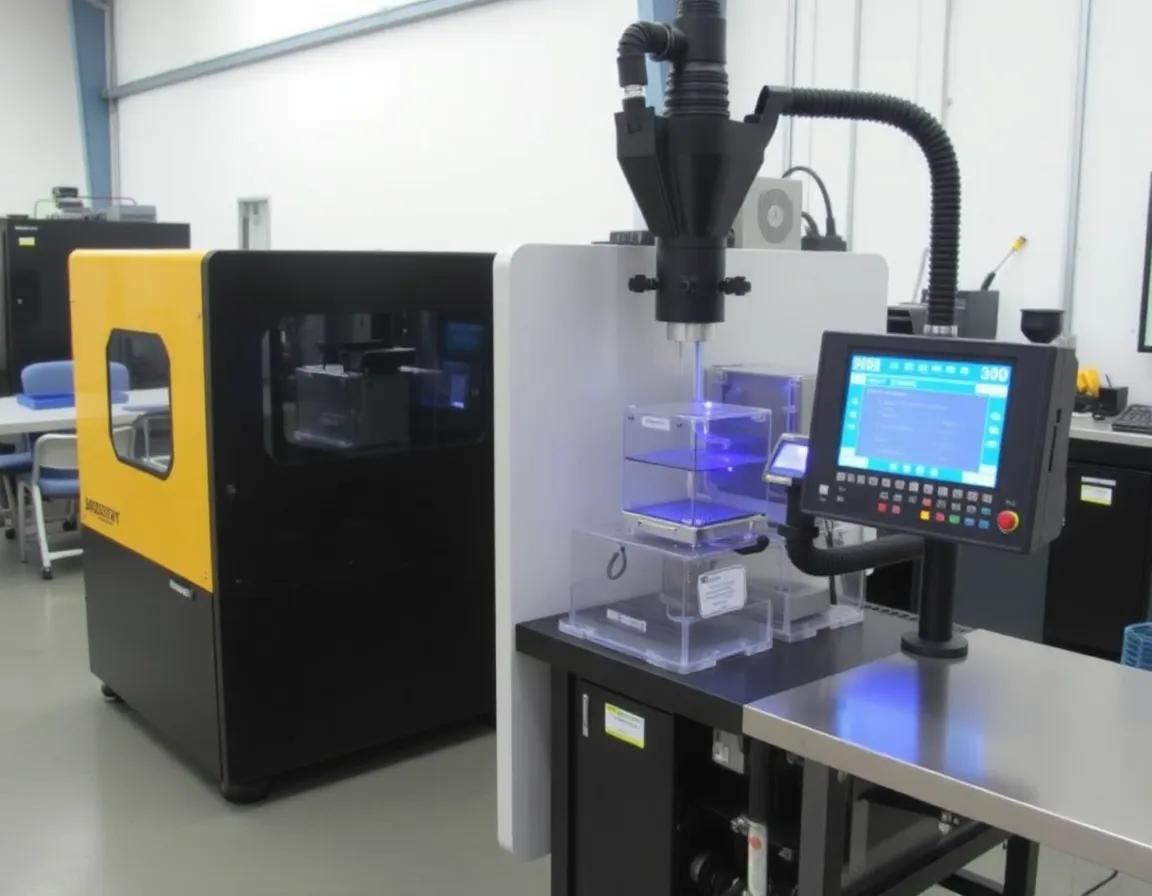
In the modern manufacturing landscape, the demand for components that are both incredibly small and impossibly complex has never been higher. From the intricate gears inside a surgical robot to the lightweight casing of a consumer drone, the physical parts that drive innovation must be flawless. This is where đúc nhựa tùy chỉnh chính xác steps in. It is no longer just a method of mass production; it is a cornerstone of product development across industries that demand exacting tolerances and repeatable quality.
But what exactly is precision custom plastic molding, and why is it becoming the go-to solution for engineers and product designers? In short, it is the process of creating custom-designed plastic parts with extremely tight tolerances—often measured in microns—using specialized tooling and high-tech machinery. Unlike general molding, which might accept slight variations, precision molding guarantees that part number one million is identical to part number one. This article explores the mechanics of this process and delves into the five key benefits that make it indispensable for high-stakes manufacturing.
Understanding the Landscape of Precision Custom Plastic Molding
Before diving into the benefits, it is crucial to understand the technical foundation. Precision custom plastic molding is not a single technique but a category of manufacturing processes tailored to achieve high accuracy. The two primary methods used in this field are ép phun 和 micro-molding, though other methods like compression molding are used for specific high-strength applications.
Injection Molding vs. Micro-Molding
Ép phun involves melting plastic pellets and injecting them into a custom-designed metal mold under high pressure. Once the plastic cools and solidifies, the mold opens, and the part is ejected. For precision applications, this process is heavily controlled to minimize shrinkage and warping.
Micro-molding is a specialized subset of injection molding designed for parts weighing less than a gram or featuring features measured in micrometers. This requires specialized machinery capable of injecting precise shots of molten plastic at high speeds to fill microscopic channels before the material solidifies.
The Role of Tooling and Design
The heart of precision custom plastic molding is the mold itself. Typically made from hardened steel or aluminum, these molds are CNC-machined to exact specifications. The design of the mold—including the runner system, cooling channels, and ejection pins—is simulated using advanced software (CAD and CAM) to predict flow dynamics and thermal behavior. This digital twin approach ensures that the physical mold produces parts that meet the strict criteria of the original design.
The 5 Key Benefits of Precision Custom Plastic Molding
Why do industries ranging from medical devices to aerospace choose this manufacturing method? The advantages go beyond simple part creation; they involve economics, performance, and innovation.
1. Unmatched Dimensional Accuracy and Consistency
The most obvious benefit is the primary goal: accuracy. In many industries, a deviation of even a few micrometers can render a part useless. For example, in medical syringe manufacturing, the plunger must fit the barrel perfectly to ensure proper dosing and prevent leakage.
Precision custom plastic molding achieves this through:
- Computerized Process Control: Modern molding machines use closed-loop systems to monitor pressure, temperature, and injection speed in real-time, adjusting instantly to maintain tolerances.
- High-Quality Tooling: Because the mold is precisely machined, the cavity dimensions are exact, ensuring that every part replicates the master design.
- Material Consistency: Precision molders often use engineering-grade thermoplastics that have predictable shrink rates, further ensuring that the final part matches the CAD model.
This level of repeatability is essential for automated assembly lines, where robots require parts to fit together without human intervention or adjustment.
2. Complex Geometry and Miniaturization Capabilities
Traditional manufacturing methods like machining often struggle with complex internal geometries or tiny features. Precision custom plastic molding, however, thrives on complexity. It allows designers to consolidate multiple parts into a single, intricate component.
This capability is driving the trend toward miniaturization. As electronics get smaller, the plastic housings and connectors must follow suit. Precision molding can produce parts with wall thicknesses thinner than a human hair and features that are invisible to the naked eye. This allows for:
- Snap-fits and Living Hinges: Creating parts that bend or snap together without separate fasteners, reducing assembly time and part count.
- Micro-Fluidics: Essential for lab-on-a-chip devices used in medical diagnostics, where tiny channels must be molded with perfect surface finishes to control fluid flow.
- Internal Threads and Undercuts: Features that would be impossible to machine can be molded directly into the part, saving secondary operations.
3. Superior Material Versatility and Performance
Precision custom plastic molding is not limited to standard commodity plastics like polyethylene or polypropylene. It supports a vast array of high-performance engineering resins. This material versatility allows manufacturers to select a plastic that meets specific mechanical, thermal, and chemical requirements.
Các ưu điểm chính của vật liệu bao gồm:
- High-Temperature Resistance: Resins like PEEK or PPSU can withstand sterilization processes and high-heat environments, making them ideal for medical and automotive under-the-hood applications.
- Chemical Inertness: For laboratory equipment or industrial chemical processing, precision molding can use materials that resist corrosion and degradation.
- Biocompatibility: Medical-grade plastics can be molded to be non-toxic and safe for implantation or direct contact with bodily fluids.
- Additives for Functionality: Plastics can be compounded with glass fibers for strength, carbon for conductivity, or lubricants for low friction, all while maintaining the ability to be precision molded.
4. Cost-Effectiveness in High-Volume Production
While the upfront cost of creating a precision mold can be high, the cost per part drops dramatically as production volume increases. This is the economic engine behind precision molding.
Once the mold is validated, the production process is highly automated. A single machine can produce thousands of parts per hour with minimal labor. Furthermore, precision molding minimizes waste. Unlike subtractive manufacturing (machining), which cuts away material, molding uses exactly the amount of plastic needed to fill the mold. The runners and sprues (excess plastic) can often be reground and reused, depending on the material specifications.
Additionally, the high accuracy of the process reduces the need for secondary operations like drilling, tapping, or reaming. This streamlines the supply chain and reduces the total cost of ownership for the product.
5. Enhanced Surface Finish and Aesthetic Quality
Precision custom plastic molding can achieve surface finishes that range from a high-gloss mirror polish to a textured matte. This is determined by the finish of the mold cavity itself.
For consumer products, this means the part comes out of the mold looking like a finished product, eliminating the need for painting or coating. For technical applications, a specific surface roughness might be required to reduce friction or improve light reflection. The ability to replicate a specific texture—such as a leather grain or a fine stipple—across millions of parts is a testament to the precision of the tooling and the process control.
Applications Across Critical Industries
The benefits listed above translate into real-world applications that impact our daily lives.
Medical and Healthcare
This is perhaps the most demanding sector. Precision molding is used for surgical instruments, implantable devices, drug delivery systems, and diagnostic equipment. The need for sterility, biocompatibility, and absolute reliability makes precision molding the only viable option.
Automotive and Aerospace
As vehicles become lighter to improve fuel efficiency, metal parts are being replaced with high-performance plastics. Precision molding is used for fuel injection components, electrical connectors, sensors, and interior trim. In aerospace, it is used for lightweight brackets and cabin components that must meet strict flame-retardant and smoke-density regulations.
Electronics and Consumer Goods
Your smartphone, laptop, and smartwatch are filled with precision-molded parts. From the tiny connectors that transmit data to the structural frame of the device, precision molding enables the sleek, compact designs we have come to expect.
Best Practices for Successful Precision Molding Projects
To fully leverage the benefits of precision custom plastic molding, engineers and manufacturers must follow specific best practices during the design and development phase.
Thiết kế cho khả năng sản xuất (DFM)
Engaging with the molder early in the design process is critical. A DFM analysis will identify potential issues such as:
- Wall Thickness: Uniform wall thickness is essential to prevent sinking, warping, and short shots.
- Góc thoát khuôn: Vertical walls need a slight angle to allow the part to be ejected from the mold without scratching.
- Gate Location: The point where plastic enters the mold affects flow and final part strength.
Material Selection
Choosing the right resin is a balancing act between mechanical properties, cost, and moldability. A material that is too viscous may not fill a thin-walled precision mold, while one that is too thin may flash (leak out of the mold).
Prototyping and Validation
Before cutting a steel production mold, many companies use 3D printing or aluminum prototype molds to test form, fit, and function. This step validates the design and ensures that the final precision mold will produce a functional part.
Kết luận
Precision custom plastic molding is a sophisticated manufacturing technology that bridges the gap between creative design and functional reality. By offering unmatched accuracy, complex geometry capabilities, material versatility, cost-efficiency at scale, and superior aesthetics, it empowers industries to innovate faster and build better products.
As technology continues to advance, the tolerances will get tighter, and the parts will get smaller. For companies looking to stay competitive in a global market, leveraging the power of precision custom plastic molding is not just an option—it is a strategic necessity. Whether you are developing a life-saving medical device or the next generation of consumer electronics, the precision of your plastic components will ultimately determine the success of your product.