
العبارة زراعة السيليكون السائل LSR يمكن أن تصف متطلبات هندسية مختلفة جدًا. قد يستخدم مكون التلامس قصير الأمد، ومكون قابل للزرع، وملحق جهاز، السيليكون، لكنها لا تشترك في نفس حزمة الأدلة أو معايير الإصدار. يجب أن يتبع اختيار المواد المدة المقصودة للتلامس، وبيئة الجسم، وطريقة التعقيم، والمسار التنظيمي.
بالنسبة للعمل المتعلق بالزرع،, قولبة المطاط السيليكوني السائل (LSR) من الأفضل معاملته كجزء واحد من نظام تطوير منتج خاضع للرقابة. يمكن لعملية القولبة إنشاء هندسة قابلة للتكرار، لكنها لا يمكنها بمفردها إثبات السلامة البيولوجية، أو الملاءمة السريرية، أو الامتثال التنظيمي. تلك الاستنتاجات تنتمي إلى برنامج التأهيل والتقديم الخاص بمالك الجهاز.
حدد الاستخدام الطبي قبل اختيار درجة
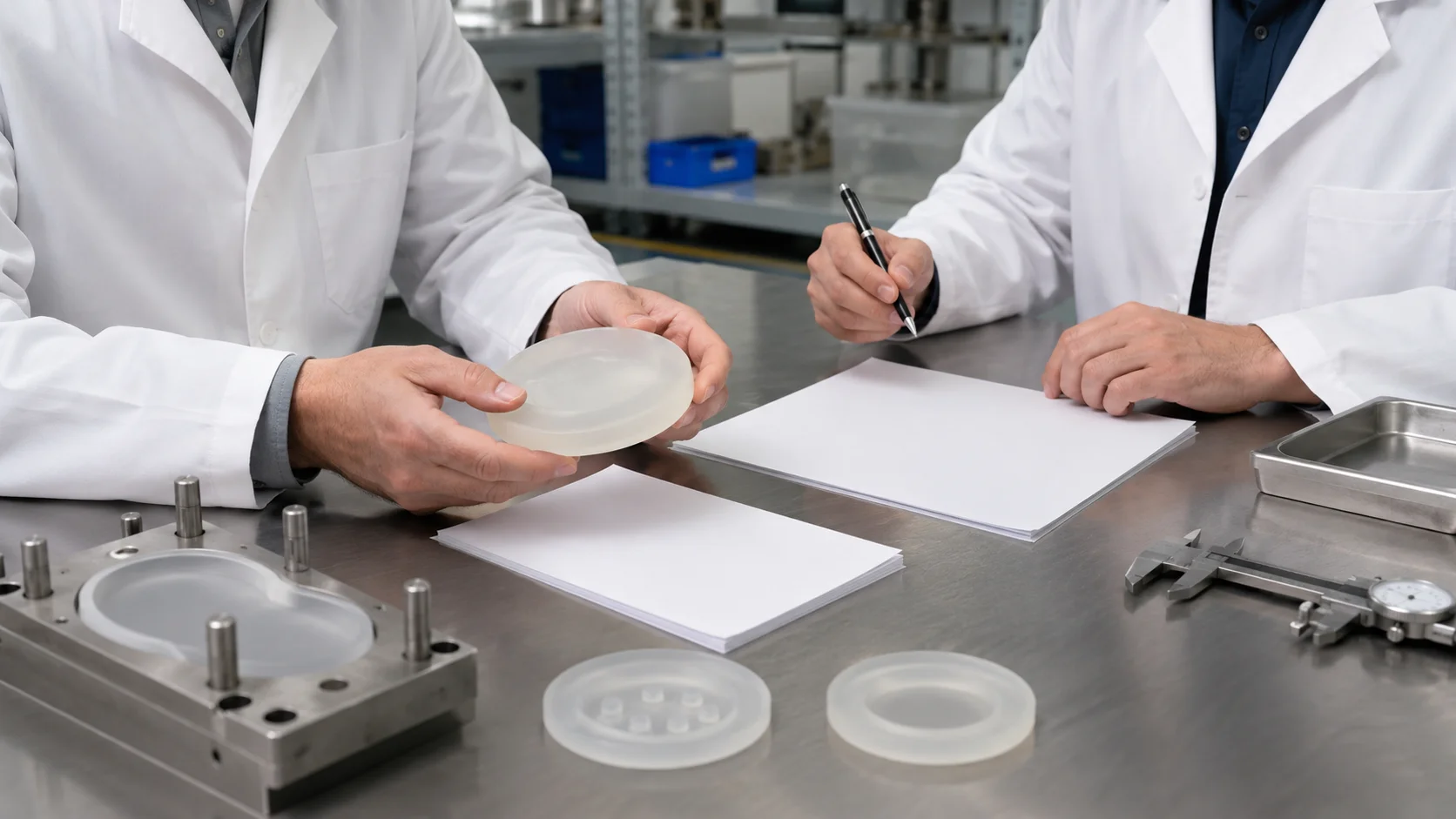
ابدأ بملف استخدام مكتوب. يجب أن يذكر ما إذا كان السيليكون يلامس الأنسجة، أو الدم، أو الدواء، أو سائلًا آخر؛ وما إذا كان التلامس عابرًا، أو طويل الأمد، أو دائمًا؛ وما إذا كان الجزء مزروعًا كمكون قائم بذاته أو كجزء من تجميع أكبر. يجب تسجيل درجة الحرارة، والضغط، والتحميل الدوري، والعمر الافتراضي المتوقع كمدخلات تصميم بدلاً من تركها لنقاش مادي لاحق.
| سؤال | لماذا يغير خطة التأهيل |
|---|---|
| ما هي مدة التلامس؟ | التعرض الأطول يتطلب عمومًا تقييمًا بيولوجيًا وتقييمًا للشيخوخة أعمق. |
| ما هي دورة التعقيم المستخدمة؟ | الحرارة، أو الإشعاع، أو الغاز، أو طرق أخرى يمكن أن تؤثر على الخصائص والتغليف. |
| ما هو نمط الفشل؟ | A seal, membrane, tube, or implant interface needs different tests. |
| What is the release unit? | The plan may require lot-level, cavity-level, or 100% visual controls. |
Material documentation is necessary, but not sufficient
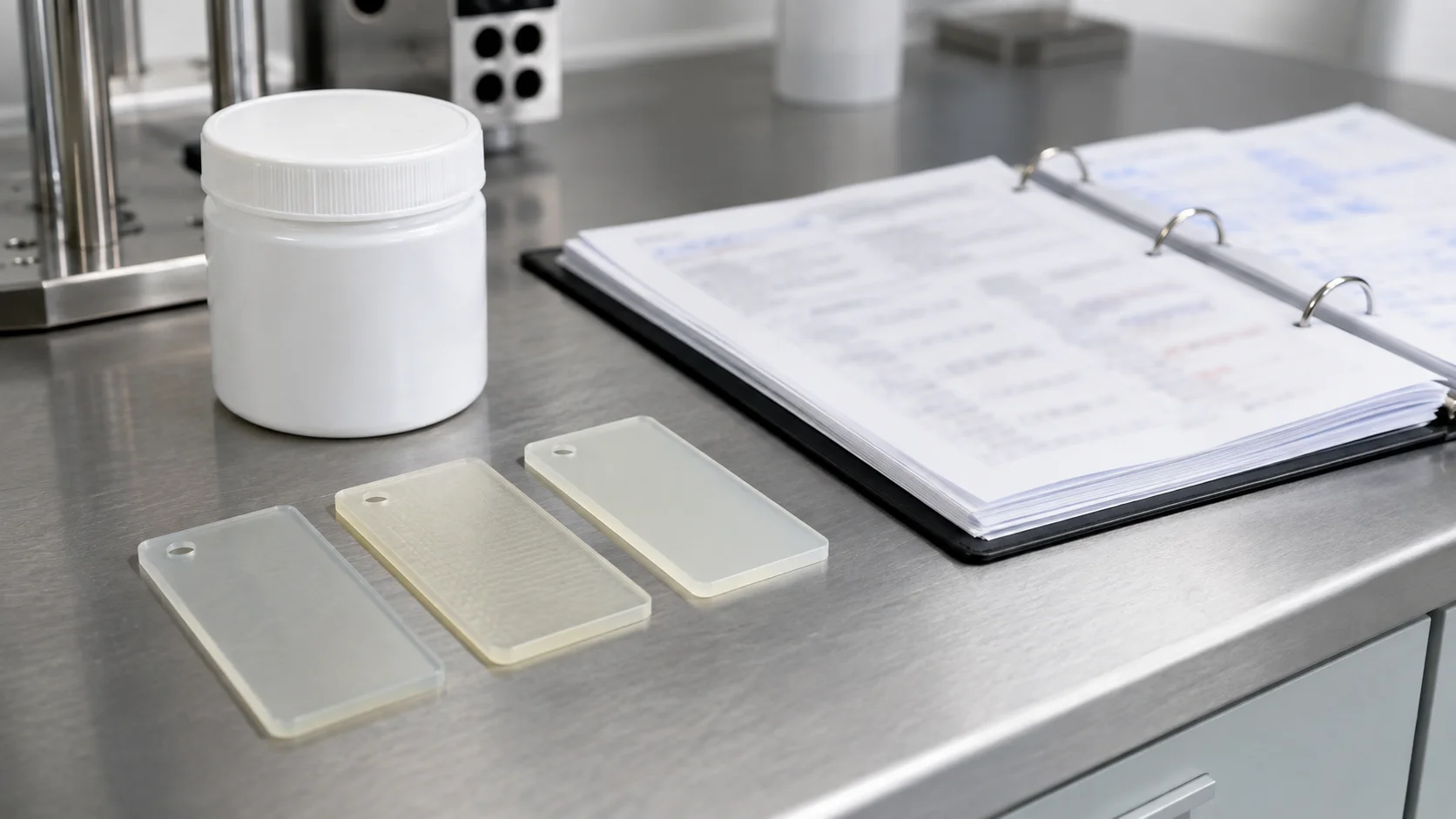
Ask for the complete grade documentation before a design is frozen: technical data, recommended processing conditions, lot identification, colorant or additive information, and any statements relevant to the intended contact. A grade marketed for medical use is not automatically approved for every implant design. The device application, geometry, processing history, cleaning, packaging, and sterilization all influence the finished component.
Pay special attention to the difference between a raw-material statement and a finished-part result. The molded part may contain traces from the tool, handling environment, release chemistry, pigment system, or packaging. If a project requires a cleanroom process or controlled post-cure, define those requirements in the manufacturing specification and verify them during validation.
Design the part around the real biological and mechanical interface
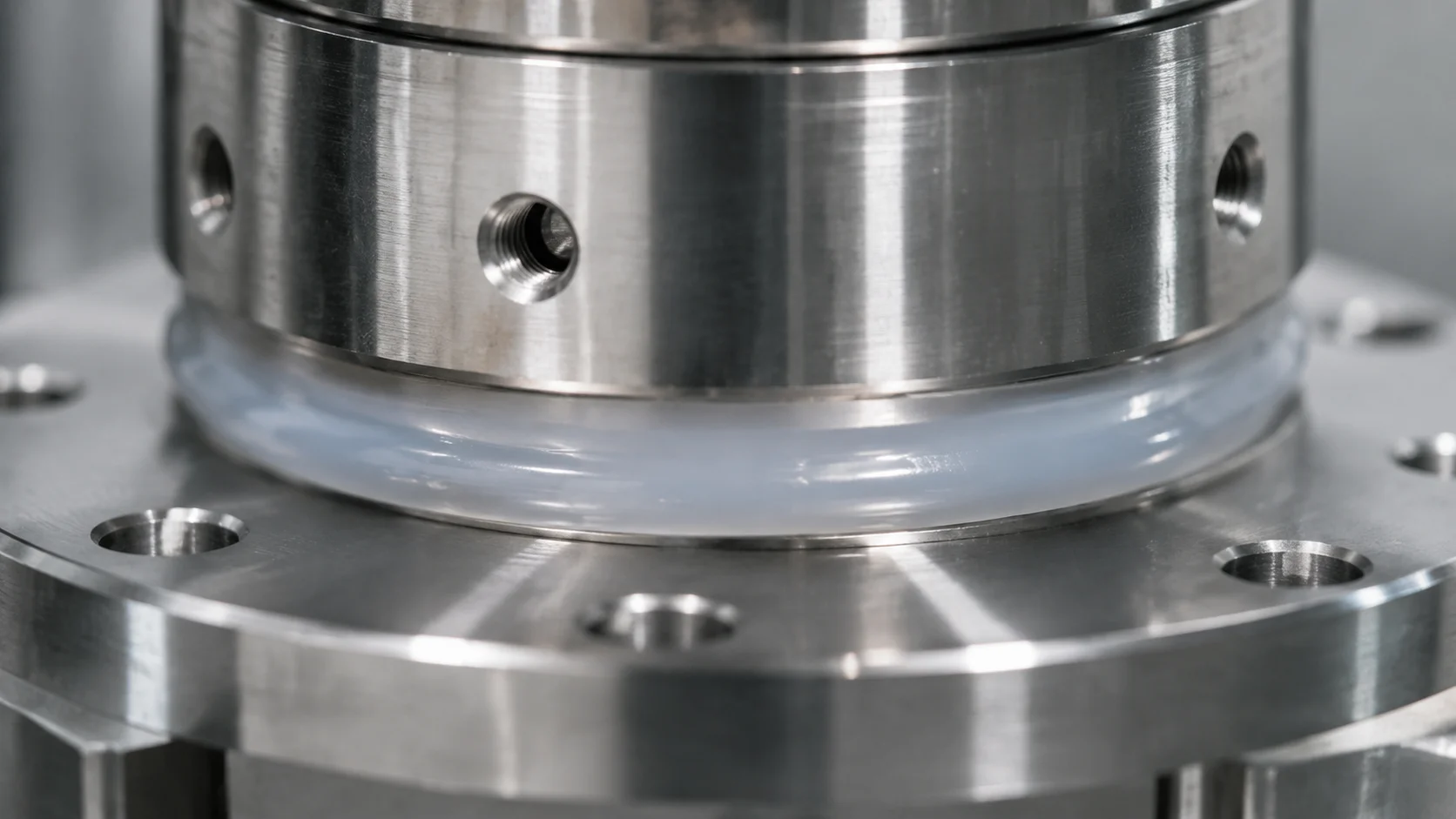
An implant-related silicone part should not be designed only from a nominal CAD surface. Review the interface that performs the clinical function. A sealing lip needs controlled compression without excessive stress concentration. A thin membrane needs predictable flexing and a clean transition to its supporting wall. A tube or sleeve needs a bore that remains functional after curing, demolding, sterilization, and storage.
- Remove unnecessary sharp transitions: use radii where they reduce tearing or local stress.
- Protect critical surfaces: keep parting lines and gates away from functional contact areas where possible.
- Plan demolding early: flexible parts can deform if the release path is not controlled.
- Separate cosmetic from functional limits: a harmless witness mark and a sealing defect should not share one acceptance rule.
- Record the measurement condition: time after cure, temperature, and fixture geometry can affect results.
Sterilization and aging belong in design verification
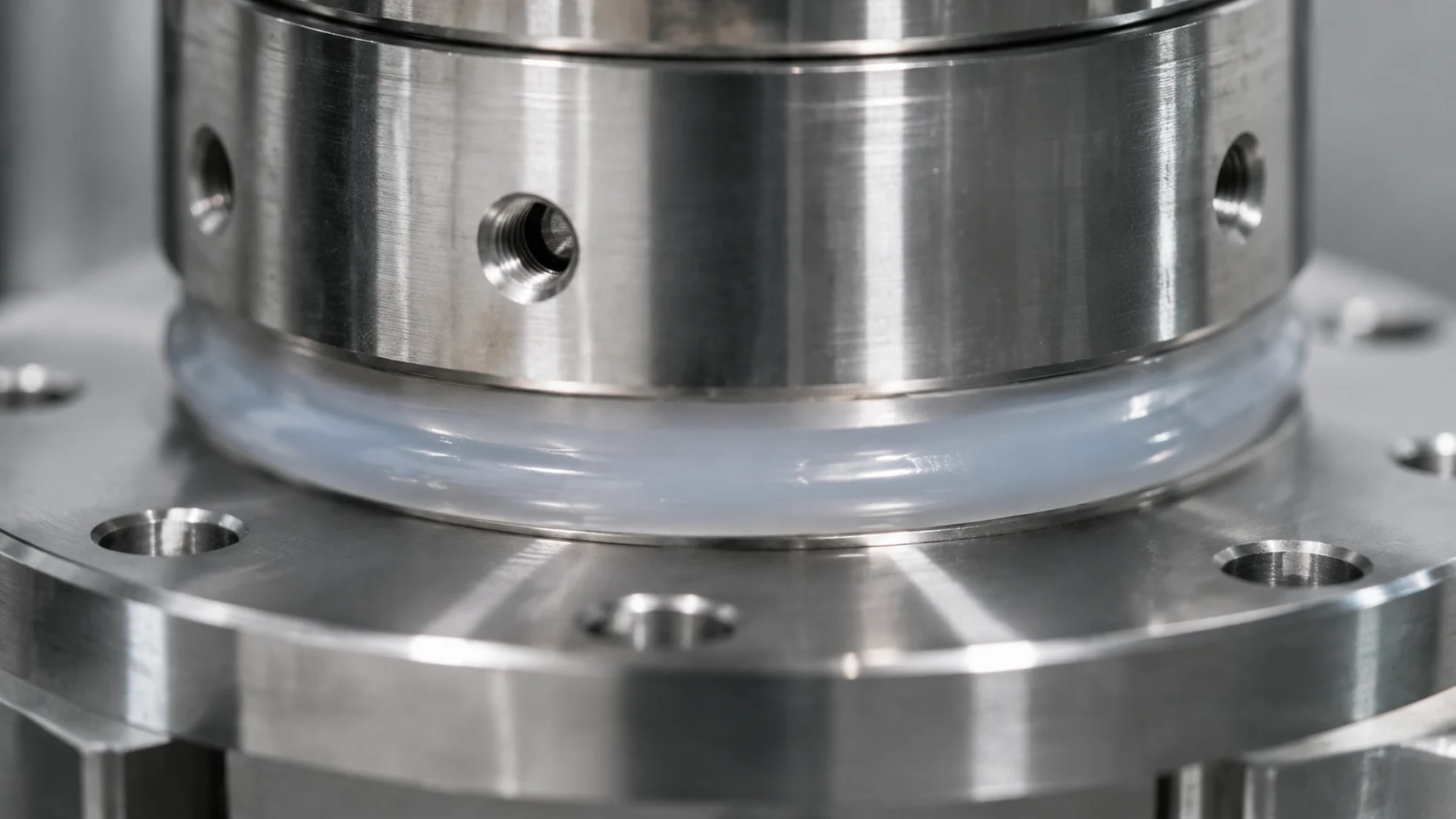
A component that passes an as-molded inspection may behave differently after the intended sterilization cycle or accelerated aging condition. Evaluate the properties that carry the clinical function: dimensions, compression recovery, tear resistance, elongation, seal performance, surface condition, and any relevant extractables or leachables assessment defined by the device program.
Do not choose a test only because it is convenient. The test fixture should reproduce the way the part is assembled and loaded. If the product is compressed inside a housing, test it in that housing. If it is stretched over a feature, include the stretch and release sequence. The result should help answer whether the part remains safe and functional throughout its stated life.
Build traceability from incoming material to release
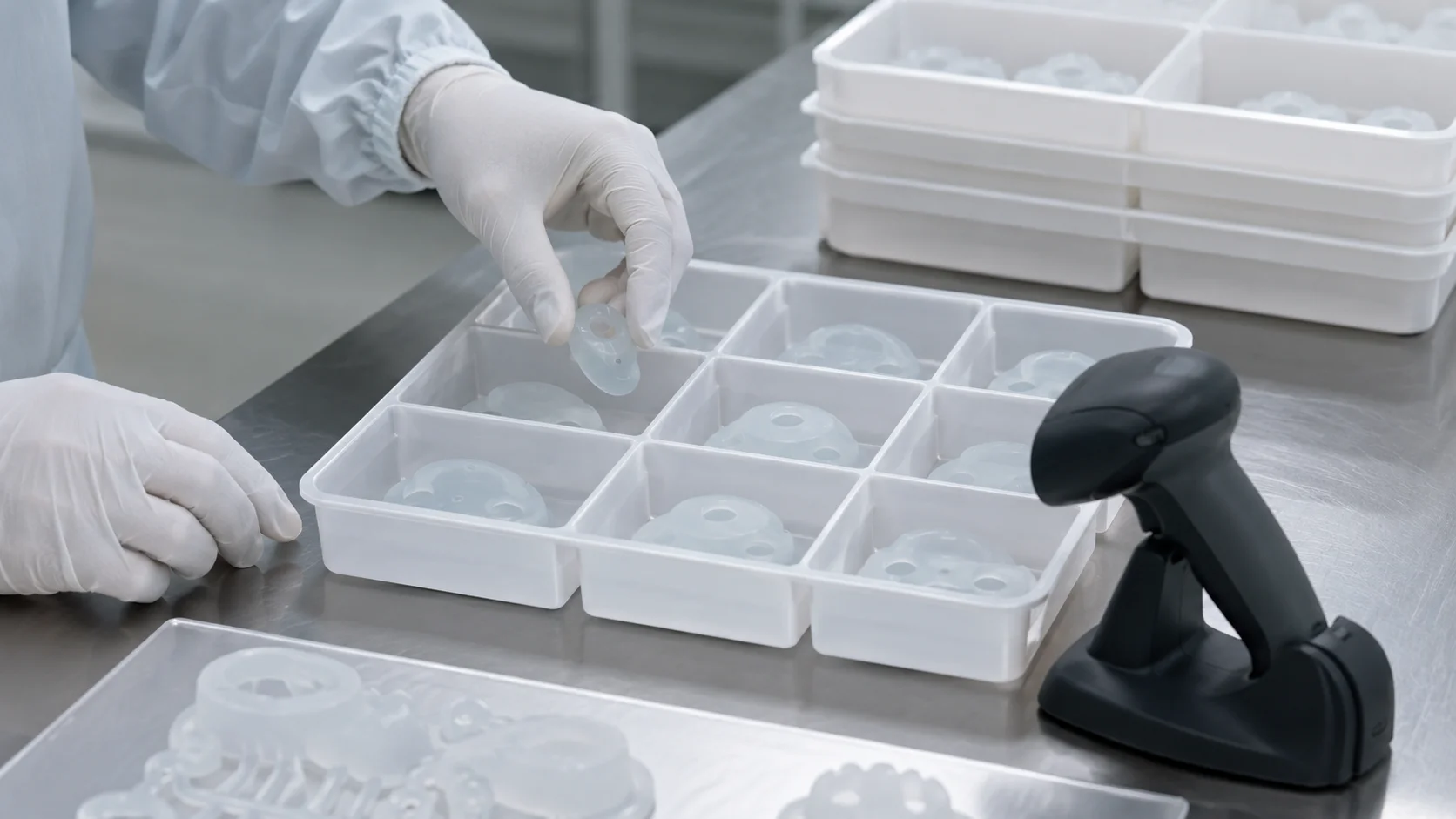
A controlled implant-related project needs a chain of identity: material lot, mold or cavity, process setup, operator or automated cell, inspection record, packaging lot, and disposition decision. The quality-control page is a useful internal reference for organizing inspection gates, while the project specification should define the actual sampling and acceptance requirements.
A practical release checklist includes:
- Approved material and supplier documentation matched to the device design.
- Validated metering, mixing, mold-temperature, and cure controls.
- Defined visual limits for flash, particles, bubbles, knit lines, and surface damage.
- Functional testing after the relevant post-treatment and sterilization exposure.
- Complete lot and cavity traceability with controlled change management.
The safest conclusion is also the most useful one: LSR can be a strong candidate for implant-related components, but suitability must be demonstrated for the exact grade, process, geometry, and clinical use. Treat the material claim, tooling plan, process validation, and finished-part evidence as connected workstreams, and involve the device owner’s regulatory and clinical experts before production release.